
Why Adaptive Trainers Don’t Have to Look “Medical” Anymore

For decades, adaptive trainers had a reputation for being clunky, clinical and “medical-looking.” They often sacrificed style for function, leaving people with mobility challenges feeling as though they had to choose between supportive footwear and something they actually enjoyed wearing.
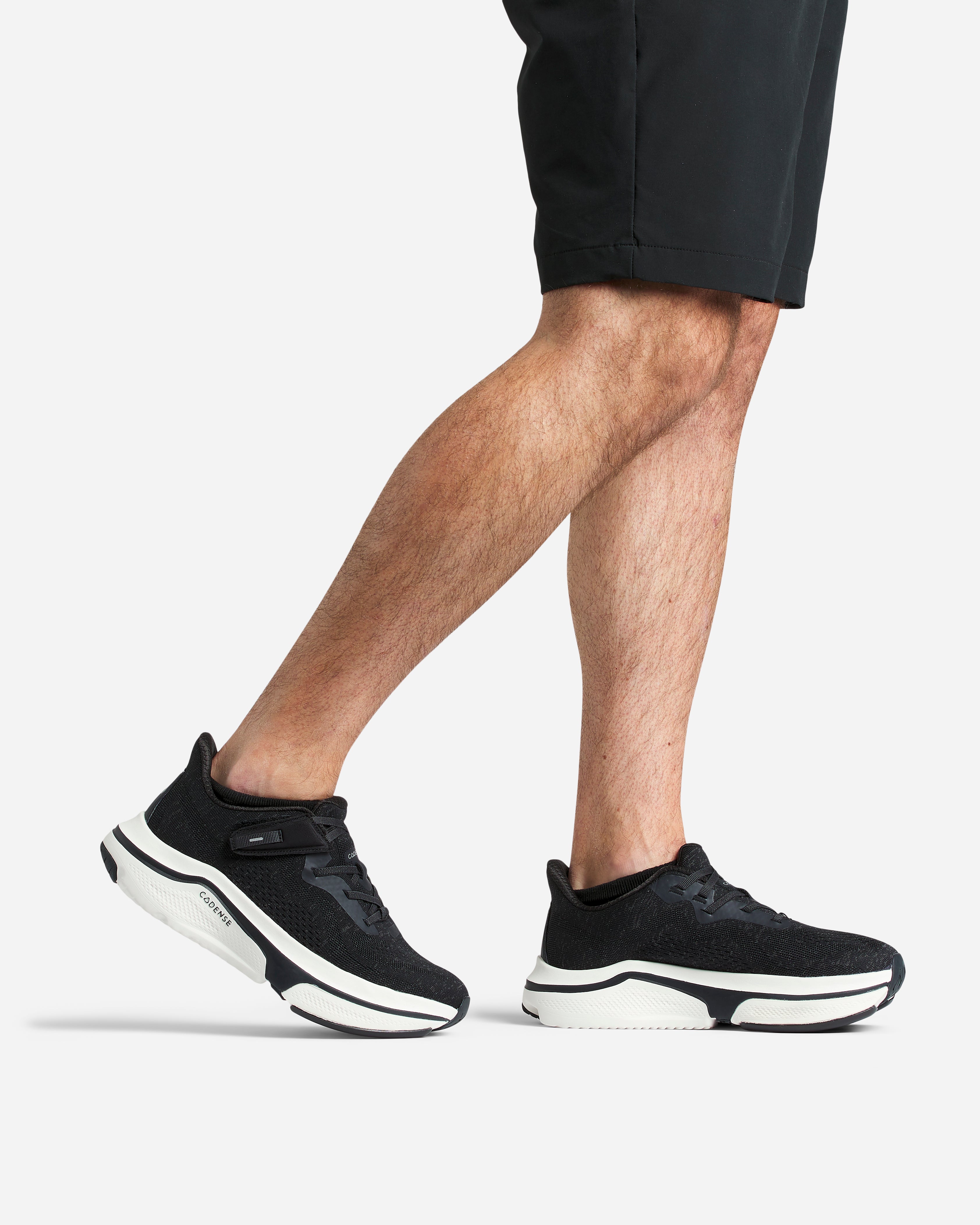
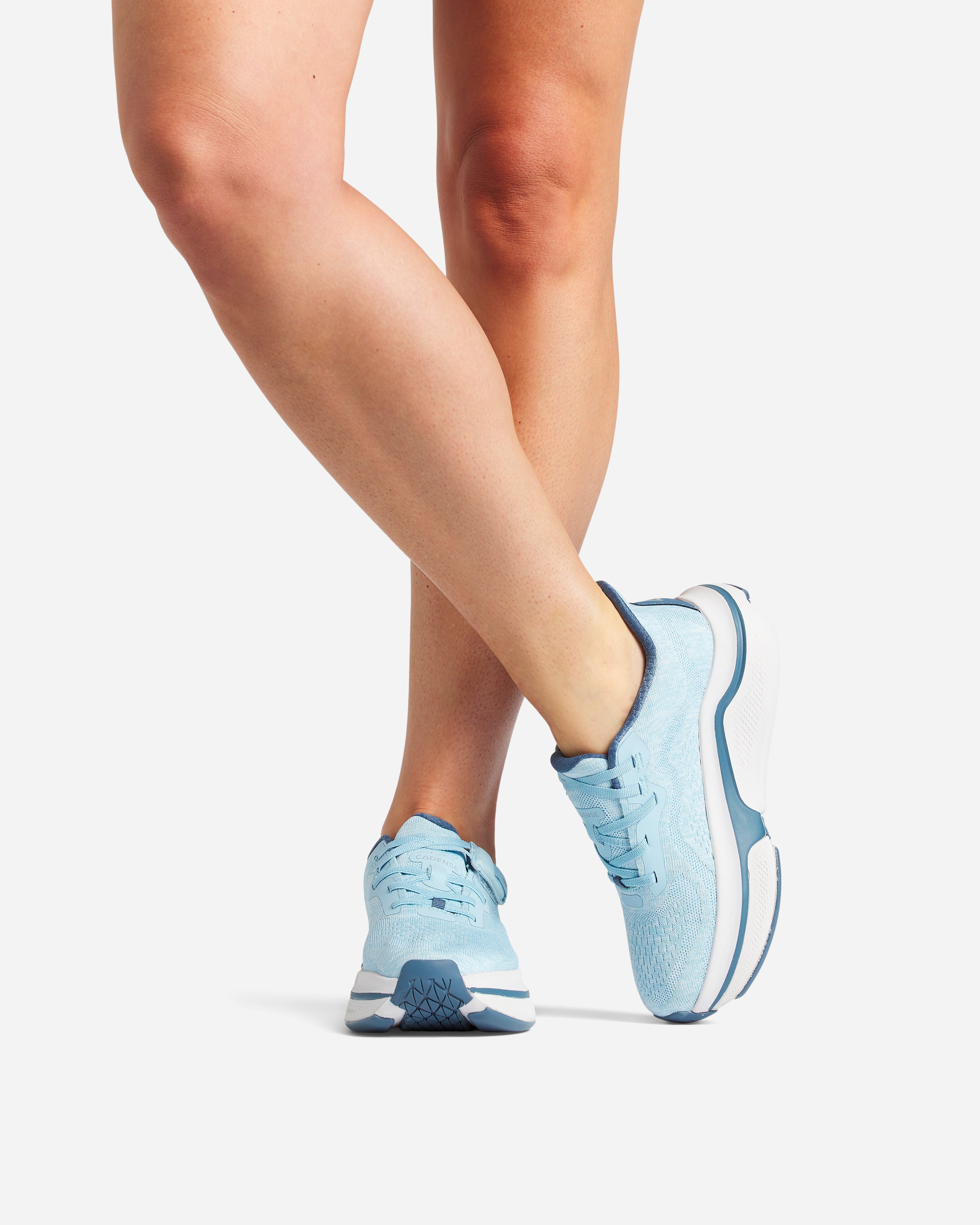
But times have changed. Thanks to advances in design, materials and technology, adaptive trainers today don’t just meet medical needs — they also look modern, stylish and versatile.
In this guide, we’ll explore how adaptive trainers have evolved, what makes them different, and why you no longer have to compromise on appearance for function.
A Brief History: Why Adaptive Trainers Once Looked So “Medical”
Traditional adaptive footwear was created with one priority — functionality. Designs had to allow room for orthotics, braces or swelling, resulting in thick soles, oversized silhouettes and heavy Velcro straps. Colour and style options were extremely limited, often restricted to beige or black.
For many wearers, these designs felt more like medical devices than everyday trainers. This created an unnecessary stigma — people didn’t want to wear them in public, and some even avoided adaptive trainers altogether despite the clear comfort and mobility benefits.
The Modern Shift: Style Meets Function
Today’s adaptive trainers tell a completely different story. Brands have recognised that people deserve footwear that not only supports their mobility but also suits their personal style.
Modern adaptive trainers now feature:
-
Sleeker profiles: Streamlined silhouettes that look just like mainstream lifestyle or walking trainers.
-
Colour variety: A broad palette beyond beige and black — from classic neutrals to contemporary tones.
-
Premium materials: Soft leathers, breathable knits and performance meshes that deliver comfort with polish.
-
Discreet closures: Hidden zips, subtle Velcro and stretch panels that provide easy access without drawing attention.
These thoughtful updates mean adaptive trainers now blend effortlessly into everyday wardrobes — perfect for work, weekends or a walk in the park.
Function Still Matters: What Makes Adaptive Trainers Unique
While the look has evolved, the purpose behind adaptive trainers hasn’t changed — they’re still built to make movement easier, safer and more comfortable.
Here are some of the features that make adaptive trainers different from standard footwear:
-
Extra depth and width: Designed to accommodate swelling, orthotics or AFO braces.
-
Easy entry: Wide openings and zip-front designs simplify getting trainers on and off.
-
Non-slip soles: Help reduce the risk of slips and trips on various surfaces.
-
Lightweight construction: Reduces fatigue and supports longer wear.
-
Supportive footbeds: Cushioning and stability protect joints while improving posture.
What’s changed is how seamlessly these supportive features fit within sleek, modern designs.
Real-World Example: Trainers That Don’t Look Medical
Imagine an older adult living with foot drop who needs space for an AFO brace but still wants something stylish. In the past, the only option might have been a bulky orthopaedic shoe. Today, they could choose a pair of sleek adaptive trainers with discreet side zips, a wide toe box and Cadense’s Variable Friction Technology for stability — all while looking just like everyday trainers.
Or think of someone with multiple sclerosis who experiences swelling throughout the day. Instead of being limited to stiff, clinical designs, they can wear adaptive slip-on trainers made with flexible, breathable materials that adjust to their needs without losing shape.

The Confidence Factor: Why Style Matters
Footwear is more than just functional — it’s emotional. Wearing trainers that look overly medical can make people feel self-conscious or “different.” But when adaptive trainers look stylish and feel great, they help people feel more like themselves again.
That confidence translates into real benefits:
-
Encouraging more movement and daily activity.
-
Supporting participation in social outings and family events.
-
Promoting independence and dignity.
When you no longer have to choose between comfort and confidence, you’re more likely to wear your trainers consistently — improving safety, posture and overall wellbeing.
How to Choose Adaptive Trainers That Look and Feel Great
If you’re exploring adaptive trainers for yourself or a loved one, here are a few tips to find the perfect balance of form and function:
-
Opt for neutral, everyday styles: Choose trainers that work with your existing wardrobe — from casual to smart-casual.
-
Focus on closures: Side zips, stretch panels or low-profile Velcro fastenings make them easy to manage without looking clinical.
-
Prioritise materials: Lightweight knits and breathable mesh offer flexibility and a modern look.
-
Check for stability: Non-slip soles and firm heel counters can help support balance discreetly.
-
Always choose comfort: Style should never come at the expense of ease or support — both matter equally.
Discover Cadense Adaptive Trainers
Adaptive trainers have come a long way from the days of heavy, medical-looking designs. They now bring together the best of both worlds — supportive features that enhance mobility and stylish looks that fit effortlessly into everyday life.
You no longer have to sacrifice appearance for function. Today’s adaptive trainers empower you to move confidently, comfortably and with complete peace of mind.
Explore Cadense UK to discover adaptive trainers designed with both comfort and style in mind — because supportive footwear should look as good as it feels.