Are There Special Trainers for Drop Foot That Work With Braces and Therapy?
Living with drop foot can make walking a very difficult experience. Lifting the front of the foot may be hard, and you might notice your toes catching on uneven surfaces, fatigue when walking longer distances, or hesitancy when moving around your home or outside. These challenges are not just inconvenient — they can affect independence and confidence.
Footwear plays a crucial role in managing drop foot safely. The right trainers support balance, comfort, and daily mobility, and Cadense adaptive trainers are designed with these exact needs in mind.
Why Do People With Drop Foot Need Special Trainers?
Drop foot changes the mechanics of walking, which increases the risk of trips, slips, and falls. Traditional trainers often do not provide the flexibility, support, or room needed to accommodate an altered gait or assistive devices.
Common challenges caused by inadequate footwear include:
-
Increased toe drag that catches on rugs or thresholds
-
Reduced balance due to narrow or rigid trainer structures
-
Pressure points or discomfort from unsupportive trainers
-
Fatigue from overcompensating with muscles and joints
Special trainers for drop foot are designed to address these issues, providing both comfort and practical support for safer movement.
How Do Trainers Work With Braces and Therapy for Drop Foot?
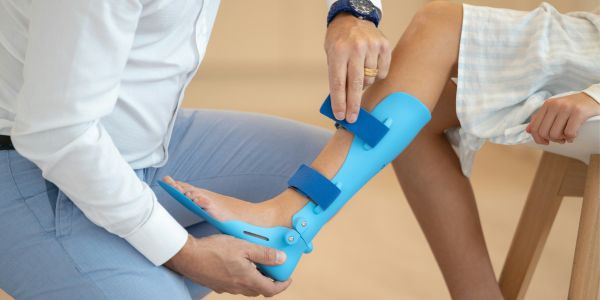
Drop foot is often managed with physical therapy, braces, or AFOs. However, not all trainers are compatible with these interventions. Special trainers for drop foot ensure that supportive devices and therapy strategies are effective.
These trainers:
-
Accommodate AFOs and braces — Cadense trainers are designed with enough width and structure to comfortably fit orthotics or braces
-
Enhance therapy benefits — supportive footwear provides a stable base, making gait exercises and balance training more effective
-
Reduce fatigue — lightweight and flexible soles allow natural movement, helping the foot work with therapy rather than against it
-
Support safer walking — a secure fit and adaptive design improve step control and reduce risk during daily activity
When combined with therapy and braces, trainers specifically designed for drop foot help create a more predictable and controlled walking pattern.
What Features Make Trainers Special for Drop Foot?
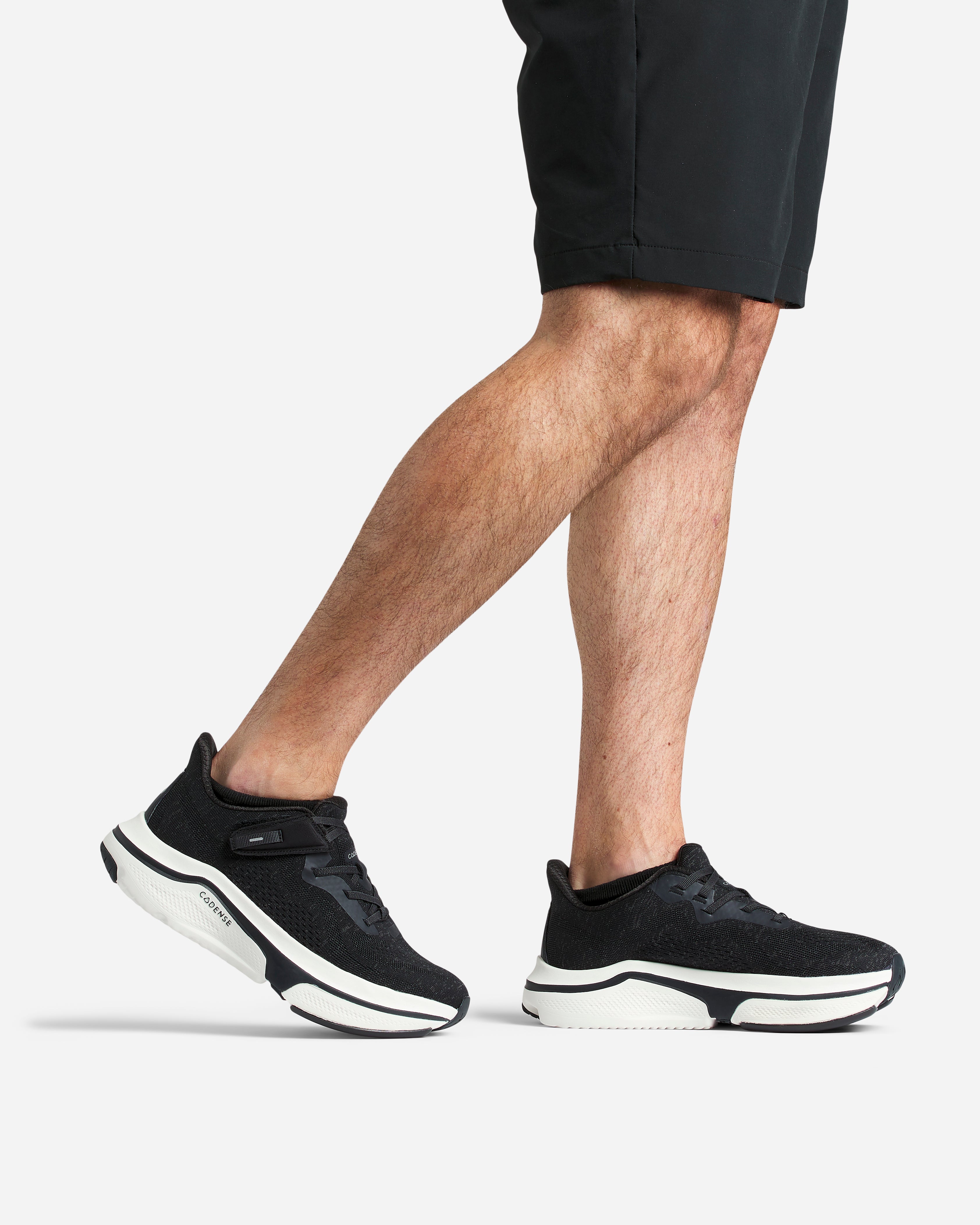
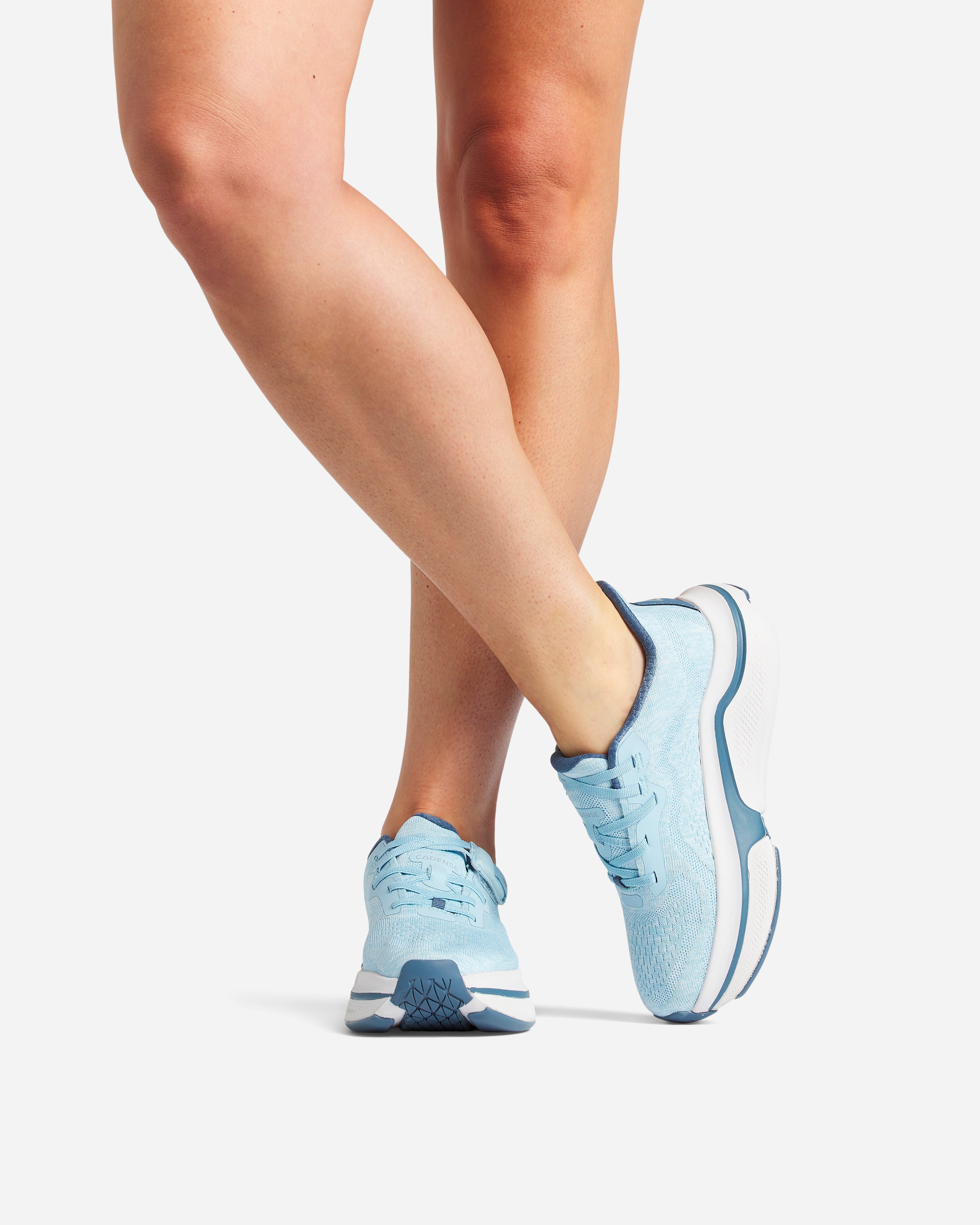
Not all trainers marketed as supportive meet the specific needs of someone with drop foot. Cadense adaptive trainers are engineered with features that directly support mobility:
-
Wide toe box for comfort and stability — gives the toes room to spread naturally, improving balance
-
Lightweight, flexible soles — encourage natural foot movement and reduce fatigue during walking
-
Supportive fit without pressure points — keeps the foot secure whilst accommodating orthotics or braces
-
Patented Variable Friction Technology — supports controlled steps and stability
-
Easy on/off design — simplifies daily wear, supporting independence
These design elements work together to complement therapy, braces, and the natural movement of the foot.
How Do Cadense Trainers Support Daily Walking With Drop Foot?
Daily life with drop foot involves more than just structured therapy sessions — it's about safe movement in your home, at work, and out in the community. Cadense trainers address real-world challenges by:
-
Encouraging proper foot placement with each step
-
Reducing uneven pressure that could affect balance
-
Supporting smooth transitions from heel to toe
-
Providing stable, predictable movement when paired with braces
This combination helps reduce trips, slips, and falls whilst making walking less tiring and more comfortable.

Why Wide Toe Boxes and Flexible Soles Matter for Drop Foot
Traditional trainers may squeeze the forefoot or limit natural flex, which can worsen instability. Special trainers for drop foot, like Cadense, offer:
-
Wide toe boxes — reduce compression, allow natural toe movement, and improve balance
-
Flexible soles — support smooth gait and natural ankle movement, working in tandem with braces
These features help the foot move in a more controlled and predictable way, reducing daily risks associated with drop foot.
Common Mistakes When Choosing Trainers for Drop Foot
Even with adaptive options available, certain missteps can limit the effectiveness of footwear:
-
Choosing trainers that are too narrow or tight, which restricts natural movement
-
Selecting trainers that do not accommodate AFOs or braces
-
Prioritising style over function, sacrificing support or comfort
-
Wearing worn-out trainers that have lost cushioning or stability
Avoiding these mistakes ensures your trainers provide maximum support for both safety and mobility.
Where to Find Cadense Trainers for Drop Foot
Cadense trainers are available online at cadense.co.uk, where you can explore the full adaptive collection. For personalised guidance, certified Cadense Coaches are available to help you:
-
Find the right size and fit for your foot and brace
-
Choose trainers that match your specific mobility needs
-
Ensure comfort and stability for daily walking
Working with a coach ensures you select trainers that genuinely support safer movement and complement your therapy or orthotics.
Make Walking Easier
Special trainers for drop foot are more than just comfort; they support balance, work with braces and therapy, and reduce trips, slips, and falls. Cadense adaptive trainers provide the features needed to make daily walking safer, smoother, and less tiring.
Explore Cadense adaptive trainers for drop foot at cadense.co.uk.