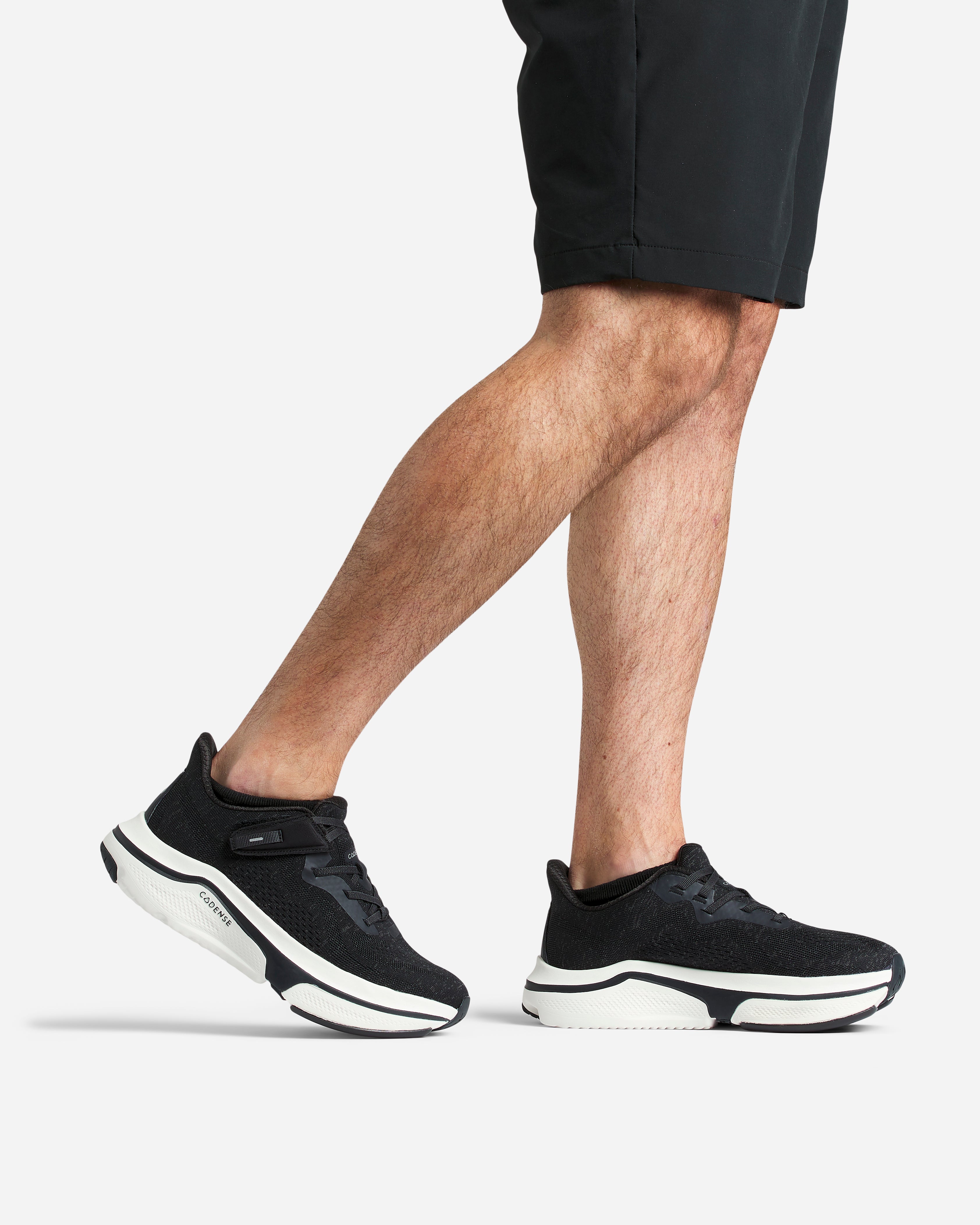


Best Trainers for Physiotherapy Patients Working on Balance Training
Physiotherapists know that balance training is far more than a set of exercises — it’s about creating an environment where patients feel stable, secure and confident. While therapeutic techniques and equipment are essential, footwear is often an overlooked factor that can significantly influence progress. Trainers that lack support, grip or proper fit can make balance work more difficult and increase the risk of slips or setbacks. Conversely, well-designed adaptive trainers can enhance posture, improve stability and provide the solid foundation patients need to succeed.
The Role of Balance Training in Physiotherapy
Balance training is a core component of many physiotherapy programmes — from post-operative rehabilitation following joint replacement, to stroke recovery, to mobility support for conditions such as Parkinson’s disease or multiple sclerosis. These exercises strengthen stabilising muscles, improve coordination and reduce the risk of falls during everyday activities.
As physiotherapists guide patients through these challenges, footwear can either support progress or create unnecessary barriers.
Key Features in the Best Trainers for Balance Training Patients
1. Wide, Stable Base
A trainer with a wider sole provides a steadier platform, reducing wobbling during balance exercises such as single-leg stands, tandem stance or dynamic weight-shifting.
2. Slip-Resistant Outsoles
Grip is essential for safety. Trainers with slip-resistant outsoles minimise the risk of falls on smooth clinic floors or uneven surfaces.
3. Lightweight Construction
Heavy footwear can fatigue patients quickly — particularly those with neurological conditions or reduced muscle strength. Lightweight trainers make movement feel more natural and less tiring.
4. Supportive Uppers and Ankle Stability
For patients dealing with weak ankles or instability, a supportive upper helps secure the foot without restricting natural mobility. This added stability builds confidence during more challenging tasks.
5. Adaptive Fit Features
Many physiotherapy patients experience swelling, wear braces or have limited hand dexterity. Adaptive closures — such as Velcro, elastic systems or easy-access openings — allow for a secure, personalised fit that supports consistency in therapy.

How the Right Trainers Benefit Both Physiotherapists and Patients
Enhanced Safety in Sessions
Slip-resistant outsoles and stable bases help prevent falls, giving physiotherapists peace of mind and patients a safer treatment environment.
Improved Patient Confidence
When patients feel secure in their footwear, they’re more willing to participate fully in balance exercises — often leading to better rehabilitation outcomes.
Better Carryover of Gait Training
Trainers that promote correct posture, weight distribution and natural foot mechanics support the gait retraining work done in the clinic.
Reduced Fatigue and Energy Loss
Lightweight construction and proper cushioning help patients sustain longer sessions and make more efficient progress.
Practical Recommendations for Physiotherapists
When advising patients on the best trainers for balance training, consider this helpful checklist:
-
Ensure the sole provides both stability and flexibility
-
Look for adaptive closures that accommodate swelling or AFOs
-
Prioritise non-slip materials to reduce fall risk
-
Recommend trainers that patients can put on independently, supporting confidence and autonomy
-
Choose footwear that promotes natural gait mechanics
By guiding patients toward trainers with these features, physiotherapists can reinforce clinical gains and support safer movement at home.
The Bigger Picture: Trainers as Part of the Rehabilitation Plan
Footwear should be viewed as an extension of the physiotherapy programme. Just as exercises, mobility aids and home routines are thoughtfully selected, the right trainers can play a vital role in long-term success.
For patients who struggle with balance, the right pair of trainers can be the difference between hesitation and confidence, between risk and resilience.
A Strong Foundation for Better Balance
The best trainers for physiotherapy patients working on balance training are more than simple accessories — they are tools that help physiotherapists maximise outcomes and support patients in regaining mobility.
With features like wide, stable soles, slip-resistant grip, adaptive closures and lightweight comfort, adaptive trainers can transform the rehabilitation experience.
By prioritising footwear, physiotherapists can help patients move with greater confidence, safety and success — both during sessions and in everyday life.
Want to explore adaptive trainers designed to support rehabilitation outcomes? Visit Cadense UK to discover solutions made specifically for physiotherapy patients.
https://cadense.co.uk