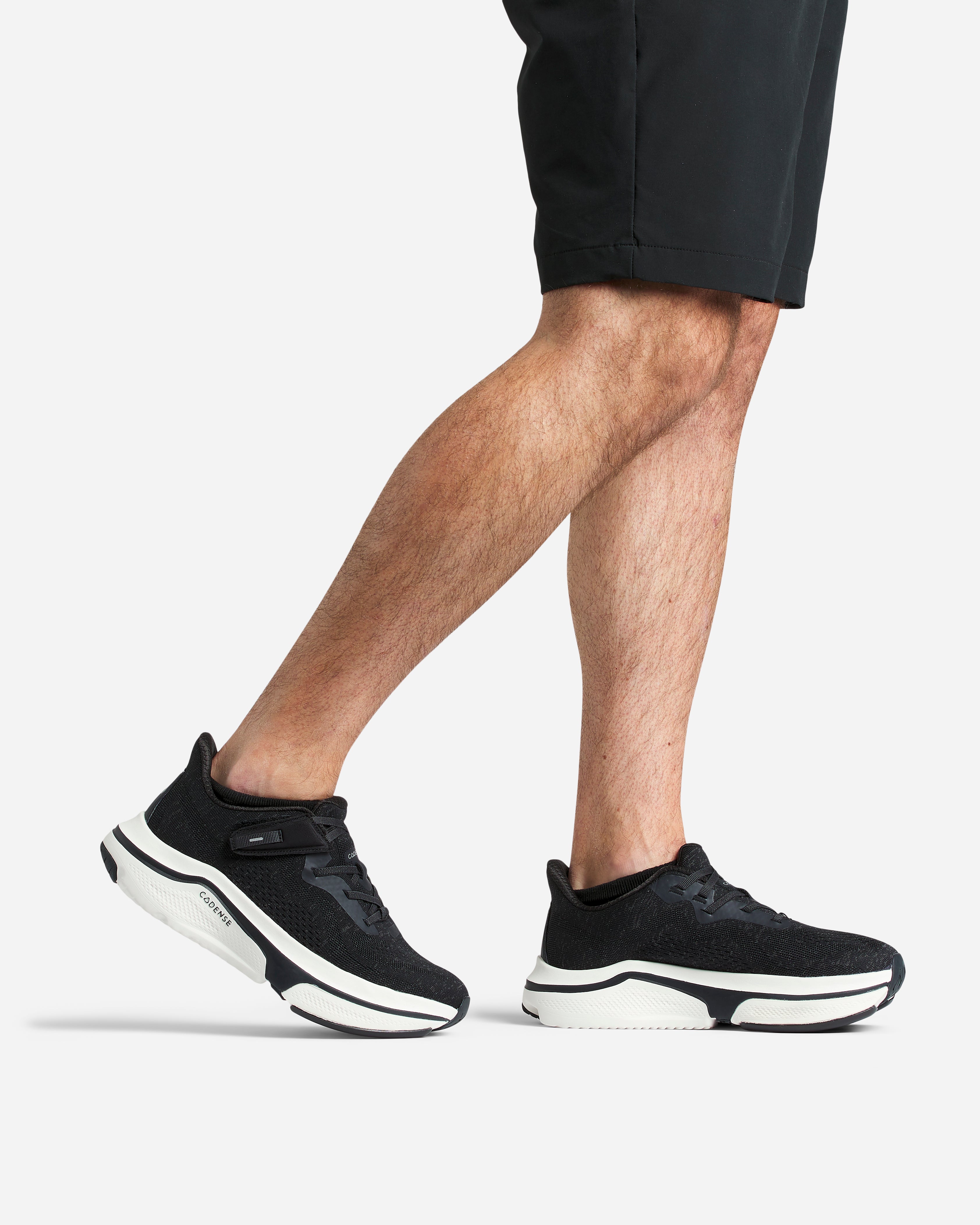


How Adaptive Trainers Can Support Gait Improvement in Physiotherapy Programmes

For physiotherapists, gait improvement isn’t just about teaching someone to walk more efficiently — it’s about helping them regain independence, safety and confidence in everyday movement. Whether a person is recovering from a stroke, living with Parkinson’s disease or managing peripheral neuropathy, gait changes can have a profound impact on quality of life.
Common gait challenges physiotherapists frequently see include:
-
Shuffling steps that reduce stride length and fluidity
-
Foot drop that increases the risk of tripping
-
Postural asymmetry or reduced arm swing affecting balance
-
Fatigue or muscle weakness limiting walking distance
-
Unsteady transitions, especially when turning or moving from sit-to-stand
Therapeutic exercise, balance work and gait retraining form the backbone of rehabilitation — but footwear is often overlooked. Yet trainers are the interface between the client and the ground, and the right design can reinforce the progress achieved during therapy.
How Do Adaptive Trainers Support Gait Retraining?
Unlike standard footwear, adaptive trainers are engineered for people living with neurological, orthopaedic or balance-related mobility challenges. When paired with physiotherapy programmes, they can help clients practise safer, more efficient walking patterns.
Adaptive trainers support gait retraining by:
-
Promoting stability: Wider bases and slip-resistant outsoles reduce the likelihood of slips or trips during therapy.
-
Encouraging proper foot mechanics: Flexible, supportive soles promote smoother heel-to-toe movement.
-
Reducing compensations: Lightweight construction and secure fits minimise the need for awkward or energy-wasting movement patterns.
-
Enhancing confidence: Clients who feel stable are more willing to attempt longer distances or more advanced gait tasks.
Adaptive trainers address both biomechanics and confidence — two essential components of successful gait rehabilitation.
What Features Should Physiotherapists Look For in Adaptive Trainers?
Not all trainers are suitable for clients with gait or balance issues. When recommending footwear, physiotherapists can look for features that directly support gait training objectives.
Key features include:
-
Wide toe box: Allows toes to spread naturally for improved stability.
-
Lightweight construction: Reduces fatigue, helping clients walk for longer during sessions.
-
Flexible yet supportive sole: Encourages smooth transitions throughout the gait cycle.
-
Non-slip outsoles: Minimise accidents and create a safer training environment.
-
Easy on/off design: Supports independence for clients with limited hand dexterity.
-
Adjustable fit: Accommodates swelling, orthotics or AFOs while maintaining stability.
The right trainers can significantly enhance carryover from clinic-based practice to daily life.
How Adaptive Trainers Help With Neurological Gait Challenges
Many gait abnormalities originate from neurological conditions — and adaptive trainers can make therapy both safer and more effective.
Examples include:
-
Parkinson’s disease: Adaptive trainers support stride length, reduce shuffling and improve stability.
-
Multiple sclerosis (MS): Lightweight trainers reduce fatigue, helping clients conserve energy during walking practice.
-
Peripheral neuropathy: Cushioned, supportive designs improve proprioception and protect sensitive nerves.
-
Foot drop: Trainers that work comfortably with or without AFOs help clients maintain ground clearance.
Real-world example:
A physiotherapist working with a client with MS may focus on endurance and gait efficiency. Heavy or stiff trainers would drain energy quickly, but adaptive trainers allow the client to prioritise stride quality, posture and stamina.

How Adaptive Trainers Extend Gait Training Beyond the Clinic
A major challenge in physiotherapy is ensuring progress continues outside the clinic. Adaptive trainers help bridge that gap by providing stable, confidence-boosting support throughout daily activities.
With trainers that encourage proper mechanics, clients are more likely to:
-
Continue walking programmes at home
-
Safely navigate curbs, grass or uneven surfaces
-
Maintain momentum between appointments
-
Reduce setbacks caused by slips, fatigue or instability
For physiotherapists, this means better long-term outcomes and greater adherence to treatment plans.
How Do Adaptive Trainers Fit Into a Physiotherapist’s Care Plan?
Adaptive trainers are not a replacement for skilled physiotherapy — but they are a valuable complement. Incorporating footwear discussions into care plans creates a more holistic approach to mobility.
Consider including adaptive trainer recommendations in:
-
Initial assessments: Identify whether current footwear is limiting progress.
-
Home exercise programmes: Encourage clients to wear adaptive trainers during balance or gait practice.
-
Discharge planning: Recommend trainers that support long-term mobility and independence.
Adaptive trainers extend the benefits of physiotherapy long after the session is over.
Why Physiotherapists Should Consider Adaptive Trainers for Gait Improvement
For physiotherapists, every intervention that supports balance, stability and independence is invaluable. Adaptive trainers are more than footwear — they are a practical extension of the therapy process, helping clients feel safer, more capable and more confident during gait work.
By integrating adaptive trainers into treatment strategies, physiotherapists can enhance clinical outcomes and improve clients’ quality of life.
Explore Cadense UK to learn how adaptive trainers can support your clients’ gait improvement goals.