

Early Signs of Foot Drop You Shouldn’t Ignore if Walking Feels Unsteady
If lifting the front of your foot has started to feel more difficult than it used to, it’s worth paying attention. Many people notice subtle changes in the way they walk long before foot drop becomes obvious. Walking may begin to feel less steady, more tiring, or slightly awkward — even over short distances.
You might find yourself catching your toes more often, slowing down without realising, or feeling less confident on uneven surfaces. These early changes are easy to dismiss, but recognising them early can help you stay safer and more mobile.
What Are the Early Signs of Foot Drop?
Foot drop happens when the muscles that lift the front of the foot weaken, or when the nerves controlling them are affected. In the early stages, symptoms often develop gradually and can be mistaken for general tiredness or ageing.
Common early signs include:
-
Toes catching the ground when walking
-
Difficulty lifting the front of the foot during each step
-
A “slapping” sound as the foot lands
-
Walking that feels heavier or less coordinated
-
Mild toe drag on carpets or uneven ground
-
Feeling unsteady when stepping over door thresholds or kerbs
-
Fatigue setting in more quickly on stairs or longer walks
These signs don’t always mean foot drop has fully developed, but they can suggest that foot-lifting strength or control is changing.
Why Do Early Foot Drop Symptoms Make Walking Feel Unsteady?
When the foot doesn’t lift properly, the body naturally starts to compensate. Over time, this can make walking feel less smooth and more effortful.
You may notice:
-
Taking higher steps to avoid dragging the toes
-
Shorter, more cautious strides
-
Extra strain through the hips or lower back
-
A greater risk of trips, slips, or near-falls
Even small obstacles — like the edge of a rug or uneven pavement — can suddenly feel more challenging. This is why stability and support become increasingly important.
What Can Cause Early Foot Drop Symptoms?
Early foot drop symptoms are often linked to changes in nerves, muscles, or joint movement. Common underlying causes include:
-
Nerve compression in the lower leg or lower back
-
Neuropathy, including diabetic neuropathy
-
Muscle weakness following injury, illness, or reduced activity
-
Neurological conditions such as multiple sclerosis or stroke
-
Stiffness in the ankle or surrounding joints
If symptoms appear suddenly or worsen quickly, it’s important to speak with a healthcare professional or physiotherapist for assessment.

How Can Supportive Trainers Help When Early Foot Drop Appears?
While trainers can’t treat the underlying cause of foot drop, the right design can make walking feel safer and more controlled as early symptoms appear.
Supportive adaptive trainers can help by offering:
-
A wider toe box to improve balance and allow natural toe movement
-
Lightweight, flexible soles that make foot lift easier
-
A secure, supportive fit to reduce wobbling
-
Outsoles designed to improve grip across different surfaces
-
Easy on-and-off designs for days when movement feels tiring
These features help reduce effort with each step and lower the risk of catching the toes.
How Do Cadense Adaptive Trainers Support Early Foot Drop?
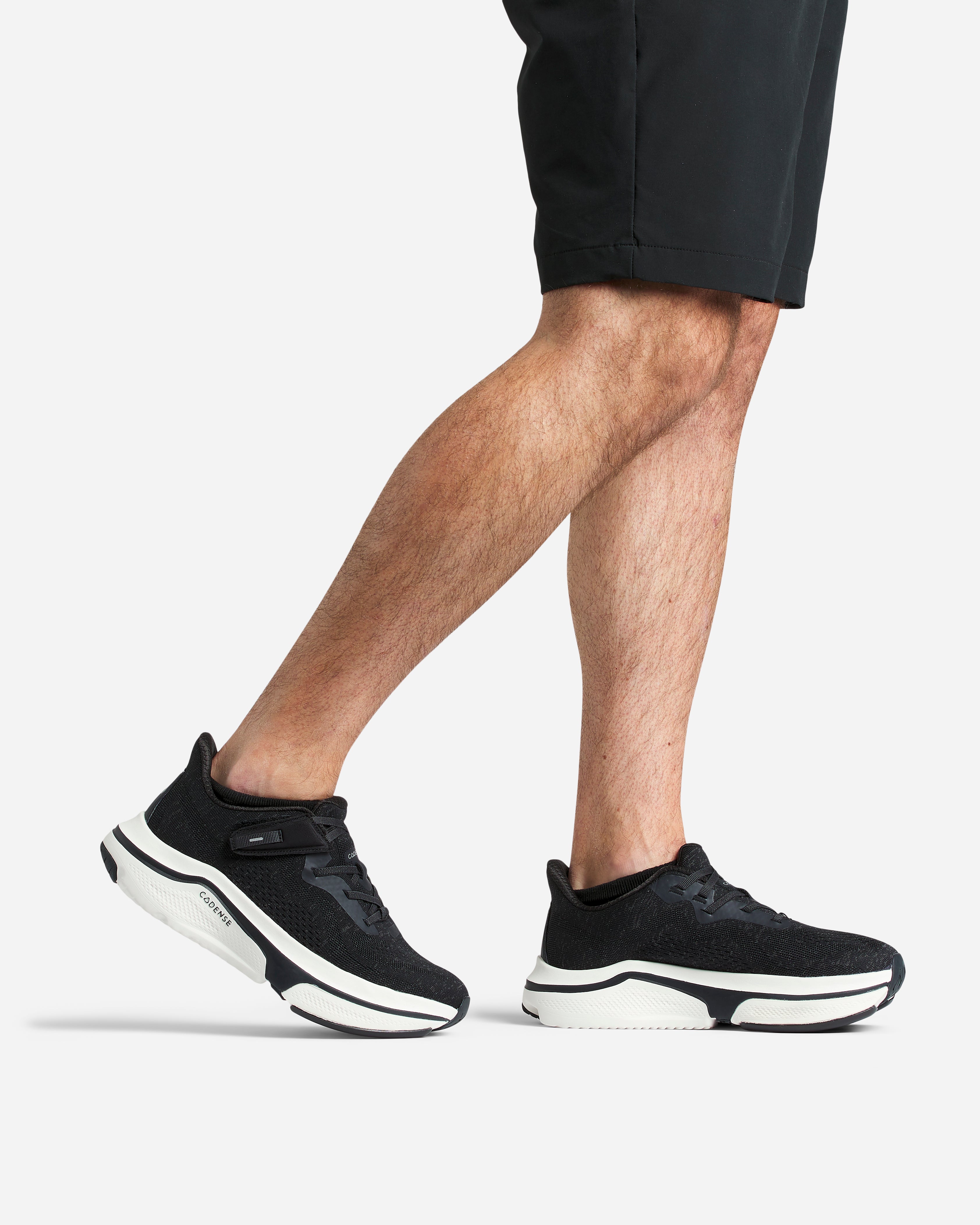
Cadense adaptive trainers are designed for people experiencing mobility changes — including those noticing the early signs of foot drop. Rather than focusing on appearance alone, Cadense prioritises walking mechanics and everyday stability.
Cadense trainers include:
-
A wide toe box to reduce pressure and improve balance
-
Lightweight, flexible soles that support natural movement
-
Patented Variable Friction Technology to help maintain traction
-
Supportive cushioning to reduce strain and pressure points
-
Easy-entry design to minimise stress on the ankle and lower leg
Together, these features help walking feel more controlled and less tiring.
What Should You Do If You Notice Early Foot Drop Symptoms?
If walking has started to feel different, acting early can help protect your confidence and independence.
Helpful next steps may include:
-
Speaking with your GP or a physiotherapist
-
Practising gentle ankle and foot mobility exercises
-
Choosing trainers designed for stability and natural movement
-
Noticing how often your toes catch or drag during the day
Small adjustments can make a meaningful difference over time.
Explore Cadense Adaptive Trainers for Supportive Walking
If you’re noticing early signs of foot drop, supportive trainers can help you stay steady and confident on your feet. Cadense adaptive trainers are designed around real mobility needs — with wider toe boxes, flexible soles, and stability-focused construction to support everyday walking.
Explore Cadense adaptive trainers at
https://cadense.co.uk/