
Foot Drop Trainers vs Regular Trainers: What's the Difference?
If you or someone you love is living with foot drop, you already know that walking can feel unpredictable. A simple misstep can turn into a trip. Stairs may feel intimidating. Even short walks can require extra focus.
Many people wonder whether regular trainers are enough or if specialised foot drop trainers actually make a difference. The truth is that footwear plays a much bigger role in safety and stability than most people realise.
Let's break down exactly how foot drop trainers differ from standard footwear and why those differences matter.
TL;DR
-
Foot drop makes it difficult to lift the front of the foot, increasing the risk of trips and falls
-
Regular trainers are designed for general comfort and are rarely built to accommodate braces or orthotics
-
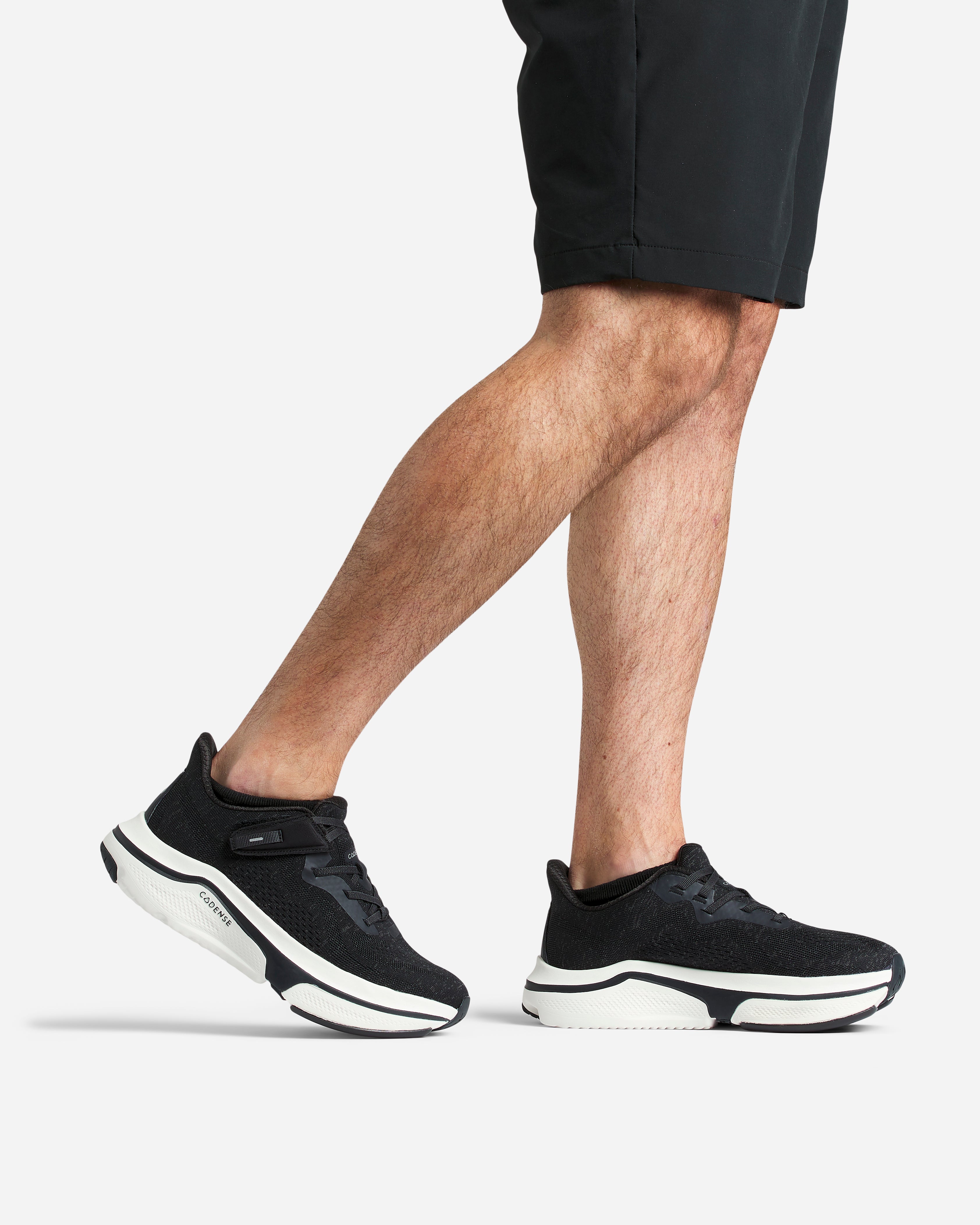
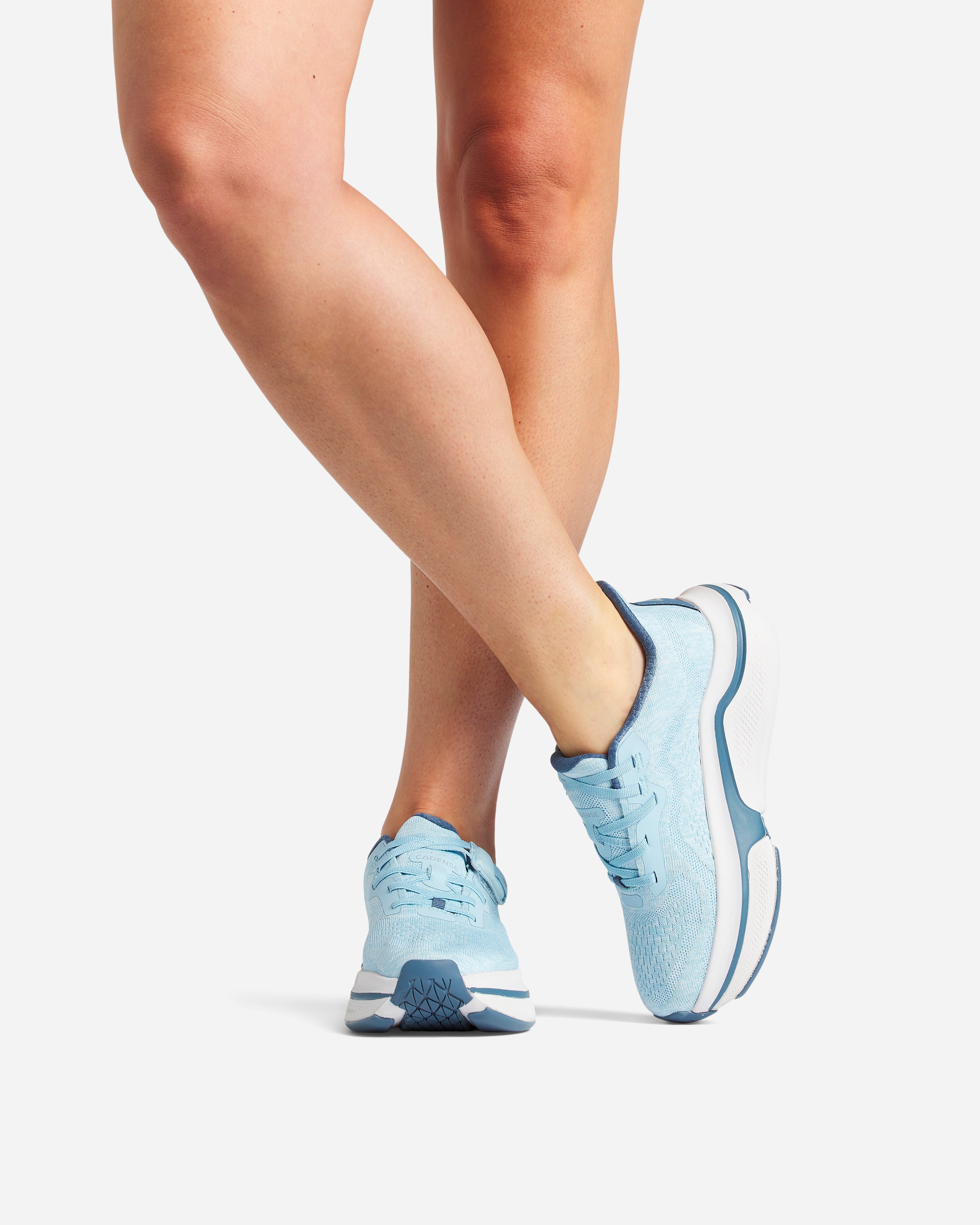
Foot drop trainers offer extra depth, wider openings, stable soles, and reinforced heel support
-
The right trainer improves balance, reduces fatigue, and works alongside braces and therapy
-
Trying trainers on with your brace or orthotic in place is essential before purchasing
What Is Foot Drop and Why Does Footwear Matter?
Foot drop is a condition that makes it difficult to lift the front part of the foot. This can cause the toes to drag whilst walking, increasing the risk of trips and falls.
Because the foot does not clear the ground normally, proper support becomes essential. Trainers are not just about comfort in this case — they directly affect balance, alignment, and overall walking safety.
Regular trainers are typically designed for general comfort or style. Foot drop trainers are built with stability and accessibility in mind.
How Are Foot Drop Trainers Designed Differently?
The biggest difference lies in structure and function. Foot drop trainers are created to support mobility challenges, not just everyday wear.
Here's how they stand apart:
1. Extra Depth and Interior Space
Foot drop trainers are often deeper than standard trainers. This added space allows room for:
-
Ankle-foot orthoses (AFOs)
-
Custom orthotics
-
Swelling or sensitive areas
Regular trainers rarely provide enough depth to comfortably fit braces. Trying to squeeze a brace into a standard trainer can cause pressure points and instability.
2. Wider Openings for Easy On and Off
Many people with foot drop struggle with limited ankle mobility. Traditional trainers with narrow openings can be frustrating.
Foot drop trainers often feature:
-
Wide-opening designs
-
Adaptive closures such as straps
-
Designs that allow the foot to slide in without excessive bending
This makes daily use more practical and reduces strain during dressing.
3. More Stable Soles
Stability is critical when toe clearance is limited. Foot drop trainers typically include:
-
Firm, supportive soles
-
Low, stable heels
-
Slip-resistant outsoles
Regular trainers, especially lightweight or casual styles, may have overly flexible soles. Whilst flexibility can feel comfortable, too much can reduce control for someone with foot drop. A stable sole helps create a smoother, more predictable step.
4. Strong Heel Counters
The heel counter is the back part of the trainer that cups the heel. In foot drop trainers, this area is often reinforced to:
-
Keep the heel aligned
-
Reduce ankle rolling
-
Improve overall balance
Regular trainers may not offer the same level of rearfoot support, especially if they are soft or minimally structured.
5. Compatibility With Braces and Therapy
Many individuals with foot drop use AFOs as part of treatment or rehabilitation. Foot drop trainers are designed to work with:
-
Braces
-
Physical therapy goals
-
Custom inserts
Regular trainers may interfere with proper brace positioning or limit the effectiveness of therapeutic support.

Do Regular Trainers Ever Work for Foot Drop?
In mild cases, some supportive walking trainers may provide enough stability. However, this depends heavily on:
-
The severity of the foot drop
-
Whether a brace is required
-
The person's balance and strength
Trainers that are too flexible, too shallow, or too unstable can increase the risk of:
-
Toe dragging
-
Ankle rolling
-
Fatigue during walking
Even if a regular trainer feels comfortable at first, it may not offer the structured support needed for safe daily movement.
Why Does Stability Make Such a Big Difference?
When the toes struggle to lift, the body compensates. This can lead to:
-
Altered gait patterns
-
Increased hip or knee strain
-
Higher fall risk
Foot drop trainers are designed to reduce these compensations by promoting better alignment and smoother movement. A supportive trainer can:
-
Improve confidence whilst walking
-
Reduce energy expenditure
-
Enhance overall balance
For many people, that added stability translates into greater independence.
What Should You Look for When Choosing Foot Drop Trainers?
If you're comparing options, focus on features that support safety and fit:
-
Deep interior to accommodate braces
-
Firm, stable sole
-
Reinforced heel support
-
Secure closures
-
Proper sizing with no slipping at the heel
Trying trainers on with your brace or orthotic is essential. The right trainer should feel stable without tightness or pressure.
The Bigger Picture: Safety and Confidence
The difference between foot drop trainers and regular trainers is not just technical — it is practical. Specialised footwear is built to address real mobility challenges. It prioritises:
-
Stability over style
-
Accessibility over convenience
-
Safety over trends
That does not mean sacrificing appearance. It means choosing trainers that support the way you move. For someone living with foot drop, that support can reduce anxiety about walking and help restore confidence in daily activities.
Get the Right Pair of Trainers Now
Foot drop changes how the foot moves. Regular trainers are not always designed to support that change. Foot drop trainers, on the other hand, are structured to improve stability, accommodate braces, and reduce the risk of trips and falls.
The right pair can make walking feel safer and more predictable.
Explore Cadense adaptive footwear at cadense.co.uk to find trainers designed to support stability, brace compatibility, and confident daily movement.