

How Physical Therapists Can Identify the Best Trainers for Someone with Multiple Sclerosis

Multiple sclerosis (MS) affects movement, coordination, and balance in ways that challenge both patients and the physical therapists who support them. Because mobility can fluctuate day to day, the right footwear becomes an essential part of maintaining independence and reducing the risk of falls.
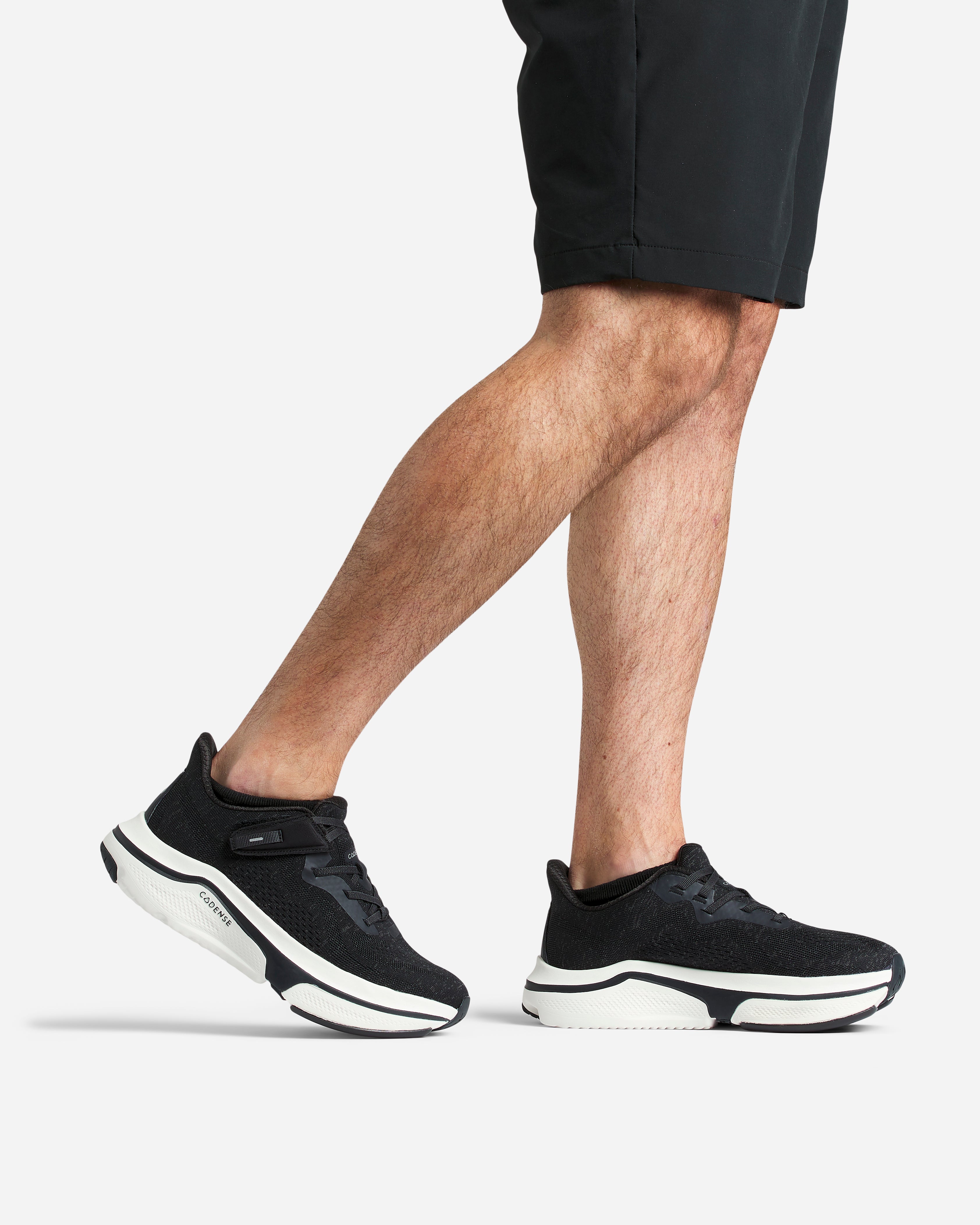
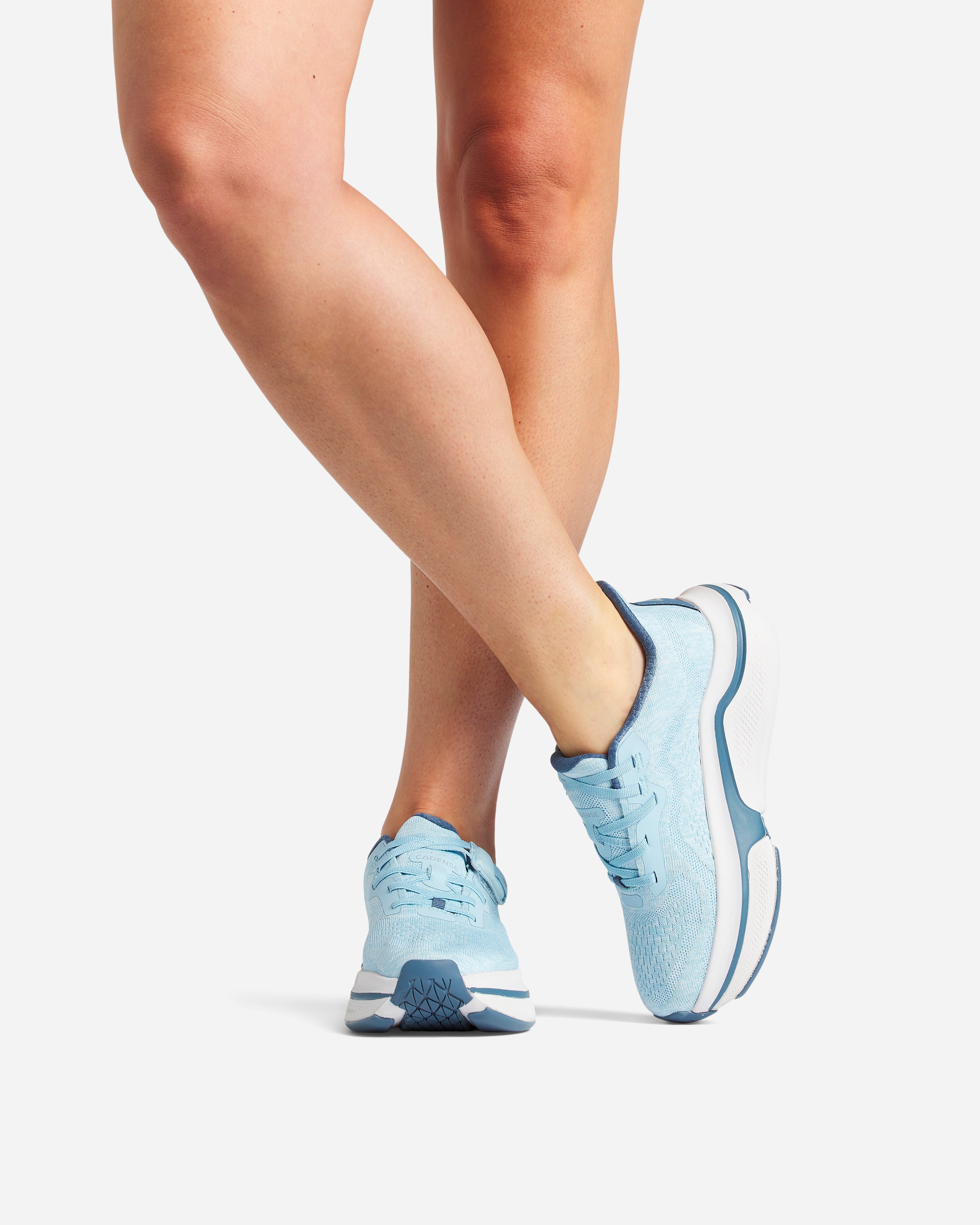
For therapists, identifying the best trainers for someone with multiple sclerosis isn’t just about comfort — it’s about ensuring clients move more safely, efficiently, and confidently. Adaptive footwear, such as Cadense, can bridge the gap between clinical needs and everyday usability, supporting gait rehabilitation well beyond the therapy room.
Understanding the Gait Challenges of MS
MS can affect the nervous system in ways that cause a wide range of gait difficulties, including:
-
Foot drop, making it hard to lift the front of the foot during walking
-
Spasticity, leading to stiffness and uneven movement
-
Fatigue, which may cause dragging, shuffling, or reduced stride length
-
Balance issues, often resulting in instability or cautious steps
Because symptoms can vary from day to day, therapists need footwear that adapts to changing strength, tone, and coordination. Traditional “orthopaedic” trainers tend to be heavy or rigid, which can limit — rather than support — progress. Adaptive trainers, however, provide flexibility, stability, and comfort, all of which are crucial for MS clients working towards mobility goals.
Key Features of the Best Trainers for MS Patients
When recommending trainers for people with multiple sclerosis, therapists should prioritise features that enhance balance, reduce fatigue, and support independence.
Wide, Stable Base
A stable platform reduces the risk of ankle rolling and helps maintain alignment. Cadense trainers use a firm yet flexible base to provide steadiness without restricting movement.
Lightweight Construction
Fatigue is one of the most common and limiting MS symptoms. Lightweight materials help reduce the energy required with every step, making therapy sessions and daily walking more achievable.
Rocker Sole Design
A subtle rocker sole encourages smoother heel-to-toe transitions and can help compensate for foot drop or uneven stride mechanics.
Easy On/Off Closures
Fine motor changes are common in MS. Adaptive closure systems — such as side zips, elastic panels, or single-pull fasteners — promote independence and reduce frustration.
Customisable Fit
Swelling or variations in muscle tone can alter foot shape throughout the day. Adjustable uppers and removable insoles help maintain comfort and security.
How Adaptive Trainers Support Gait Training
Adaptive trainers can act as an extension of therapy by reinforcing correct gait patterns and boosting client confidence during rehabilitation.
They support progress by:
-
Improving proprioception: Supportive, responsive soles help clients better sense ground contact.
-
Reducing compensations: Proper alignment lowers the need for exaggerated hip lifts or high-stepping to clear the ground.
-
Enhancing endurance: Lightweight, cushioned designs allow patients to walk further with less fatigue.
-
Supporting consistency: When clients wear the same trainers outside therapy, progress made in clinic sessions carries over into everyday life.
From Clinical Needs to Real-Life Usability
A key challenge for physical therapists is finding footwear that meets clinical criteria and that patients will actually wear. Many supportive trainers look overly medical or bulky, which can put clients off.
Cadense trainers solve this gap by blending therapeutic features with a modern, everyday aesthetic. Patients can wear them at home, in therapy, or out in the community without feeling self-conscious — increasing compliance and long-term benefit.
Encouraging patients to choose footwear that supports both dignity and independence can drastically improve follow-through.

How Cadense Trainers Help People with MS
Cadense trainers are designed around three principles essential for MS mobility:
Flexible Stability
Dual-density soles stabilise the foot while still allowing natural movement.
Adaptive Comfort
Stretchable uppers accommodate swelling, stiffness, or brace use throughout the day.
Slip-Resistant Outsoles
Reliable traction helps reduce falls for those experiencing balance or sensory challenges.
Effortless Entry
Hands-free or minimal-effort entry designs support clients with dexterity limitations.
Therapists report that Cadense trainers help patients walk with greater ease and confidence — especially in gait and balance-focused programmes.
Bridging the Gap Between Footwear and Function
For physical therapists, recommending the best trainers for someone with multiple sclerosis can mean the difference between progress and plateau. Trainers that work with the body — instead of against it — help patients focus on controlled movement rather than compensation.
By integrating adaptive footwear into your recommendations, you provide clients with an everyday tool that reinforces your work, combining clinical function, comfort, and dignity.
Support Your Patients Beyond the Clinic
Footwear may seem like a small part of a complex condition like MS, but for therapists it’s a vital component in supporting balance, safety, and independence. When patients wear trainers that reinforce stable movement, they’re far better equipped to bring clinic progress into daily life.
Adaptive trainers like Cadense empower people with MS to move with greater confidence and improved safety — helping you achieve more meaningful therapeutic outcomes.
Explore Cadense UK for adaptive trainers that support gait, balance, and mobility programmes:
https://cadense.co.uk

%20affects%20movement,%20coordination,%20and%20balance%20in%20ways%20that%20challenge%20both%20patients%20and%20the%20physical%20therapists%20who%20support%20them.%20Because%20mobility%20can%20fluctuate%20day%20to%20day,%20th...)