
How to Choose Good Trainers for Seniors to Improve Balance and Stability
TL;DR
-
Seniors face higher risks of slips, trips, and falls due to changes in strength, balance, and foot structure
-
Good trainers for seniors prioritise stability, traction, and proper alignment over style
-
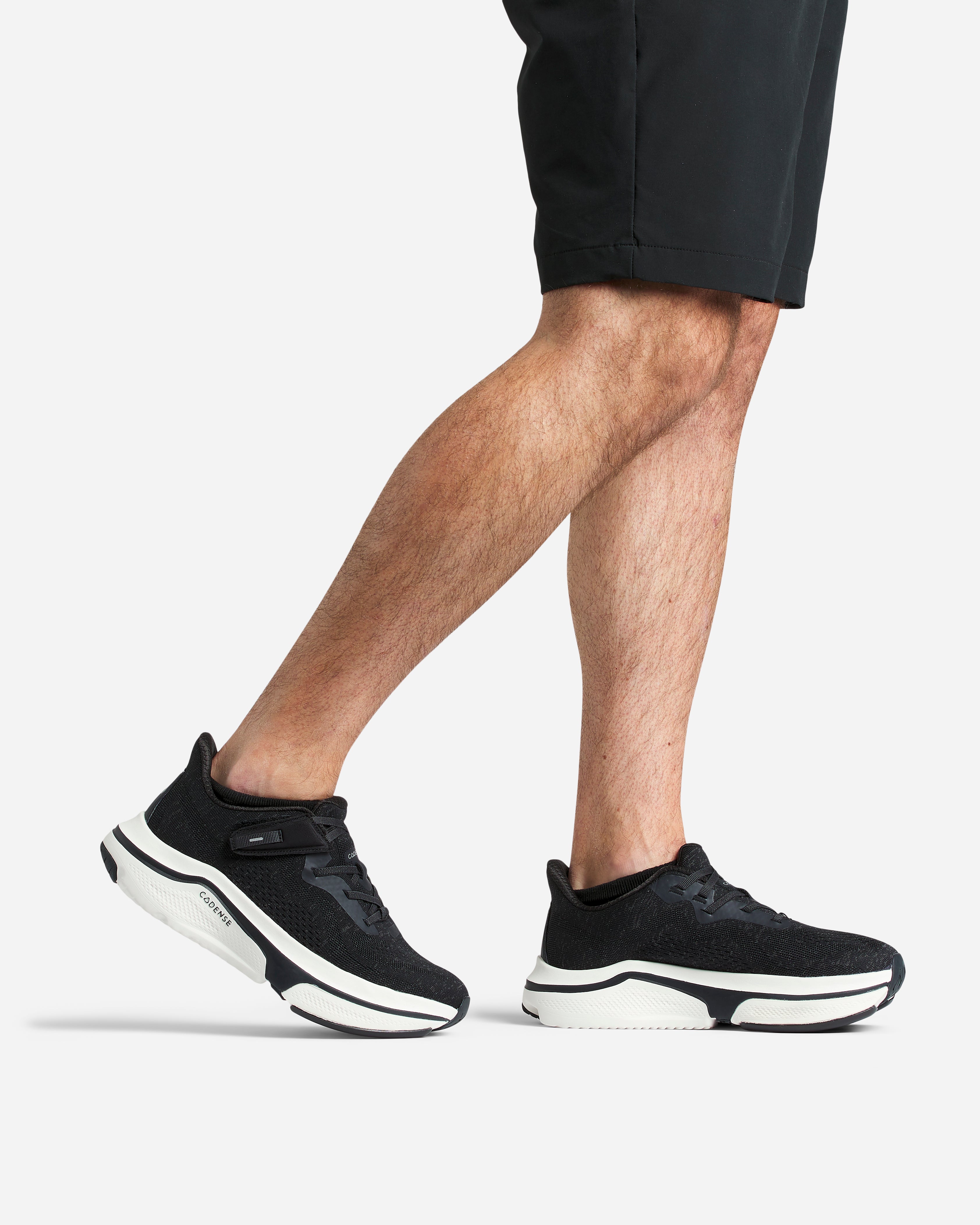
Key features include firm soles, wide toe boxes, slip-resistant outsoles, and adjustable closures
-
Medical or adaptive trainers offer extra depth and reinforced support for those with arthritis or orthotics
-
Always try trainers on with socks or orthotics in place and replace worn pairs promptly
Walking safely becomes more important as we age. Seniors face higher risks of slips, trips, and falls due to changes in strength, balance, and foot structure. Choosing the right trainers can make a major difference — not just for comfort, but for everyday safety.
Good trainers for seniors are designed to support balance, provide stability, and reduce the risk of falls. Unlike regular footwear, they focus on alignment, traction, and accommodating common foot changes that occur with ageing.
Here's how to choose trainers that help seniors stay steady and confident on their feet.
Why Balance and Stability Are Key for Seniors
As we get older, natural changes in muscles, joints, and reflexes can make walking less predictable. Reduced strength or mobility may cause:
-
Toe dragging or shuffling
-
Ankle instability
-
Difficulty navigating uneven surfaces
Proper footwear provides support where the body needs it most. Trainers that promote stability can prevent small missteps from turning into serious falls.
What Features Make Trainers Good for Seniors?
When shopping for trainers, look for features that enhance balance and stability:
-
Firm, supportive soles — prevent the foot from rolling or sliding during each step
-
Low, stable heels — reduce the risk of tipping or imbalance
-
Arch support — maintains proper alignment and reduces strain on feet, knees, and hips
-
Wide toe box — allows toes to spread naturally, reducing discomfort and improving stability
-
Adjustable closures — laces, straps, or Velcro ensure a snug, secure fit without tightness
-
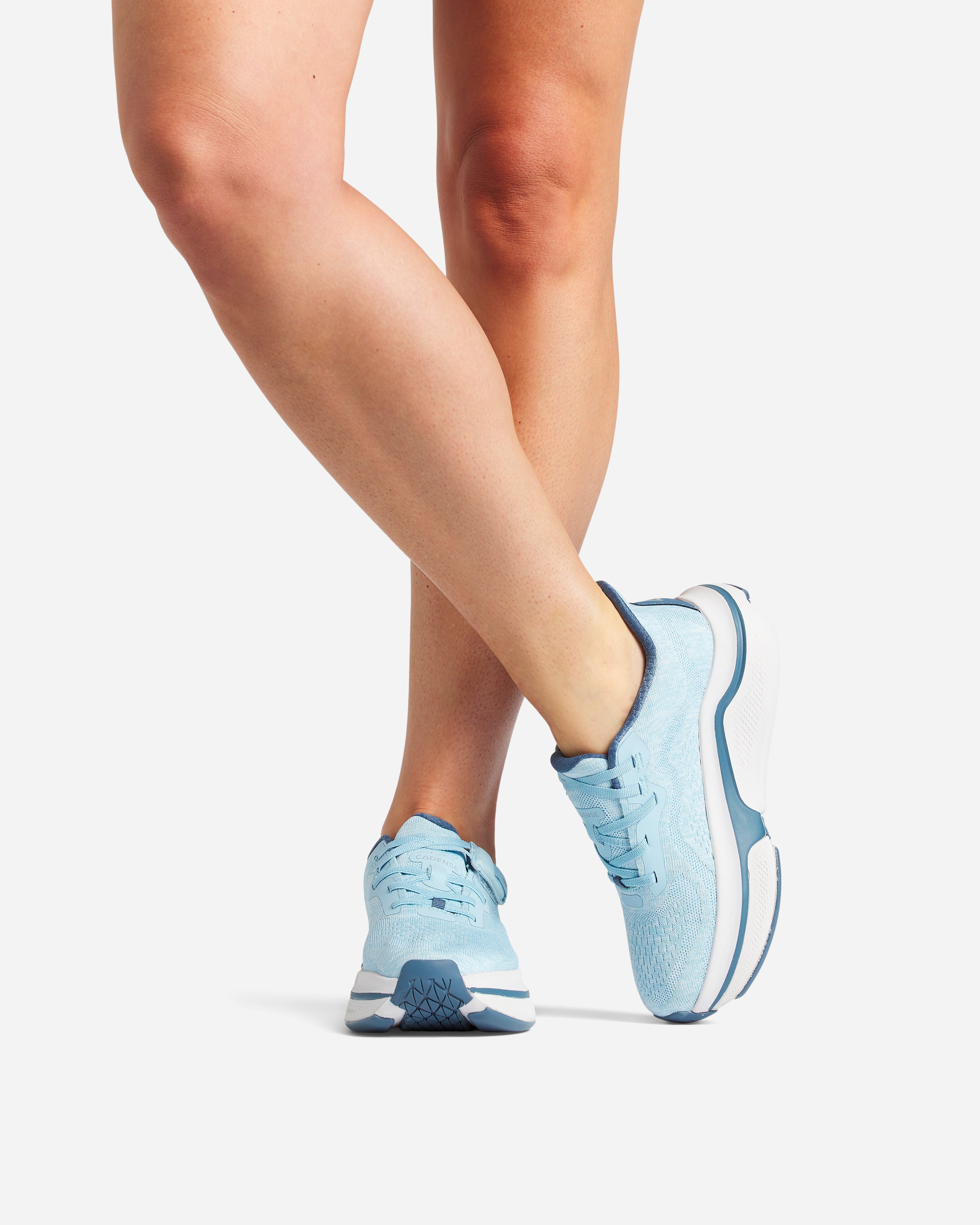
Slip-resistant outsoles — provide better traction on smooth or wet surfaces
These design elements help seniors walk more confidently whilst reducing fatigue and the risk of falls.
How Do Good Trainers Support Everyday Walking?
Good trainers for seniors do more than just feel comfortable — they actively support movement. By holding the foot securely, cushioning pressure points, and improving traction, these trainers:
-
Reduce missteps and ankle twists
-
Encourage a natural gait
-
Prevent foot fatigue that can affect balance
-
Work in combination with braces or orthotics if needed
Even small improvements in stability can restore confidence in daily activities.
Should You Consider Medical or Adaptive Trainers?
For seniors with foot pain, arthritis, or mobility limitations, medical or adaptive trainers may provide extra support. These trainers often feature:
-
Extra depth to accommodate swelling or orthotics
-
Reinforced heel counters for alignment
-
Cushioned insoles that reduce impact on joints
These enhancements go beyond what standard walking trainers offer and can make a real difference in comfort and safety.

Tips for Choosing the Right Trainers
-
Try trainers on with socks or orthotics — ensure the fit is secure and comfortable
-
Walk around indoors before buying — check stability, heel support, and sole grip
-
Check for flexibility in the right areas — the trainer should bend with the foot, not at the middle of the sole
-
Replace worn trainers promptly — worn soles and compressed cushioning reduce stability and traction
-
Consult a professional — a podiatrist or physiotherapist can recommend trainers that match individual needs
How Supportive Trainers Reduce Fall Risk
Falls are a leading cause of injury among seniors. Trainers designed for balance and stability reduce this risk by:
-
Supporting proper foot and ankle alignment
-
Reducing slippage on smooth surfaces
-
Preventing trips caused by improper gait or fatigue
The right trainers can make daily movement safer, easier, and more comfortable.
Choose Better Trainers for Seniors
Choosing good trainers for seniors isn't just about comfort — it's about safety, balance, and independence. Look for supportive soles, slip-resistant outsoles, secure closures, and a wide toe box. These features make walking more stable and reduce the risk of falls.
Explore Cadense adaptive footwear at cadense.co.uk to find trainers designed to provide stability, comfort, and safer walking for seniors every day.