Article: How to Help Your Parents Choose the Right Supportive Trainers and Footwear
How to Help Your Parents Choose the Right Supportive Trainers and Footwear
Summary
-
As parents age, the right footwear becomes one of the most practical and immediate ways to improve safety, stability, and confidence in daily movement
-
Key features to look for include slip-resistant soles, secure closures, cushioning, arch and heel support, and a wide toe box
-
Different styles suit different needs, from everyday supportive trainers to adaptive footwear for those using orthotics or AFO braces
-
Signs your parents need better trainers include worn soles, foot pain, frequent near-falls, and hesitancy on stairs or uneven ground
-
Supportive trainers combined with good lighting, clear walkways, and balance exercises create the most effective approach to fall prevention
As parents age, simple activities like walking to the end of the road or moving around the house can become more challenging. Reduced balance, muscle weakness, and foot conditions all increase the risk of trips, slips, and falls, which are among the leading causes of serious injury among older adults. One of the most practical and effective ways to support your parents' mobility and safety is helping them choose the right supportive trainers. The right pair does not just protect their feet. It can improve stability, reduce pain, and restore confidence with every step.
Why Supportive Trainers Matter for Seniors
Many adults underestimate how significant footwear is for balance and mobility, particularly as parents get older. Properly supportive trainers improve stability through features like slip-resistant soles and structured designs that reduce wobbling. They enhance comfort through cushioned insoles and a roomy toe box that prevent foot pain and allow for longer, more comfortable walks. They also accommodate foot conditions such as bunions, swelling, or the use of orthotics and braces like AFOs, which standard trainers often cannot do reliably.
Perhaps most importantly, the right fit and proper traction significantly reduce the risk of falls, which is a major concern as parents age. Even if your parents feel steady at the moment, choosing supportive footwear proactively can help prevent injuries before they happen rather than responding to them after the fact.
Key Features to Look for in Supportive Trainers
When shopping for trainers for your parents, these are the features that make the most meaningful difference to safety and day-to-day comfort.
1. Slip-Resistant Soles
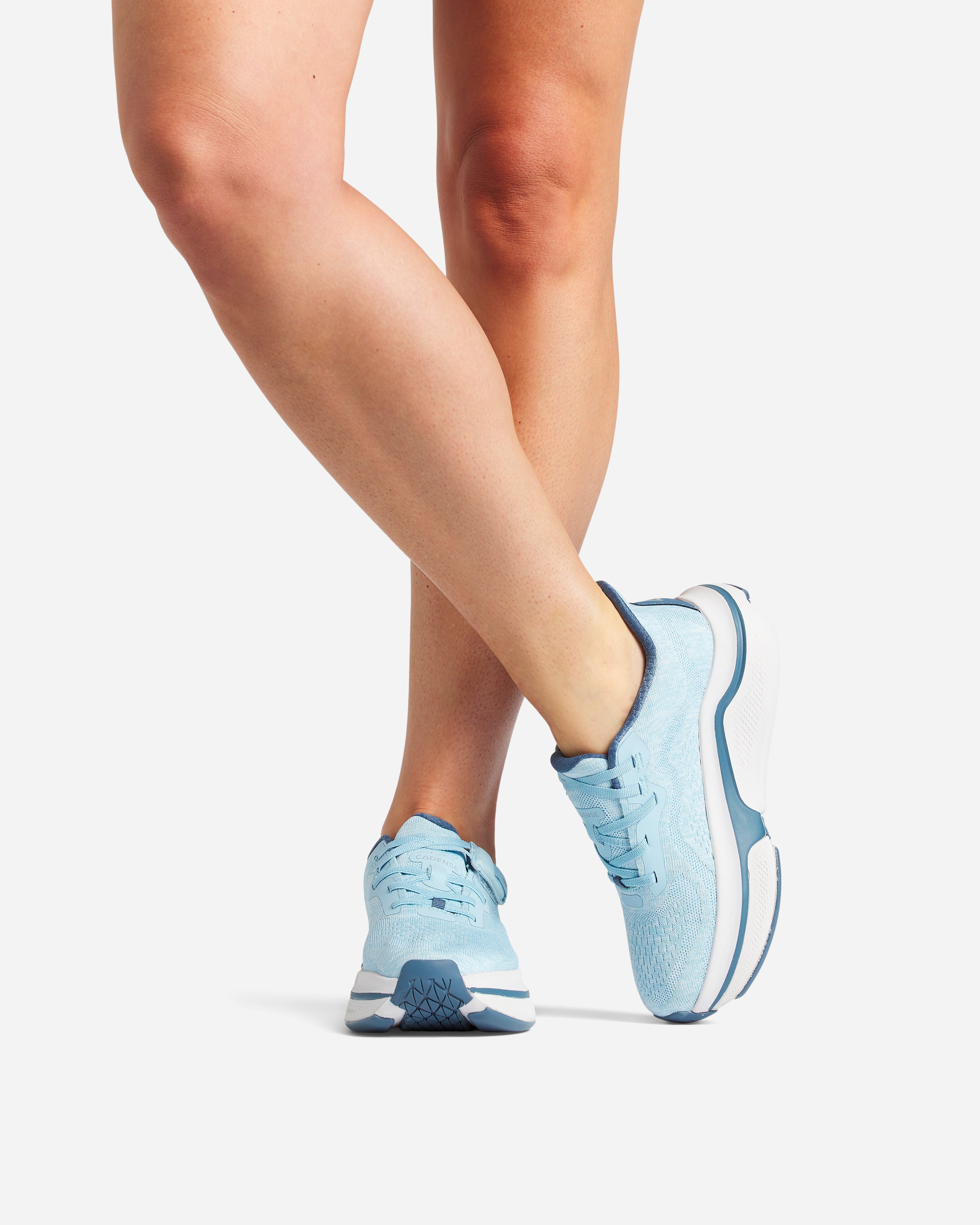
A grippy sole is essential for walking on tile, hardwood, or wet surfaces. Trainers with patterned rubber outsoles provide reliable traction across a range of indoor and outdoor conditions, reducing the risk of slipping in the moments when your parents are least expecting it.
2. Secure Fit
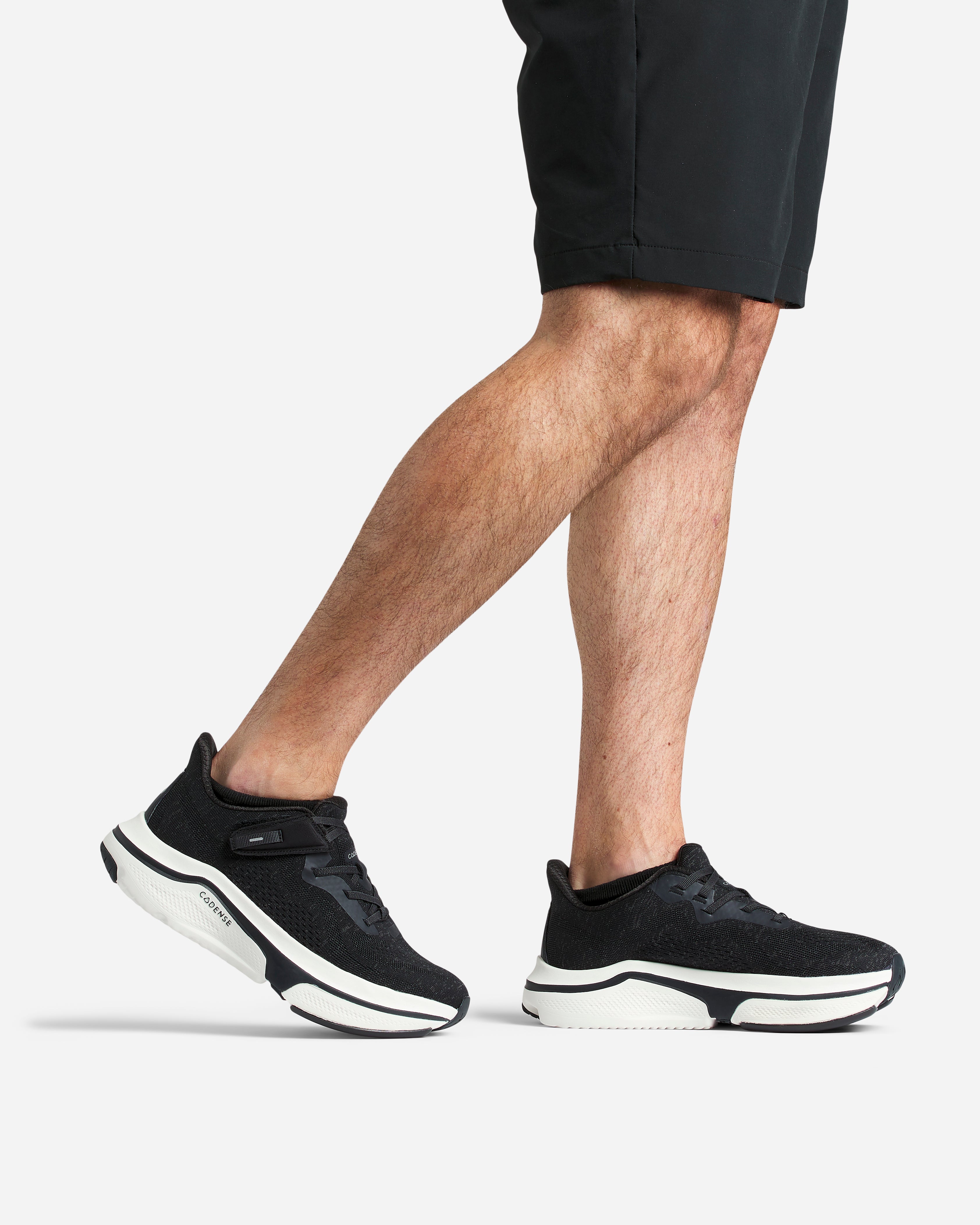
Trainers should hold the foot firmly in place without any slipping at the heel or sliding inside the trainer. Adjustable closures such as Velcro straps or laces allow for a snug, customisable fit that can be adjusted throughout the day as feet naturally swell with movement and warmth.
3. Cushioning and Shock Absorption
Proper cushioning reduces the impact on joints with every step and prevents the fatigue that builds up over a full day of walking. This is especially important for seniors managing arthritis, foot pain, or conditions that make sustained activity uncomfortable without adequate padding underfoot.
4. Arch and Heel Support
Firm heel counters and supportive arches promote proper foot alignment, which improves balance and reduces the cumulative strain on the knees, hips, and lower back. Without this structure, the foot pronates or rolls with each step in ways that gradually affect stability and posture.
5. Roomy Toe Box
A wide toe box allows the toes to move and spread naturally, accommodating conditions like bunions or swelling and preventing the discomfort that comes from compression at the front of the trainer. Trainers that fit comfortably in the toe area are far more likely to be worn consistently, which is what makes the safety benefit practical over the long term.
Types of Supportive Trainers for Seniors
Different needs call for different styles, and taking a moment to consider your parents' daily activities and health before shopping makes the decision much simpler. Everyday supportive trainers offer a well-rounded balance of comfort, structure, and traction that suits most regular walking needs. Slip-on trainers with elastic panels or Velcro closures are easier to put on and take off, which is valuable for seniors with limited dexterity or hip mobility. Orthopaedic or adaptive trainers are designed to accommodate orthotics or AFO braces without compromising fit or stability, making them the right choice for seniors with more specific foot or mobility conditions. Stability trainers with firm, structured soles are particularly well suited to those experiencing more noticeable balance challenges and who need a firmer, more predictable foundation underfoot.

Signs Your Parents Need Supportive Trainers
It is worth knowing what to look out for when assessing whether your parents' current footwear is still doing its job. Hesitancy when walking on stairs or uneven surfaces, complaints of foot pain or discomfort during or after walking, and trainers with visibly worn or smooth soles are all clear indicators. Frequent stumbles or near-falls and a reluctance to walk because of feeling unsteady are more serious signs that the current trainers are no longer providing adequate support. Addressing these signs early can help prevent accidents and maintain the independence your parents value.
Tips for Helping Your Parents Choose the Right Trainers
Measure your parents' feet properly before buying, as foot size and width often change with age and a size that fitted well several years ago may no longer be accurate. Prioritise safety features including slip-resistant soles, a stable base, and secure closures over style. Consider any foot conditions or assistive devices your parents use, and make sure the trainers can accommodate these comfortably. Have your parents try the trainers on and walk around on both carpet and a hard surface to check that they feel secure and supportive in real conditions. Replace worn trainers promptly rather than waiting for obvious signs of damage, as cushioning and traction often deteriorate well before the upper shows any wear.
How Supportive Trainers Improve Confidence and Independence
Falls are not only physically dangerous. They can make seniors fearful of moving around, and that fear frequently leads to less activity, which weakens muscles and increases future fall risk over time. Supportive trainers give your parents the stability and comfort to move confidently, which helps keep them active and independent rather than withdrawing from the daily routines that matter to their wellbeing.
Pairing well-fitted trainers with other safety measures, such as removing trip hazards from walkways, keeping hallways and staircases well-lit, installing grab rails in the bathroom, and encouraging regular balance exercises, creates a far more comprehensive approach to fall prevention than footwear alone.
Take the First Step Towards Keeping Your Parents Safe
Helping your parents choose the right supportive trainers is more than a comfort decision. It is a proactive step towards helping prevent falls, maintaining mobility, and preserving the independence that means so much to their quality of life. With the right fit, cushioning, and traction, supportive footwear gives seniors the confidence to walk comfortably and safely every day.
Explore Cadense adaptive trainers at cadense.co.uk to find footwear designed for stability, comfort, and safety, helping your parents stay active, independent, and confident with every step.