

How to Manage the Drop Foot Condition With Exercises, Therapy, and Supportive Footwear
The drop foot condition makes lifting the front of the foot more difficult, which can affect the way you walk and increase the risk of trips, slips and falls. It often develops due to nerve or muscle issues that limit ankle and toe movement.
Managing drop foot isn’t about a single solution. It’s about combining the right approaches to support safer steps, reduce fatigue, and help you move with more confidence in everyday life.
Why Early Management Matters
Addressing drop foot early can make a meaningful difference in how safely and comfortably you move. Small changes at the start can help prevent more noticeable mobility challenges later on.
Early management can help to:
-
Reduce the risk of trips, slips and falls
-
Prevent strain on other muscles that compensate for weakness
-
Support more natural walking patterns
-
Build confidence in daily movement
Taking action early gives you a stronger foundation for long-term mobility.
Exercises That Support Foot Lift and Stability
Targeted exercises are an important part of maintaining strength and improving control. These movements are often simple, but consistency is what helps them make a difference over time.
You might practise toe lifts to activate the muscles that raise the front of the foot, or ankle circles to improve flexibility and reduce stiffness. Resistance band exercises can help strengthen the ankle in a controlled way, while heel raises support overall lower leg stability.
Done regularly, these exercises can help improve foot clearance and make walking feel smoother and more controlled.

How Physiotherapy Helps With Drop Foot
Working with a physiotherapist gives you a structured, personalised approach based on how your body moves. Rather than guessing what might help, you’ll follow a plan tailored to your specific needs.
A physiotherapist may help you to:
-
Assess muscle strength and identify movement limitations
-
Build a personalised exercise routine
-
Improve gait and step consistency
-
Recommend supportive devices such as ankle-foot orthoses (AFOs)
This kind of targeted support helps reduce compensatory habits and encourages safer, more efficient movement.
How Supportive Trainers Complement Therapy
What you wear on your feet has a direct impact on how stable and confident you feel throughout the day. While footwear doesn’t treat the underlying cause, it can make everyday movement feel more secure.
Supportive trainers can help by:
-
Providing a stable base to improve balance
-
Allowing smoother, more natural movement
-
Accommodating braces like AFOs comfortably
-
Reducing fatigue during longer periods of walking
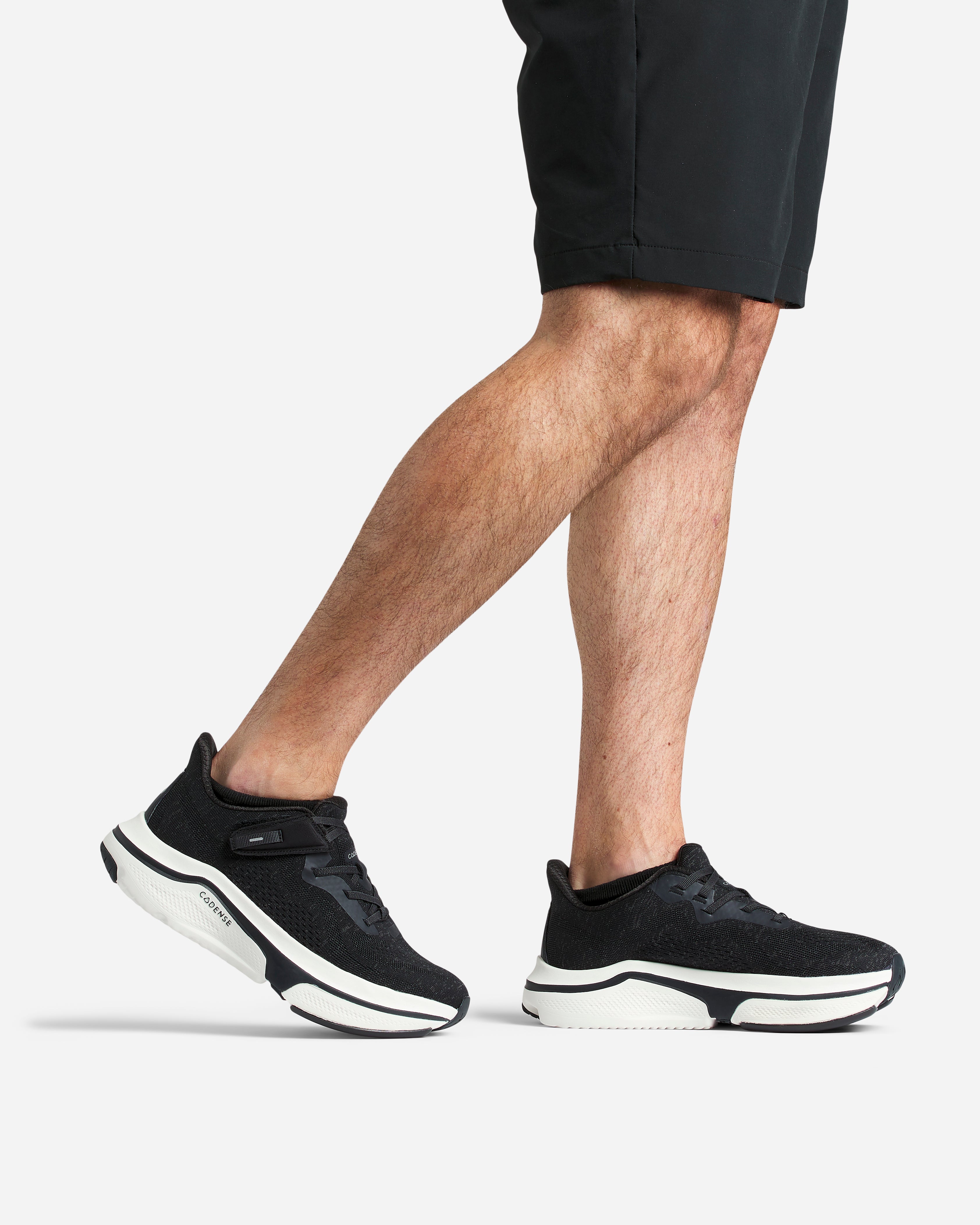
Cadense adaptive trainers are designed with these needs in mind, offering a secure fit, lightweight flexibility, and an easy on/off design to support daily mobility.
Tips for Managing Drop Foot Day to Day
Alongside therapy and footwear, small daily habits can help you stay steady and confident.
It can help to:
-
Stay aware of any foot dragging or uneven steps
-
Practise recommended exercises consistently
-
Choose stable, supportive trainers each day
-
Keep walking areas clear of obstacles
-
Check in with your physiotherapist as your needs change
These simple adjustments can make a noticeable difference over time.
Maintain Your Mobility
Managing the drop foot condition is about building a routine that supports you from all angles. With the right combination of exercises, physiotherapy, and supportive footwear, many people find they can move more safely and comfortably.
If you’re looking for footwear designed to support mobility challenges, explore Cadense adaptive trainers here:
👉 https://cadense.co.uk/
They’re designed to help make every step feel steadier, safer, and more confident.