
The Top Features That Make Shoes for AFOs Truly Comfortable
For anyone wearing an ankle–foot orthosis (AFO), the right trainers aren’t a luxury — they’re essential. AFOs provide important stability and alignment for people recovering from stroke, managing foot drop, or living with conditions such as multiple sclerosis or cerebral palsy. But if trainers don’t properly accommodate the brace, walking can quickly become uncomfortable, tiring, or even unsafe.
Physiotherapists regularly emphasise how important it is to pair an AFO with supportive, well-designed footwear. The right trainers help the brace work as intended, encourage more natural movement, reduce skin irritation, and build confidence. For the person wearing them, that means walking with less effort and more freedom in everyday life.
Wide and Adjustable Openings for Easy On and Off
One of the most practical — and often underestimated — features in trainers for AFOs is how easy they are to put on and take off. Traditional trainers can be frustrating when you’re managing a brace, stiffness, or reduced hand strength.
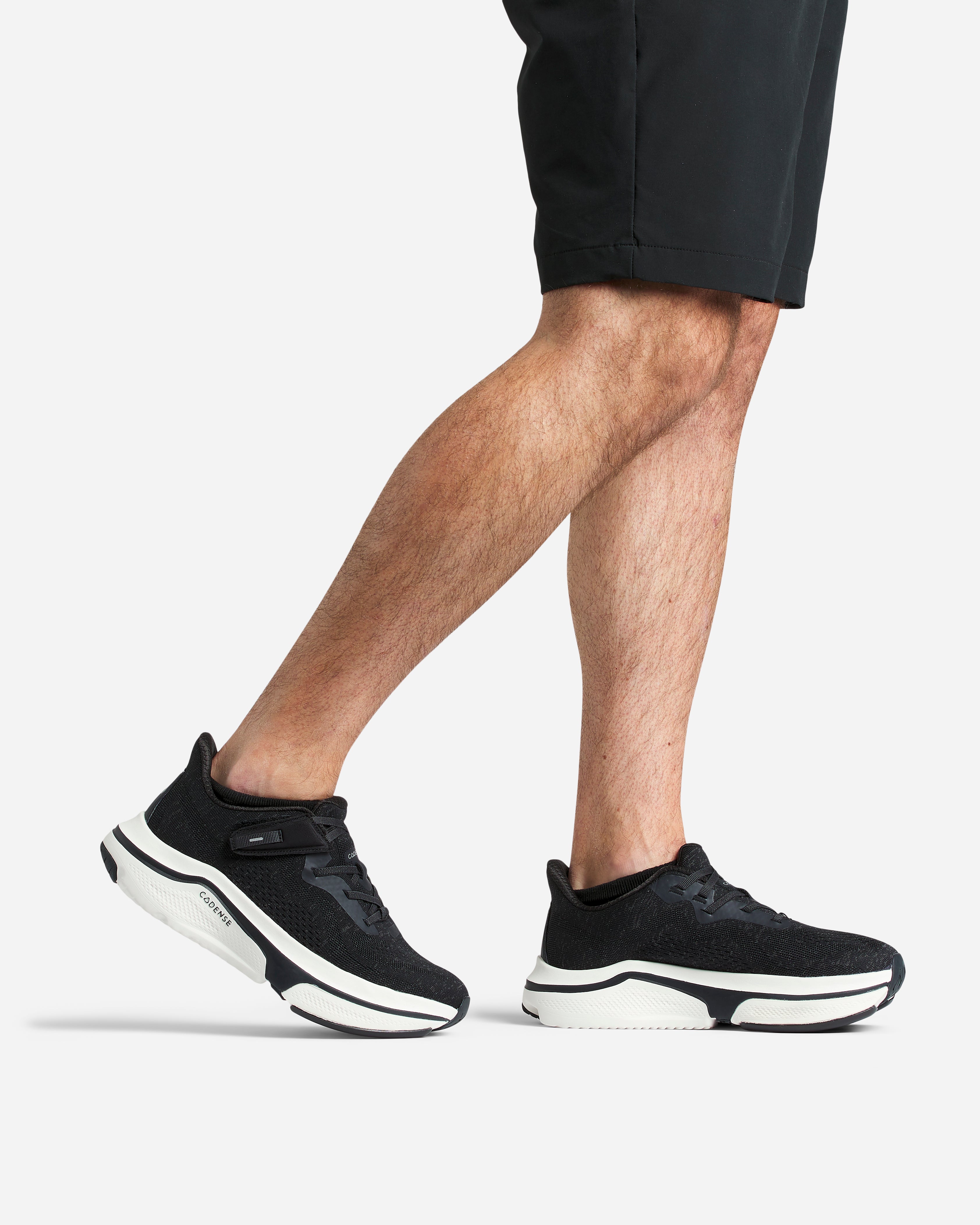
AFO-friendly trainers are designed with wide openings, wraparound zips, or adjustable hook-and-loop fastenings. These features allow the foot and brace to slide in comfortably, without forcing or twisting.
For example, an older adult recovering from a stroke or someone with neuropathy may struggle to bend down or manage tight laces. Trainers that open fully remove that daily challenge and support independence, reducing the need for help with dressing.
Extra Depth and Removable Insoles for a Better Fit
Trainers designed for AFOs need extra internal depth so the brace can sit properly without pressing into the foot. Without enough space, pressure points and discomfort can quickly develop.
Additional depth allows room for both the foot and the AFO, while removable insoles make it easier to adjust the fit. Physiotherapists and orthotists can remove or swap insoles to improve alignment, add custom orthotics, or relieve pressure in sensitive areas.
This flexibility is especially helpful for people who wear their trainers for long periods throughout the day, helping to minimise rubbing and fatigue.
Flexible Yet Supportive Soles for Natural Movement
Finding the right balance between flexibility and stability is key for anyone wearing an AFO. Trainers need to work with the brace, not against it.
The most comfortable trainers for AFOs use lightweight yet supportive midsoles that promote a smoother heel-to-toe movement. The sole should flex where the foot naturally bends, while still providing enough structure to keep the brace stable.
Many physiotherapists recommend trainers with a gentle rocker sole, as this can help guide the foot forward with less effort — particularly helpful for people managing weakness, fatigue, or changes in gait.
A Wide Toe Box to Reduce Pressure and Irritation
When wearing an AFO, toes can be pushed forward inside the trainer, increasing the risk of pressure, friction, or soreness. A wider toe box allows the foot to sit more naturally and reduces stress on sensitive areas.
This is especially important for people with foot drop, neuropathy, or muscle tightness linked to cerebral palsy. Giving toes enough room can improve comfort, circulation, and overall foot health.

Lightweight Materials to Help Reduce Fatigue
An AFO already adds weight to the leg, so heavy trainers can make walking more tiring than it needs to be. Lightweight construction helps reduce strain on muscles and joints, making each step feel easier.
Modern adaptive trainers often use engineered mesh uppers, cushioned foam soles, and durable synthetic materials that keep weight down without sacrificing support. This can make a noticeable difference for people with MS, post-stroke fatigue, or reduced endurance.
Non-Slip Outsoles for Safer Mobility
Traction plays a major role in confidence and safety for AFO users. Trainers with non-slip, textured outsoles help improve grip on both indoor and outdoor surfaces.
Rather than claiming to “prevent falls”, it’s more accurate to say these outsoles help reduce the risk of slips, trips, and stumbles by improving ground contact and stability. This is especially important for older adults or anyone undergoing gait retraining.
Smooth, Padded Interiors for Skin Protection
When an AFO rubs against the foot, irritation can develop quickly. Trainers designed for AFO use should have smooth linings, cushioned interiors, and minimal internal seams to reduce friction.
For people with reduced sensation — such as those with neuropathy — this is particularly important. It helps protect the skin from blisters or pressure points that might otherwise go unnoticed.
Everyday Styles That Support Confidence
Comfort and clinical function matter — but so does how trainers look. Many people wearing AFOs want footwear that doesn’t feel medical or draw unwanted attention.
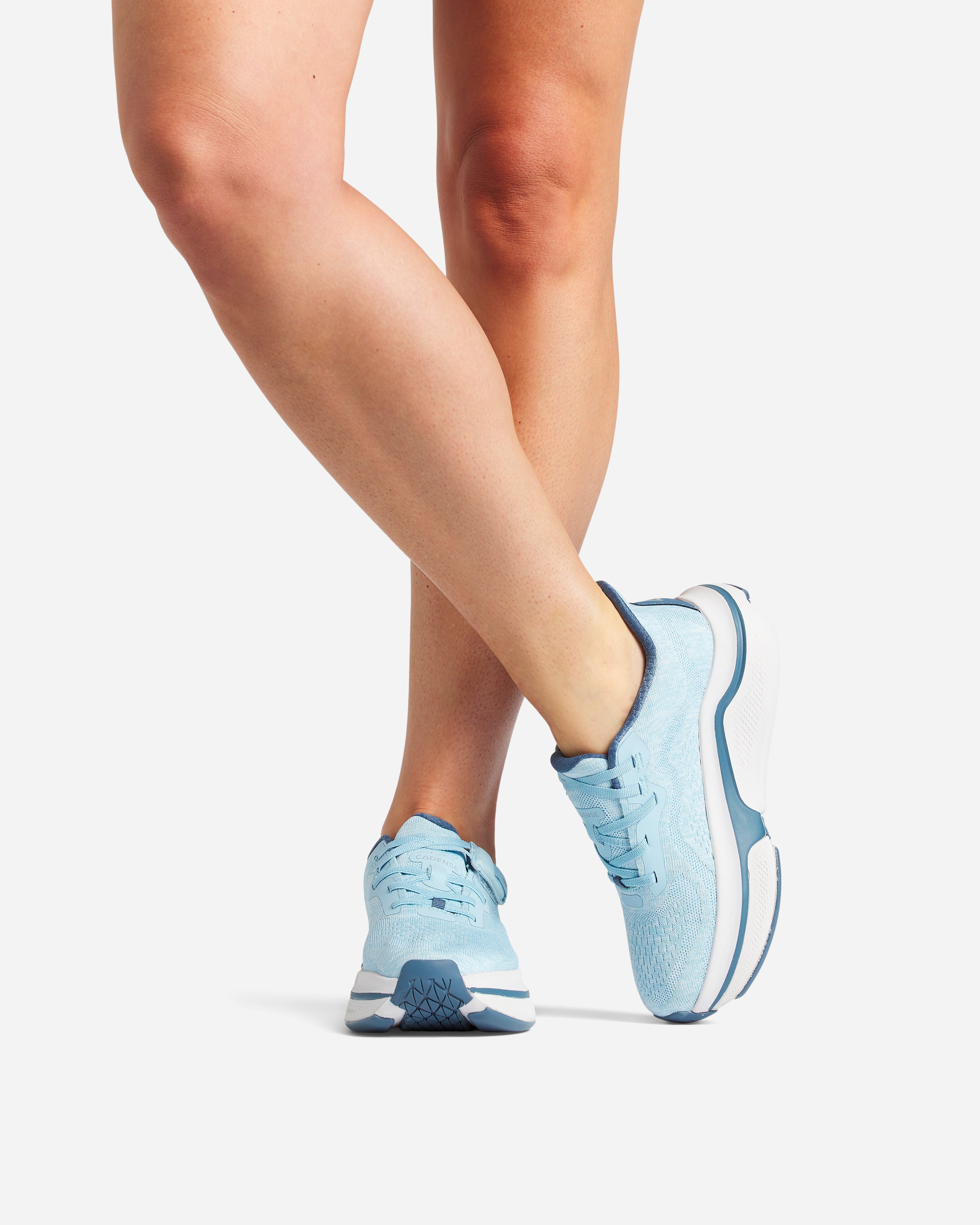
Today’s adaptive trainers combine supportive features with modern, everyday designs. From casual trainers to clean, minimalist styles, AFO-friendly options can now blend seamlessly into daily life.
When people feel good about what they’re wearing, they’re more likely to wear their trainers consistently — which supports mobility, therapy progress, and confidence.
What to Look for When Choosing Trainers for an AFO
Whether you’re a physiotherapist making a recommendation or someone searching for the right fit, these practical checks can help:
-
Make sure the trainer accommodates the size and shape of the AFO
-
Look for removable insoles for easy adjustment
-
Prioritise lightweight designs with good grip
-
Always try trainers on with the brace in place
Small design details make a big difference when walking, standing, or moving through daily life.
Discover Cadense Adaptive Trainers
The best shoes for AFOs don’t just make walking possible — they make it more comfortable, stable, and confidence-building. With the right design features, both patients and clinicians can focus less on discomfort and more on progress.
If you’re exploring adaptive trainers that combine clinical insight with real-world comfort, explore Cadense UK for AFO-friendly designs built to support mobility, independence, and confidence — every step of the way.

,%20the%20right%20trainers%20aren%E2%80%99t%20a%20luxury%20%E2%80%94%20they%E2%80%99re%20essential.%20AFOs%20provide%20important%20stability%20and%20alignment%20for%20people%20recovering%20from%20stroke,%20managing%20f...)