

Why AFO Compatible Trainers Are Worth the Investment for Long-Term Comfort
If you wear an ankle–foot orthosis (AFO), you already know that your trainers play a much bigger role than simply covering your feet. The right pair doesn’t just work with your brace — it determines how comfortable, stable, and confident you feel throughout the day.
Many people question whether AFO-compatible trainers (often searched as AFO shoes) are really worth the extra cost. But when you look at how they support movement, protect your body, and reduce long-term strain, the value becomes clear.
Let’s explore why investing in AFO-friendly trainers can make a meaningful difference to your comfort, mobility, and independence over time.
What AFO-Compatible Trainers Actually Do — and Why It Matters
An AFO is designed to support the ankle and foot, often for conditions such as foot drop, stroke recovery, multiple sclerosis, or cerebral palsy. But the brace can only work properly if it’s paired with trainers designed to accommodate it.
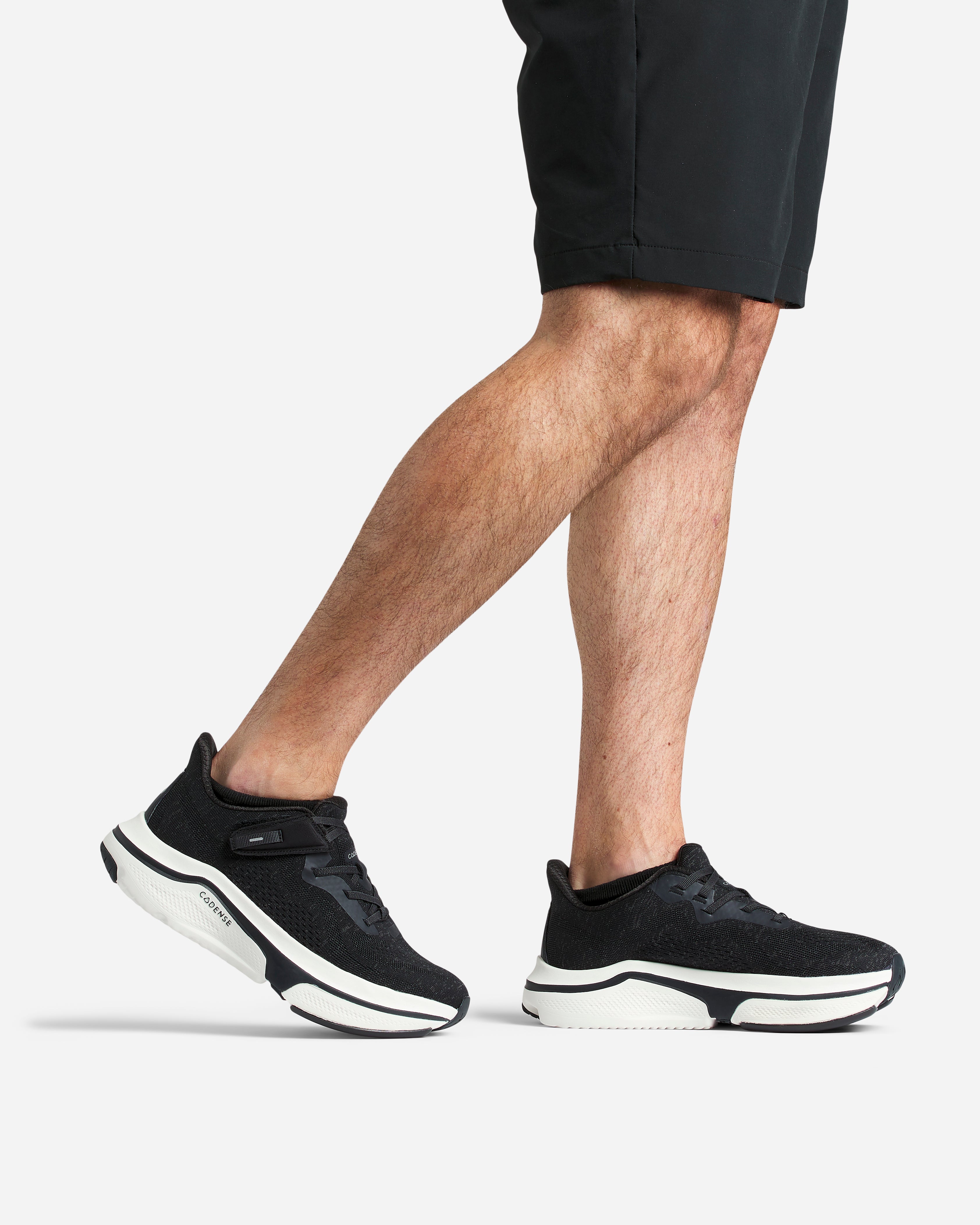
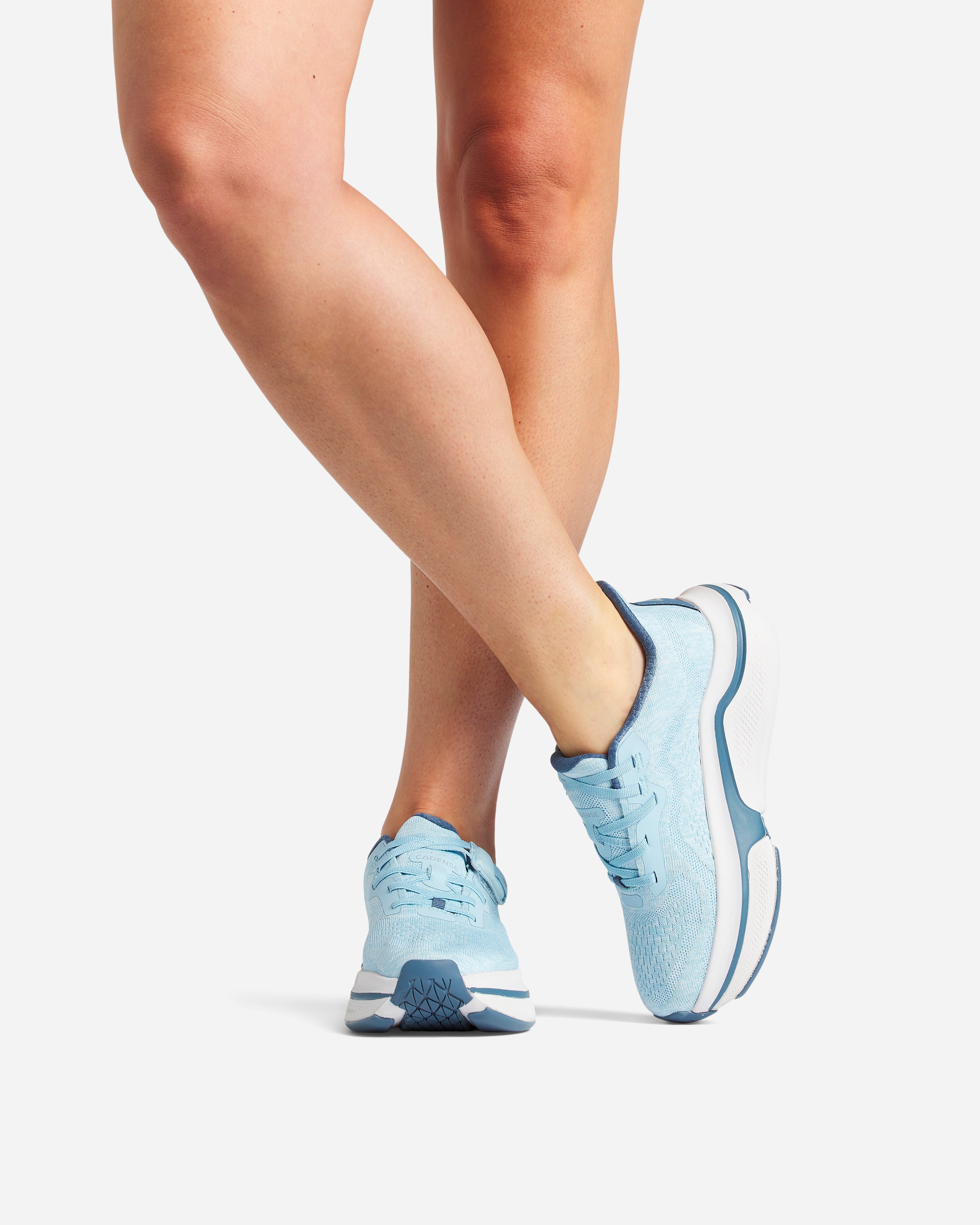
AFO-compatible trainers are built to support the brace rather than fight against it. They provide the space, structure, and stability needed for your orthosis to function as intended.
Without the right trainers, people often experience:
-
Tightness or pressure around the foot and ankle
-
Rubbing that leads to blisters or sore spots
-
Reduced stability while walking
-
Increased fatigue or uneven gait
AFO-friendly trainers help prevent these issues by offering:
-
Extra depth and width for the brace
-
Firm heel support for stability
-
Easy-entry designs such as zips or wide openings
-
Soles designed for grip and controlled movement
Why Regular Trainers Often Fall Short
At first glance, standard trainers might seem like a cheaper or simpler option. Unfortunately, most everyday footwear isn’t designed to accommodate the structure or function of an AFO.
Common problems include:
-
Trainers becoming too tight once the brace is inside
-
Poor alignment due to the brace shifting while walking
-
Uneven wear, especially around the heel
-
Difficulty getting trainers on and off independently
Over time, these issues don’t just affect comfort — they can lead to knee, hip, or lower-back strain, as the body works harder to compensate.
That’s why choosing trainers designed specifically for AFO use isn’t a luxury — it’s a practical investment in long-term mobility and joint health.
Key Design Features That Make AFO-Compatible Trainers Different
What sets AFO trainers apart is thoughtful, clinically informed design. Every detail is there for a reason.
Look for features such as:
-
Extra depth
Provides space for the brace without squeezing the foot. -
Supportive heel and midsole structure
Keeps the ankle stable and reduces unwanted movement. -
Removable insoles
Allow flexibility depending on brace type or foot shape. -
Slip-resistant outsoles
Improve confidence on indoor and outdoor surfaces. -
Adaptive closures
Zips, wide openings, or elastic systems make dressing easier — especially if dexterity is limited.
These features work together to ensure your AFO performs properly and comfortably throughout the day.

Everyday and Clinical Benefits of the Right Trainers
When your trainers and AFO work together, the benefits extend far beyond your feet.
People often notice:
-
Improved gait with more even, controlled steps
-
Better balance and reduced risk of trips or falls
-
Less pressure and irritation on sensitive areas
-
Greater endurance, with less fatigue during walking
-
Increased confidence, both indoors and out
Physical therapists frequently see improvements in walking efficiency and posture once clients switch to AFO-compatible trainers — particularly in balance and gait-focused rehabilitation.
How to Choose AFO-Compatible Trainers for Long-Term Comfort
When selecting trainers, it’s important to prioritise function over appearance — though modern adaptive trainers now offer both.
Practical tips include:
-
Always fit trainers with the AFO on
-
Look for adjustable fastenings to fine-tune comfort
-
Choose a stable, cushioned sole to absorb impact
-
Check that the trainer is genuinely AFO-friendly, not just “wide”
-
Walk around in them before committing, if possible
Your physiotherapist or orthotist can also help recommend trainer styles that work best with your specific brace and walking pattern.
Why AFO-Compatible Trainers Are a Smart Long-Term Investment
It’s easy to think of trainers as disposable — but if you wear an AFO, they’re part of your mobility support system.
Ill-fitting footwear may cost less initially, but it often leads to discomfort, instability, and even the need for brace adjustments. Over time, that can cost far more — physically and financially.
High-quality AFO-compatible trainers help:
-
Protect joints and alignment
-
Reduce fatigue
-
Support your brace properly
-
Maintain independence and confidence
That’s why they’re an investment in your everyday comfort and long-term well-being.
Final Thoughts
If you use an AFO, the right trainers aren’t optional — they’re essential. Every design detail, from depth to traction, affects how you move and how secure you feel.
Cadense designs adaptive trainers that balance clinical performance with everyday comfort and modern style, so you don’t have to compromise.
If you’re ready to experience the difference, explore Cadense UK and discover AFO-compatible trainers designed to support confident, comfortable movement — step after step.

,%20you%20already%20know%20that%20your%20trainers%20play%20a%20much%20bigger%20role%20than%20simply%20covering%20your%20feet.%20The%20right%20pair%20doesn%E2%80%99t%20just%20work%20with%20your%20brace%20%E2%80%94%20it%20determine...)