Best Trainers for Older Adults With Mobility Challenges
As we get older, it’s completely normal for our feet — and our movement — to change. Arches can drop, balance may feel less reliable, and muscles don’t always respond as quickly as they once did. For many older adults, these changes are made more challenging by arthritis, neuropathy, neurological conditions, or general mobility loss.
Unfortunately, most everyday trainers aren’t designed with these realities in mind. They can feel narrow, unstable, heavy, or simply exhausting to wear for more than a short time. Over time, this discomfort can discourage movement altogether — affecting independence, confidence, and overall quality of life.
That’s why choosing the right trainers matters. For older adults with mobility challenges, footwear isn’t about fashion or trends — it’s about safety, comfort, and the confidence to keep moving.
What to Look for in Trainers for Older Adults With Mobility Challenges
The best trainers for older adults go beyond basic cushioning. They’re designed to support balance, reduce effort, and adapt to real-world mobility needs.
Key features to prioritise include:
-
A wide, stable base
A broader sole improves balance and reduces the risk of rolling or feeling unsteady. -
Lightweight, flexible materials
Heavy trainers increase fatigue. Lightweight designs make walking feel easier and more natural. -
Low, supportive heel profile
Encourages even weight distribution and reduces strain on knees, hips, and lower back. -
Easy on/off entry
Trainers that don’t require bending, pulling, or fiddling with laces are essential for those with reduced flexibility or dexterity. -
Secure but gentle fastenings
Adjustable straps, zips, or adaptive closures keep the foot stable without cutting off circulation. -
Shock-absorbing soles
Help protect joints and soften impact on hard indoor or outdoor surfaces.
Together, these features help create trainers that support movement rather than making it harder.
How Adaptive Trainers Support Safer, More Confident Movement
Adaptive trainers are specifically designed to work with the body — not against it. Instead of forcing the foot into a rigid shape, they adjust to swelling, changes in gait, and reduced strength.
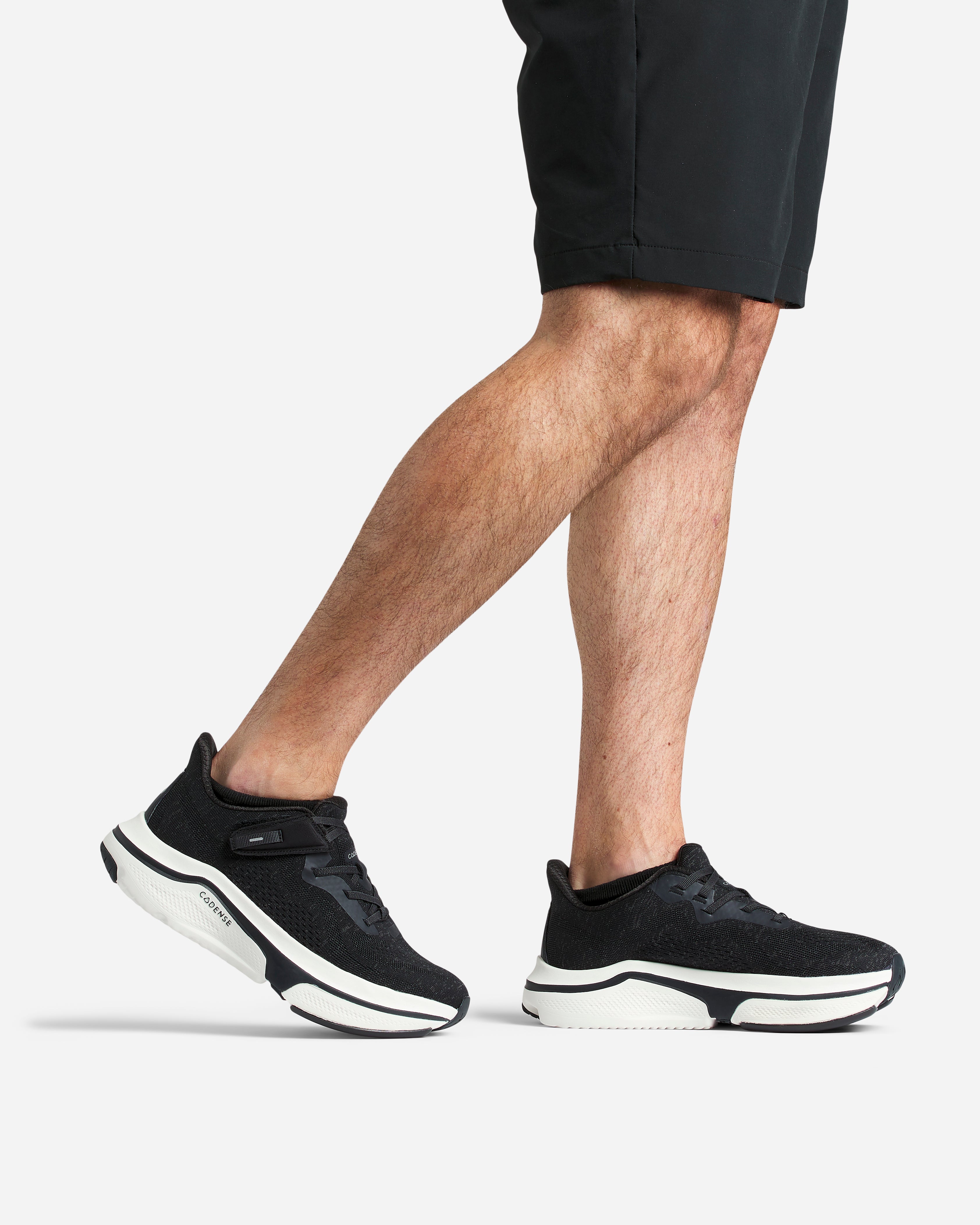
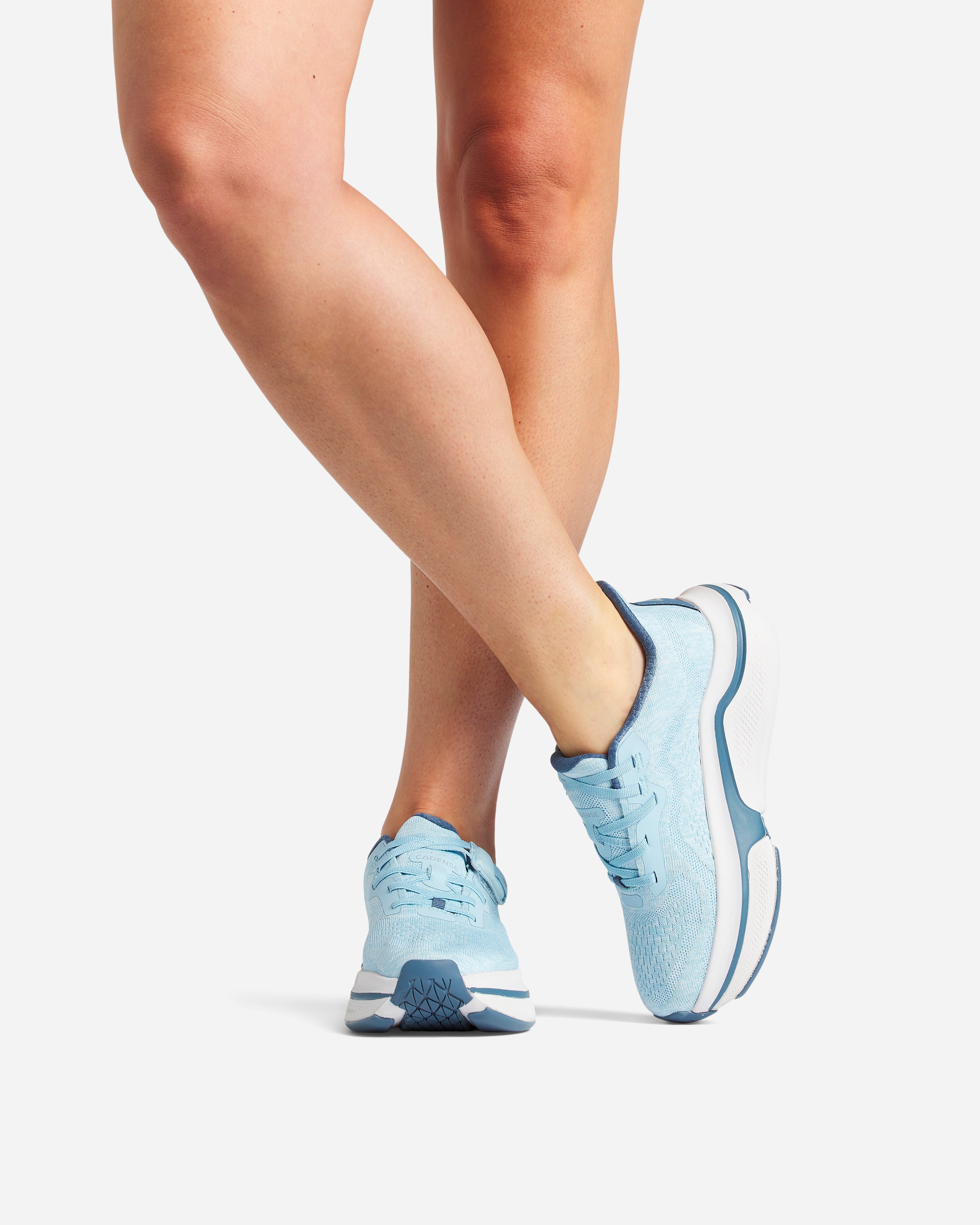
Cadense trainers are built with this philosophy in mind, combining:
-
Adjustable openings for swollen feet, orthotics, or sensitive areas
-
Flexible soles that encourage natural foot movement
-
Slip-resistant traction to reduce the risk of slips on smooth indoor floors
-
Supportive structure that helps keep the foot aligned and comfortable
These features are especially valuable for older adults living with arthritis, balance difficulties, Parkinson’s disease, neuropathy, or general mobility decline. The result is footwear that feels safer, easier, and more confidence-boosting throughout the day.

Why the Right Trainers Can Restore Confidence
Confidence and mobility are closely linked. When trainers feel unstable or uncomfortable, even small tasks — walking to the kitchen, answering the door, stepping outside — can feel daunting.
Supportive trainers change that experience. When feet feel secure and movement feels predictable, older adults are more likely to stay active, move independently, and engage in daily routines without hesitation.
That confidence isn’t just physical — it’s emotional. Feeling capable again can reduce anxiety around movement and help people feel more in control of their day.
Common Footwear Mistakes Older Adults Should Avoid
Even well-intentioned choices can unintentionally make mobility harder. Common issues include:
-
Trainers that are too tight, worsening swelling or nerve discomfort
-
Smooth or slippery soles, especially dangerous indoors
-
Heavy, rigid designs that increase fatigue
-
Worn-out cushioning, which no longer absorbs impact properly
Replacing unsuitable footwear with trainers designed for mobility support can make a noticeable difference in both comfort and safety.
How Supportive Trainers Help Maintain Long-Term Mobility
Footwear plays a bigger role in long-term health than many people realise. Supportive trainers can:
-
Reduce joint strain
-
Improve posture and alignment
-
Encourage regular movement
-
Support physical therapy or daily walking routines
When movement feels easier, people are more likely to keep moving — which is essential for maintaining strength, circulation, and independence as we age.

Why Older Adults Choose Cadense Trainers
Cadense trainers are designed for people who need more than “comfortable footwear.” Every detail is considered to support balance, reduce effort, and adapt to real mobility challenges — without looking medical or bulky.
Cadense trainers offer:
-
Adaptive support built for everyday movement
-
Lightweight, easy-to-wear designs
-
Stability without stiffness
-
A balance of clinical insight and modern style
They’re proof that trainers can be supportive, practical, and confidence-boosting — all at the same time.
Move With Confidence, Every Day
The right trainers can change how movement feels — and how life feels. For older adults with mobility challenges, supportive footwear can mean fewer worries about balance, less fatigue, and more freedom to move independently.
Explore Cadense.com to discover adaptive trainers designed to support safer, more confident movement — helping older adults stay active, comfortable, and in control, one step at a time.