
What Makes the Best Trainers for Someone with Cerebral Palsy Truly Functional
For people living with cerebral palsy (CP), walking isn’t just a daily task — it’s a complex physical effort involving balance, coordination, and muscle control. Every step requires intention, and the wrong footwear can make that effort significantly harder.
That’s why finding the best trainers for someone with cerebral palsy goes far beyond comfort or appearance. The right footwear supports mobility, complements therapy goals, and helps people move through the world with greater confidence and independence.
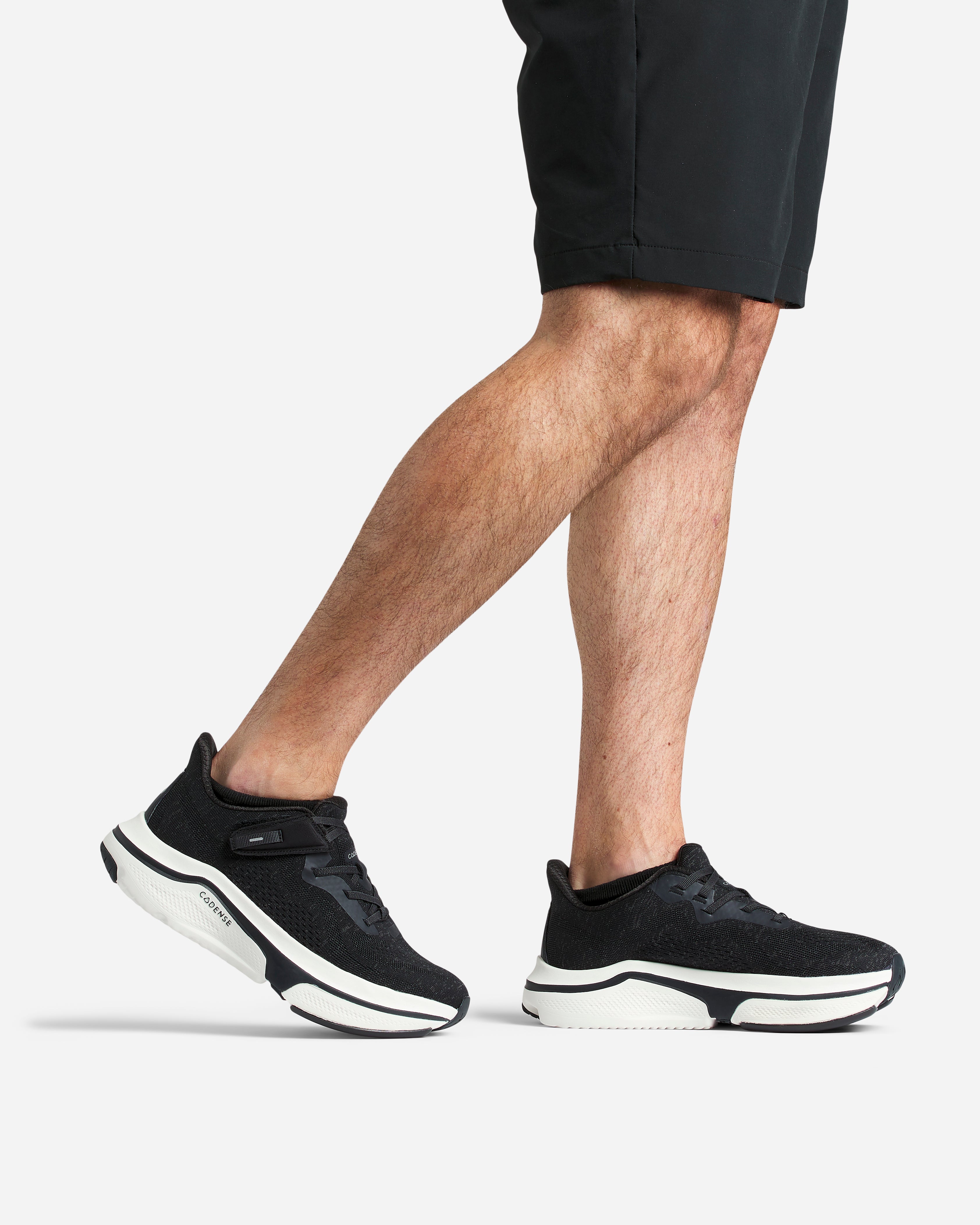
At Cadense, we believe trainers shouldn’t simply fit — they should function, adapting to the way the body moves and supporting progress over time.
1. Stability That Supports Every Step
Cerebral palsy often affects balance and coordination. Some people experience involuntary muscle contractions, altered gait patterns, or weakness that changes how the foot strikes the ground. The right trainers can help correct these challenges by offering stability from the ground up.
Key elements include:
-
A firm heel counter to keep the foot aligned
-
A supportive midsole to reduce rolling inwards or outwards
-
A low heel-to-toe drop to encourage a steady, controlled gait
-
A wider sole base for improved balance
These features help promote smoother, more secure steps — boosting confidence during therapy sessions, school, work, or everyday activities.
2. Flexibility Where It Matters
CP presents differently for everyone. Some people require more rigidity for control, while others benefit from trainers that flex naturally with their movement. The best functional footwear blends both.
A flexible forefoot allows natural motion during toe-off, while a stable heel and midfoot reduce wobbling. This balance helps:
-
Reduce fatigue
-
Improve rhythm and gait pattern
-
Prevent compensatory movements that may lead to pain elsewhere
Trainers that are too stiff or overly flexible can both cause problems. True functionality lies in how well the footwear supports movement without restricting it.
3. Easy On, Easy Off
Many people with cerebral palsy experience challenges with fine motor skills, which makes traditional laces or narrow openings difficult.
Adaptive trainers prioritise ease of use by incorporating:
-
Wide-opening designs
-
Side zips or magnetic closures
-
Stretchable uppers
These features make getting ready quicker, reduce frustration, and, most importantly, support independence. For caregivers, they also make daily routines easier.

4. Compatibility with Braces and Orthotics
Many individuals with CP wear ankle–foot orthoses (AFOs) or other orthotic devices. Standard trainers rarely accommodate these comfortably.
The best trainers for someone with cerebral palsy should include:
-
Removable insoles, creating additional depth
-
Wider and deeper toe boxes to prevent rubbing
-
Adjustable straps or closures for a personalised fit around the brace
AFO-friendly trainers don’t just improve comfort — they make each orthotic more effective in supporting movement.
5. Lightweight Design for Easier Movement
Walking with CP often requires more muscular effort. Heavy trainers make this harder by increasing fatigue, especially for those with weakness or spasticity.
Lightweight materials — such as engineered mesh or EVA foam — reduce the effort needed to lift the foot, helping:
-
Improve endurance
-
Extend therapy session participation
-
Support longer periods of walking or play
Lightweight doesn’t mean flimsy; modern adaptive trainers remain durable while feeling noticeably easier to wear.
6. Traction That Helps Prevent Falls
Falls are a significant concern for people with CP. Tight muscles, changes in stride, or balance challenges can make slipping more likely.
That’s why high-quality traction matters. Slip-resistant outsoles with multi-directional tread:
-
Improve grip on indoor and outdoor surfaces
-
Support more confident walking
-
Reduce anxiety about footing
Good traction may seem like a small detail — but for those living with balance challenges, it makes a huge daily difference.
7. Comfort That Lasts All Day
Cerebral palsy can lead to pressure hotspots, joint strain, or discomfort from uneven weight distribution. Functional trainers address this with:
-
Even pressure distribution
-
Cushioned heels and forefoot areas
-
Breathable, moisture-wicking linings
-
Soft interior materials to prevent irritation
When trainers feel good over several hours, people naturally stay more active — and movement is key to long-term mobility.

8. Functional Doesn’t Mean “Medical-Looking”
One of the biggest frustrations for many people with CP is that supportive or orthotic-friendly footwear often looks clinical or unfashionable.
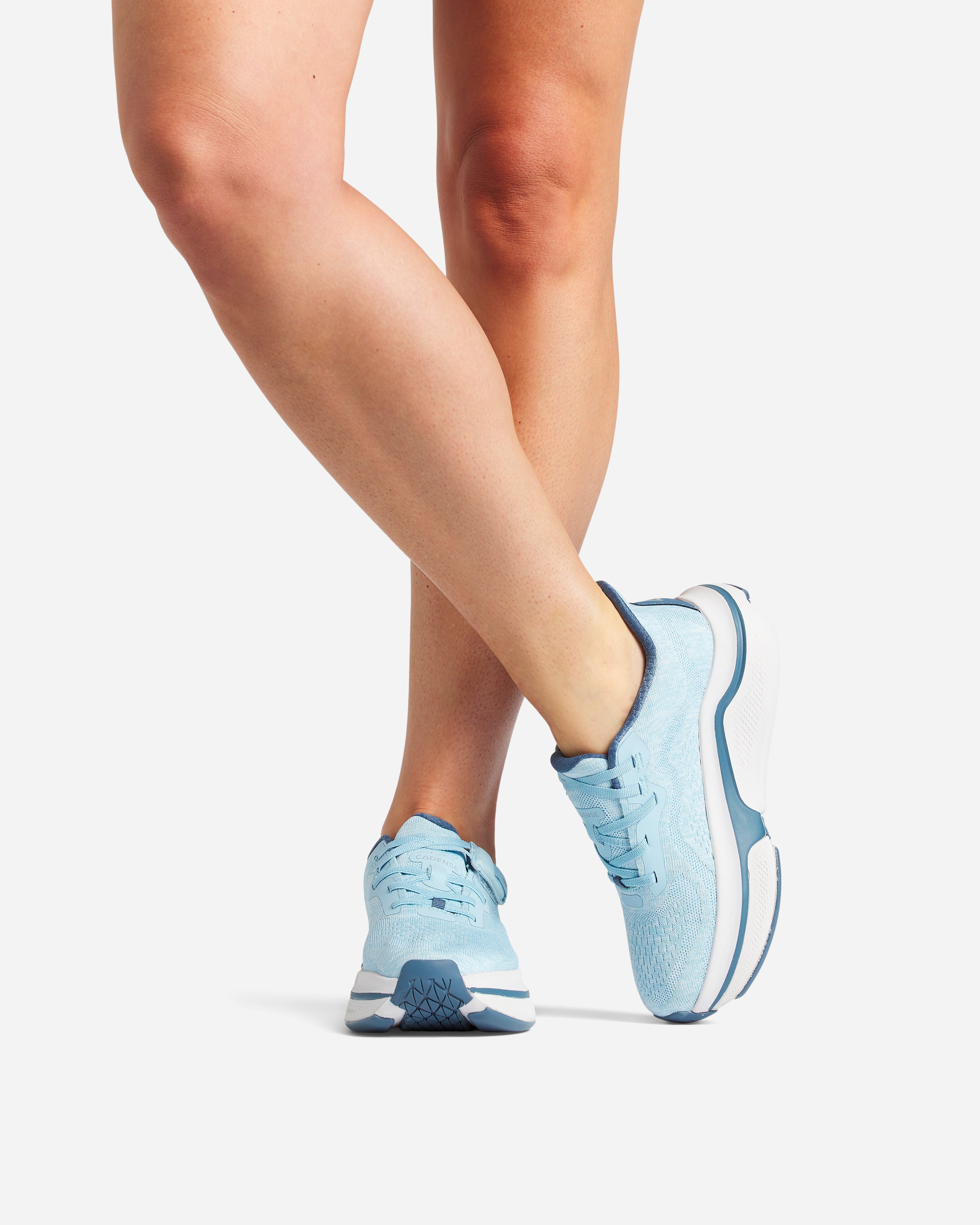
Modern adaptive trainers — including those from Cadense — are designed differently.
They offer:
-
Contemporary, everyday styling
-
Sleek silhouettes comparable to mainstream trainers
-
Colours and materials that feel normal, not medical
When people feel confident in how their trainers look, they’re more likely to wear them consistently — which directly improves mobility outcomes.
9. Support That Adapts Over Time
Mobility needs can evolve with therapy progress, growth, and daily activity. The best trainers support these changes through adjustable or modular design, including:
-
Removable or replaceable insoles
-
Adjustable straps
-
Stretchable uppers
-
Adaptive depth for orthotic use
Footwear should adapt to the person — not the other way around.
Walking Towards Confidence and Independence
Choosing the best trainers for someone with cerebral palsy is about far more than selecting the “right size.” Each design element — from heel stability to closure style — plays a role in supporting safe, confident movement.
When trainers are:
-
Stable
-
Flexible
-
AFO-friendly
-
Lightweight
-
Easy to get on and off
…they do more than support the foot. They support independence, dignity, and participation in everyday life.
Cadense adaptive trainers blend clinical insight with modern, human-centred design — helping every step feel more natural and every day feel more achievable.
Shop Cadense UK Adaptive Trainers now →

,%20walking%20isn%E2%80%99t%20just%20a%20daily%20task%20%E2%80%94%20it%E2%80%99s%20a%20complex%20physical%20effort%20involving%20balance,%20coordination,%20and%20muscle%20control.%20Every%20step%20requires%20intention,%20and%20...)