
The Everyday Challenges AFO-Friendly Trainers Help Solve

If you wear an ankle–foot orthosis (AFO), you’ll know how difficult it can be to find trainers that fit comfortably, look good, and don’t make walking more tiring than it needs to be. Most everyday footwear simply isn’t designed to accommodate a brace, and what is available has often been bulky, restrictive, or overly “medical” in appearance. From poor fit to painful pressure points, the search for the right pair can quickly become overwhelming.
AFO-friendly trainers are designed to change that. They offer comfort, stability, and ease of use, without asking you to compromise on style or everyday independence. Before looking at what makes these trainers different, it’s worth recognising the daily challenges they’re made to solve.
What Daily Struggles Do AFO Wearers Face?
An AFO can significantly improve safety and stability, but it also introduces new mobility considerations. Many people describe these common frustrations:
-
Difficulty finding trainers that fit: Standard footwear is often too tight around the instep or ankle where the brace adds bulk.
-
Pain or hot spots: An AFO can cause pressure and friction inside regular trainers, leading to blisters or discomfort.
-
Limited style choices: Many AFO-compatible shoes have historically looked clinical or old-fashioned.
-
Hard to put on and take off: Laces can be difficult to manage, particularly for those with reduced hand strength or dexterity.
-
Reduced balance and stability: If a shoe doesn’t fit the brace properly, weight distribution becomes uneven, making walking feel unsteady or tiring.
These issues affect not just mobility, but also confidence, independence, and comfort throughout the day. That’s why AFO-friendly trainers have become such an important development.
How AFO-Friendly Trainers Solve These Everyday Problems
Modern adaptive trainers blend practical design with comfort and style. Every detail serves a purpose — addressing a specific challenge faced by AFO users.
1. Wider Openings for Easy On and Off
One of the most common struggles is simply getting trainers on. AFO-friendly designs often include side zips, wider openings, or stretchable uppers, making it far easier to slide your brace into place without strain.
2. Roomier Fit Without Extra Bulk
These trainers offer additional depth and a wider toe box to comfortably accommodate the AFO, while still holding the foot securely. This prevents rubbing, pinching, and the discomfort often caused by standard footwear.
3. Supportive, Stable Base
Adaptive trainers usually include firm heel counters and supportive midsoles that help promote better alignment and distribute weight more evenly. This helps reduce fatigue and encourages steadier steps.
4. Lightweight, Flexible Soles
Despite the added support, AFO-friendly trainers are typically lightweight — an essential feature for people who tire easily or experience muscle weakness. Flexible soles help promote a more natural gait, working with your brace rather than against it.
5. Modern, Everyday Style
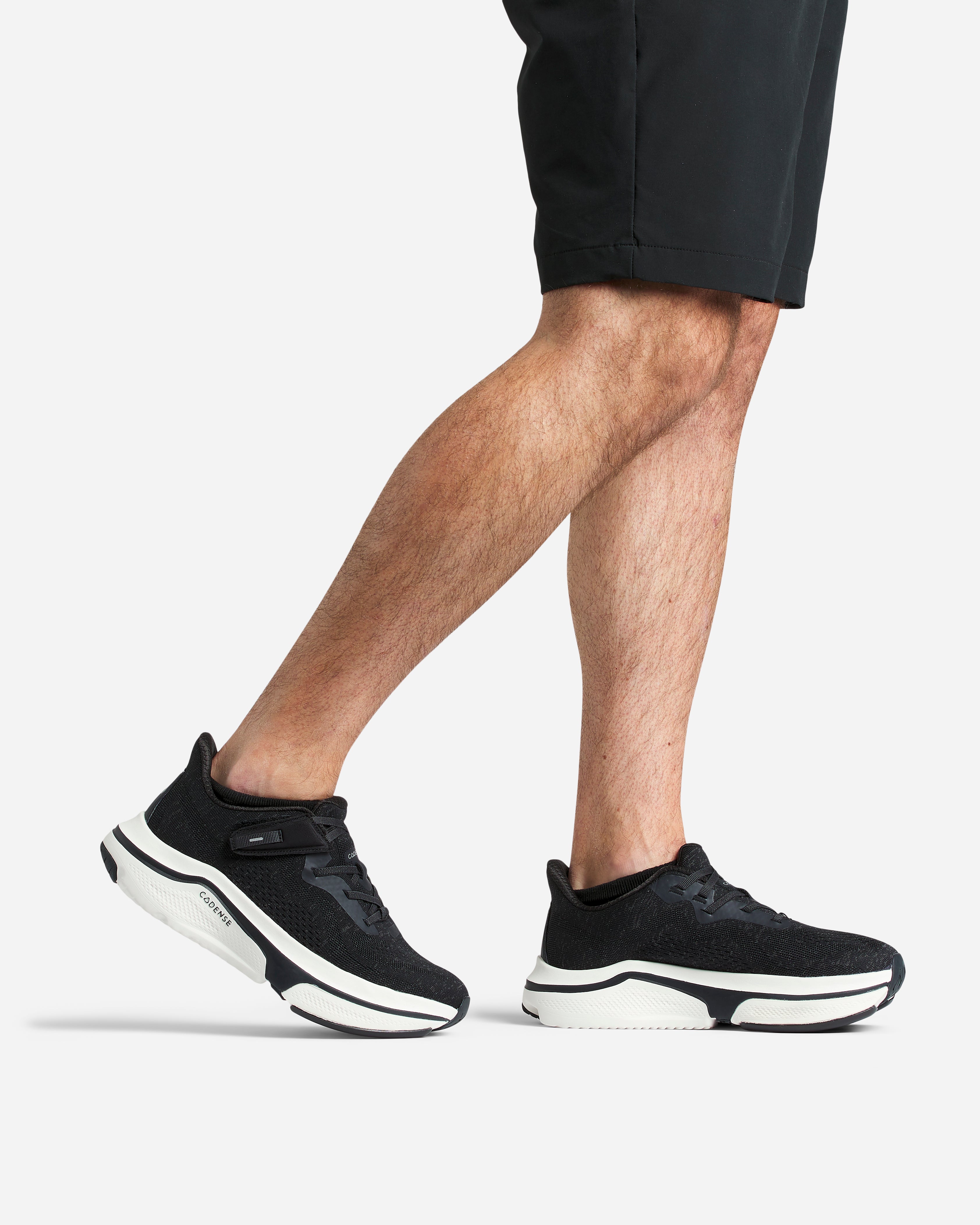
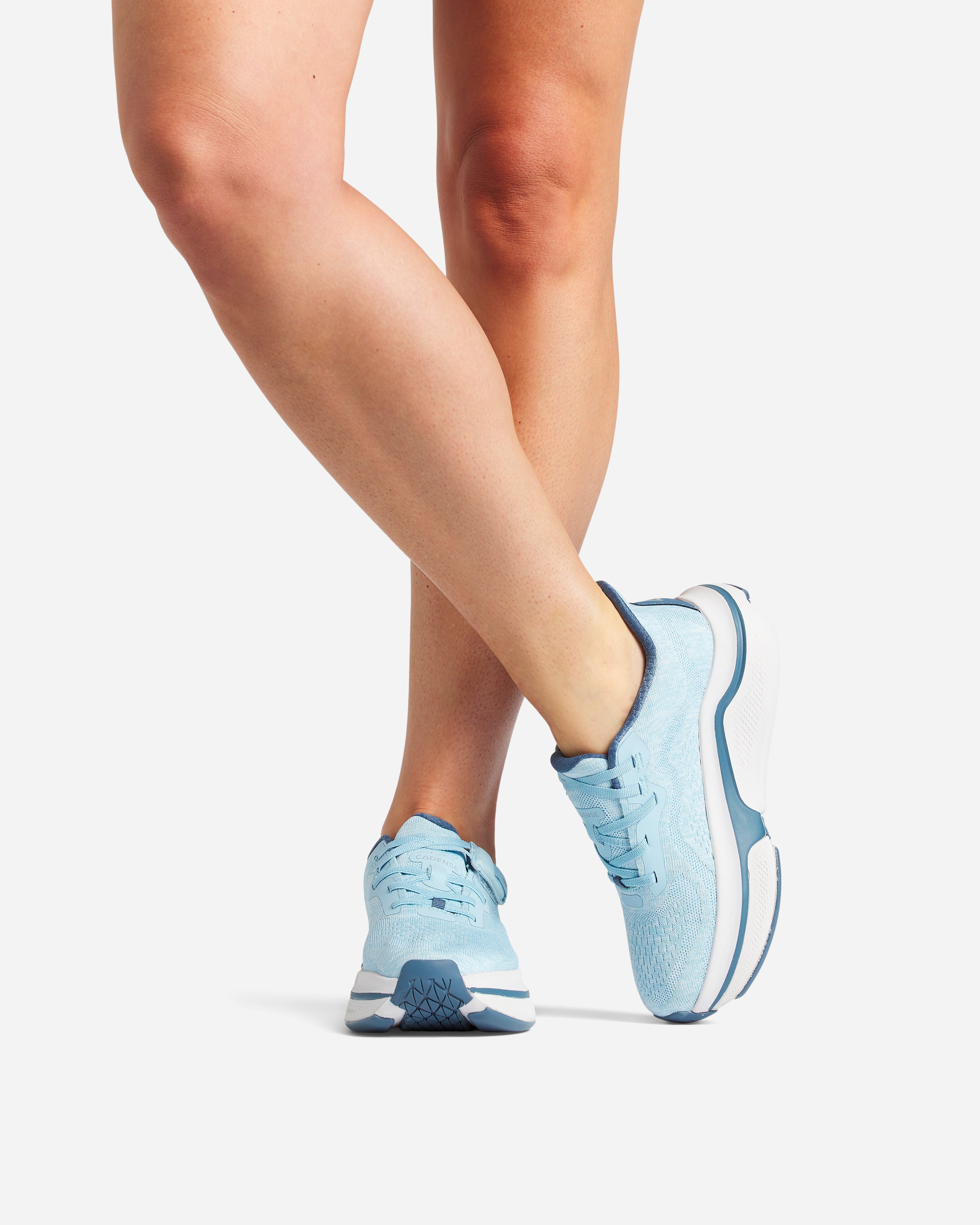
Today’s adaptive footwear no longer looks clinical. AFO-friendly trainers are available in modern, versatile designs that look like everyday casual footwear — helping you feel more confident and comfortable in what you wear.
Real-World Example: How the Right Trainers Transform Daily Life
Take Jane, a teaching assistant who developed foot drop following a stroke. Her AFO provided crucial support, but she struggled daily with traditional trainers — squeezing her brace into shoes not designed for it, battling laces, and dealing with constant pressure and discomfort.
After switching to adaptive trainers with a wide toe box and easy side-zip entry, her routine changed completely. Getting ready in the morning became quick and stress-free, and she could walk confidently around her classroom without worrying about tripping or rubbing.
Her experience shows how the right trainers can do more than improve mobility — they can restore independence.
How AFO-Friendly Trainers Improve Mobility and Confidence
The benefits extend well beyond comfort.
Better Balance and Posture
A stable, supportive sole helps reduce uneven weight shifts and encourages better alignment.
Less Pain and Pressure
Soft, cushioned interiors and smooth linings reduce friction, helping prevent pressure points and irritation.
Improved Confidence
When trainers fit properly and feel secure, you naturally move with greater assurance — whether you’re at home, at work, or out in the community.
More Independence
Adaptive features like side zips, stretchable materials, and wider openings allow you to put your trainers on independently — a small change that makes a big difference to daily autonomy.

What to Look for When Choosing AFO-Friendly Trainers
Physiotherapists and mobility specialists often recommend the following features:
-
Wide entry points such as side zips or stretch openings
-
Additional depth to fit the brace comfortably
-
Lightweight, non-slip sole for stability
-
Firm heel cup for better alignment
-
Cushioned interior to reduce pressure
-
Supportive yet flexible midsole for smooth steps
Small design details add up to a major improvement in comfort and mobility.
Why the Right Trainers Matter for Long-Term Health
Poorly fitting footwear can lead to secondary issues such as knee pain, back strain, and imbalance. Over time, the right pair of AFO-friendly trainers helps:
-
Maintain healthy posture
-
Reduce joint strain
-
Prevent falls
-
Support long-term mobility
-
Encourage greater daily activity
Adaptive trainers from brands like Cadense are designed with these long-term benefits in mind — blending clinical insight with real-life usability.
Walk with Confidence Again
Wearing an AFO shouldn’t mean compromising your comfort, confidence, or style. The right pair of AFO-friendly trainers can make everyday life smoother — from the moment you get dressed to the last steps of your day.
,%20you%E2%80%99ll%20know%20how%20difficult%20it%20can%20be%20to%20find%20trainers%20that%20fit%20comfortably,%20look%20good,%20and%20don%E2%80%99t%20make%20walking%20more%20tiring%20than%20it%20needs%20to%20be.%20Most%20everyda...)