
How AFO-Compatible Trainers Help You Walk with Confidence

For many people who wear an Ankle Foot Orthosis (AFO), finding trainers that fit comfortably, feel supportive, and still look stylish can be an everyday struggle. Standard footwear rarely accommodates the brace’s shape or size, leading to rubbing, pressure points, frustration, and reduced mobility.
Modern AFO-compatible trainers are built to solve these challenges. Today’s adaptive designs blend clinical function with thoughtful, everyday style — helping you move with greater stability, confidence, and independence.
Here’s how the right trainers can make such a meaningful difference.
Why the Right Footwear Matters When Wearing an AFO
An AFO supports the ankle and foot by improving alignment, stability, and gait pattern. But these benefits are limited if you pair the brace with trainers that don’t fit the device properly.
Ill-fitting footwear can cause:
-
Pinching and pressure points
-
Loss of balance or uneven weight distribution
-
Excessive wear to the shoe
-
Difficulty getting the brace into the trainer
-
Reduced confidence when walking
AFO-compatible trainers are specifically engineered to address these issues. They give the orthosis the space it needs, while also supporting a more natural, comfortable walking motion.
Design Features That Make a Real Difference
Modern adaptive trainers are far more advanced than simply offering “extra width.” These are purpose-built designs influenced by biomechanics and real-world mobility needs.
1. Wider and Deeper Toe Boxes
AFOs take up additional space inside the trainer. A deep, spacious toe box prevents crowding, reduces friction, and helps your toes move naturally during walking.
2. Extended Zips or Adjustable Closures
Full-length openings, long zips, or hook-and-loop straps allow you to slide your foot and brace in without forcing or twisting — ideal for anyone with reduced hand strength or flexibility.
3. Firm Heel Counters & Supportive Midsoles
A stable heel helps keep the AFO securely positioned. Supportive midsoles distribute weight evenly, smoothing out each step and reducing fatigue.
4. Lightweight, Flexible Materials
Gone are the days of bulky, heavy orthopaedic shoes. Modern adaptive trainers use lightweight, flexible materials that support movement without adding unnecessary weight.
5. Slip-Resistant Outsoles
Good traction is essential for balance, especially on smooth indoor floors or uneven pavements. Adaptive soles help reduce slips, trips, and falls.
Real-World Benefits: From Frustration to Freedom
The right trainers can completely transform how you walk with an AFO.
Imagine being able to:
-
Walk with confidence, knowing your trainers fit securely around your brace
-
Put your shoes on independently without struggling
-
Stay on your feet longer without rubbing or pressure points
-
Feel stable and supported on different surfaces
Many people describe an immediate improvement after switching to proper adaptive footwear. Their gait feels smoother, their posture improves, and daily tasks become less physically and mentally draining.
How AFO-Compatible Trainers Improve Balance & Energy Levels
When your trainers work with your brace rather than against it, your body doesn’t need to compensate with extra effort. This can:
-
Improve balance and reduce wobbling
-
Encourage a more natural heel-to-toe gait
-
Reduce strain on the knees, hips, and lower back
-
Conserve energy throughout the day
Physiotherapists frequently observe faster progress in mobility training when patients wear trainers specifically designed for AFO use.

Modern Style Without the “Medical” Look
AFO-friendly footwear used to be extremely clinical in appearance. That has changed.
Today’s adaptive trainers:
-
Look modern and casual
-
Come in versatile colours
-
Blend seamlessly into everyday wardrobes
-
Feel like “normal trainers” rather than medical equipment
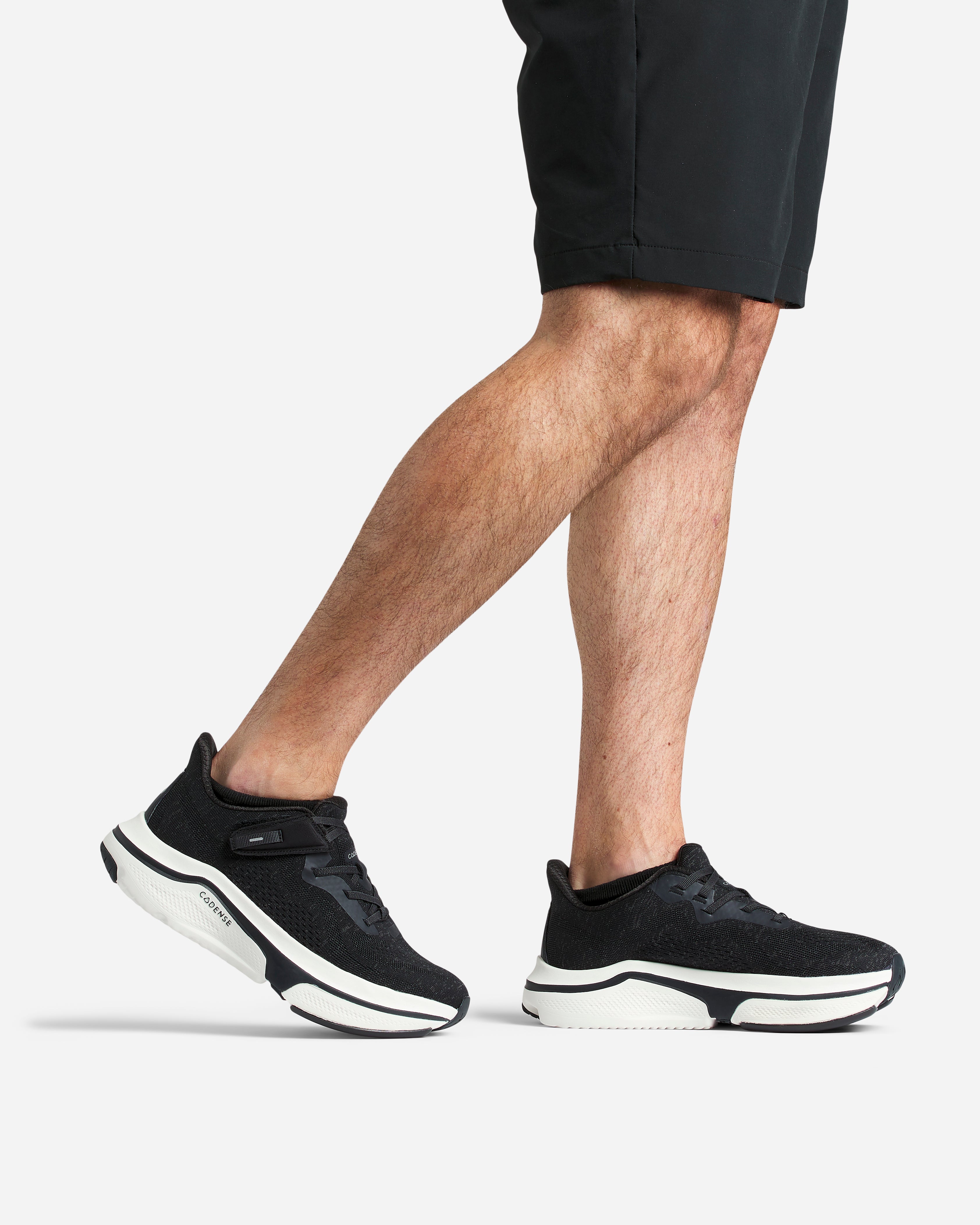
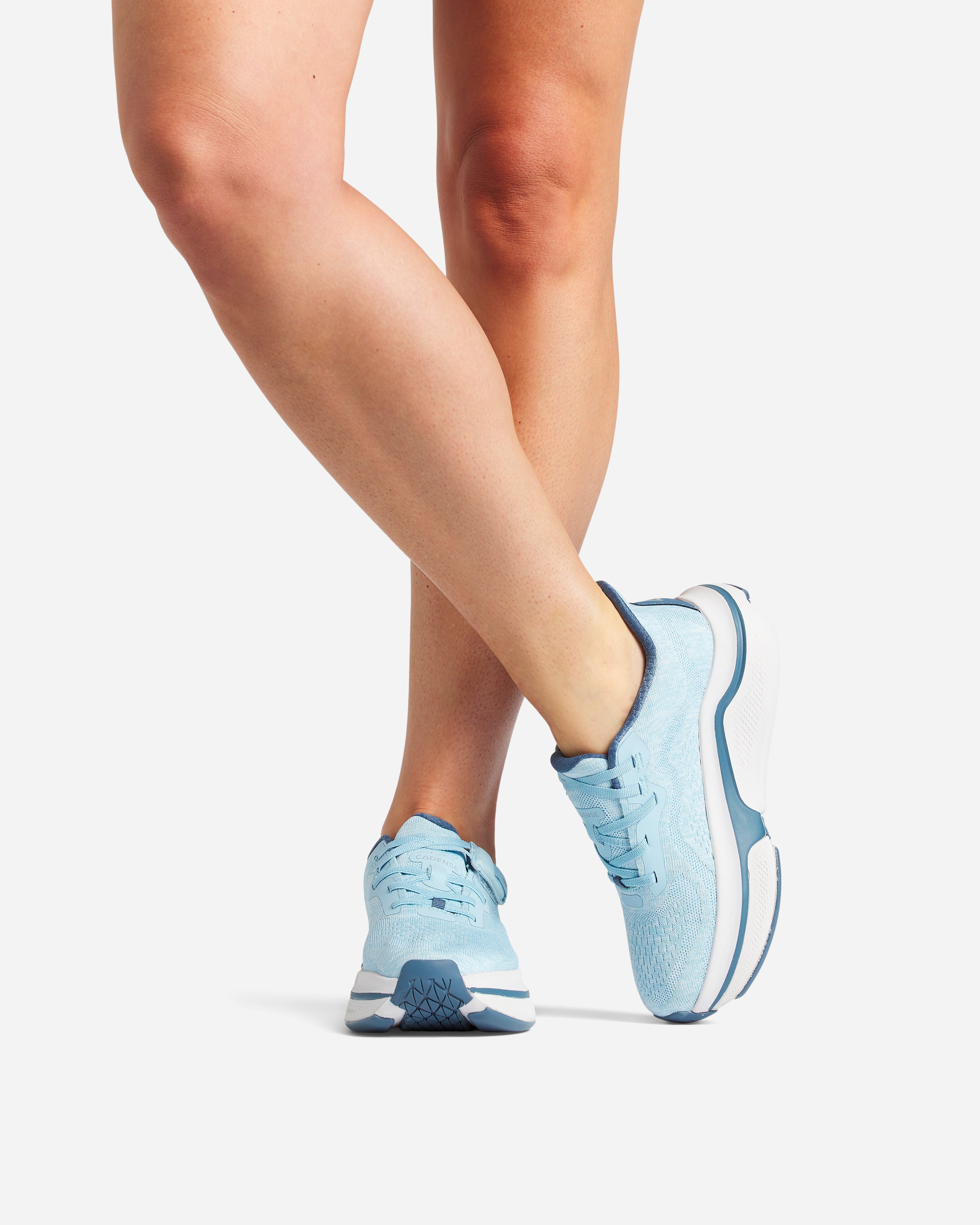
Cadense is part of this shift — focusing on trainers that meet clinical needs while still offering comfort, dignity, and everyday wearability.
Tips for Choosing the Right AFO-Compatible Trainers
When shopping for AFO-friendly trainers, keep these guidelines in mind:
-
Always measure your feet while wearing the brace — sizing can change significantly.
-
Look for removable insoles to create extra depth if needed.
-
Choose flexible materials around the instep and ankle.
-
Prioritise easy-entry designs, such as wide-opening zips.
-
Try trainers on later in the day, when swelling is more likely.
-
Ask your physiotherapist or orthotist for input — they know which features work best for your type of AFO.
Walking Towards Confidence
Living with an AFO shouldn’t limit your movement — or your sense of style. The right trainers can transform how you feel, how you walk, and how confidently you approach each day.
Modern AFO-compatible trainers are designed to restore comfort, stability, and independence — one confident step at a time.


,%20finding%20trainers%20that%20fit%20comfortably,%20feel%20supportive,%20and%20still%20look%20stylish%20can%20be%20an%20everyday%20struggle.%20Standard%20footwear%20rarely%20accommod...)