What Makes Adaptive Trainers for Foot Drop Clinically Effective
 When supporting patients with foot drop to regain balance, mobility, and confidence, footwear is often underestimated. Yet for physiotherapists, the right pair of trainers can be just as important as any exercise, assistive device, or gait cueing strategy. Adaptive trainers for foot drop are designed with clinical purpose in mind — and every detail plays a role in improving gait safety and promoting independence.
Here’s a closer look at the design features that make adaptive trainers not only comfortable, but genuinely clinically effective for managing foot drop.
A Stable Foundation for Safer Steps
Foot drop affects a person’s ability to lift the front of the foot, increasing the likelihood of dragging, tripping, or catching uneven surfaces. Adaptive trainers address this challenge with:
-
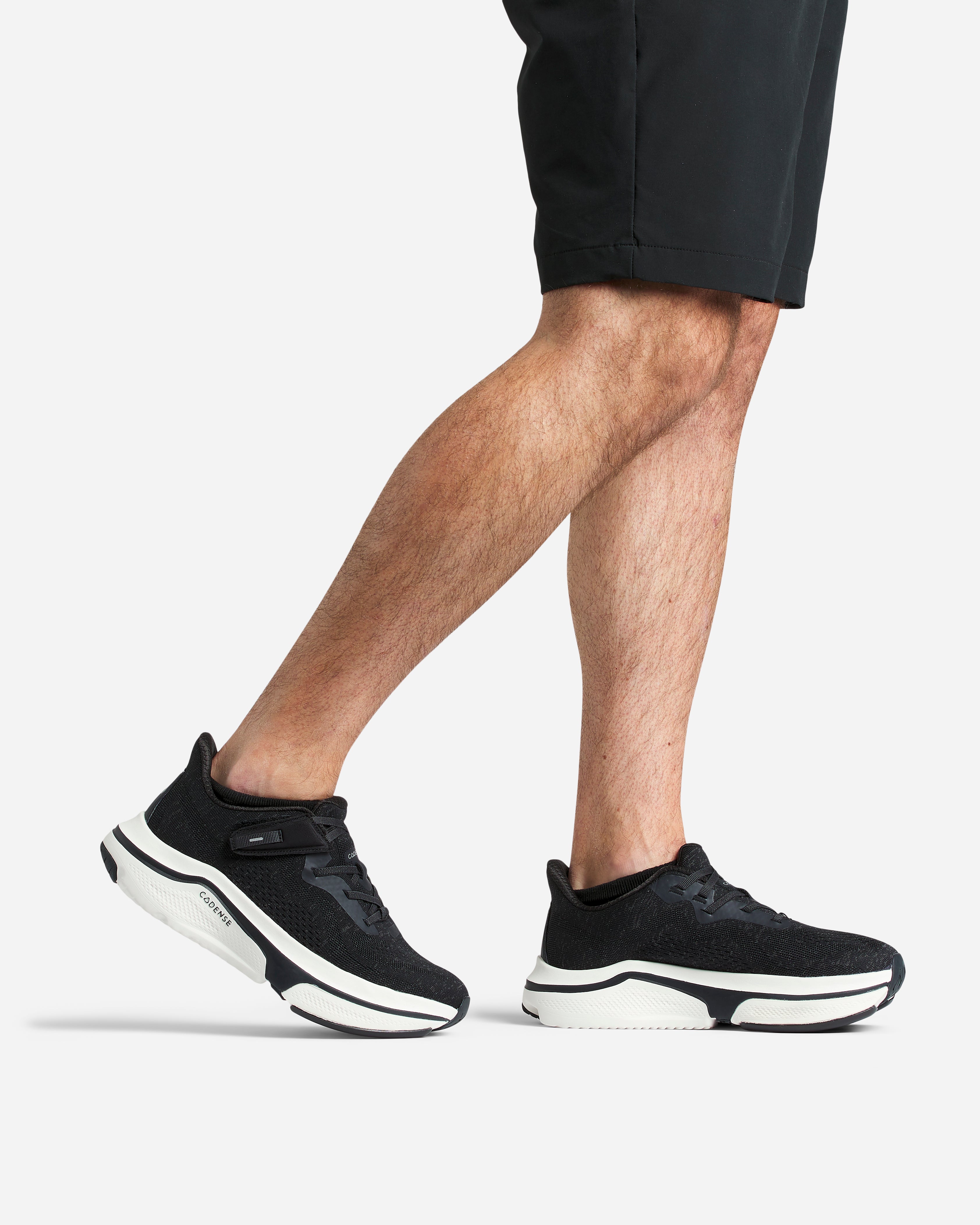
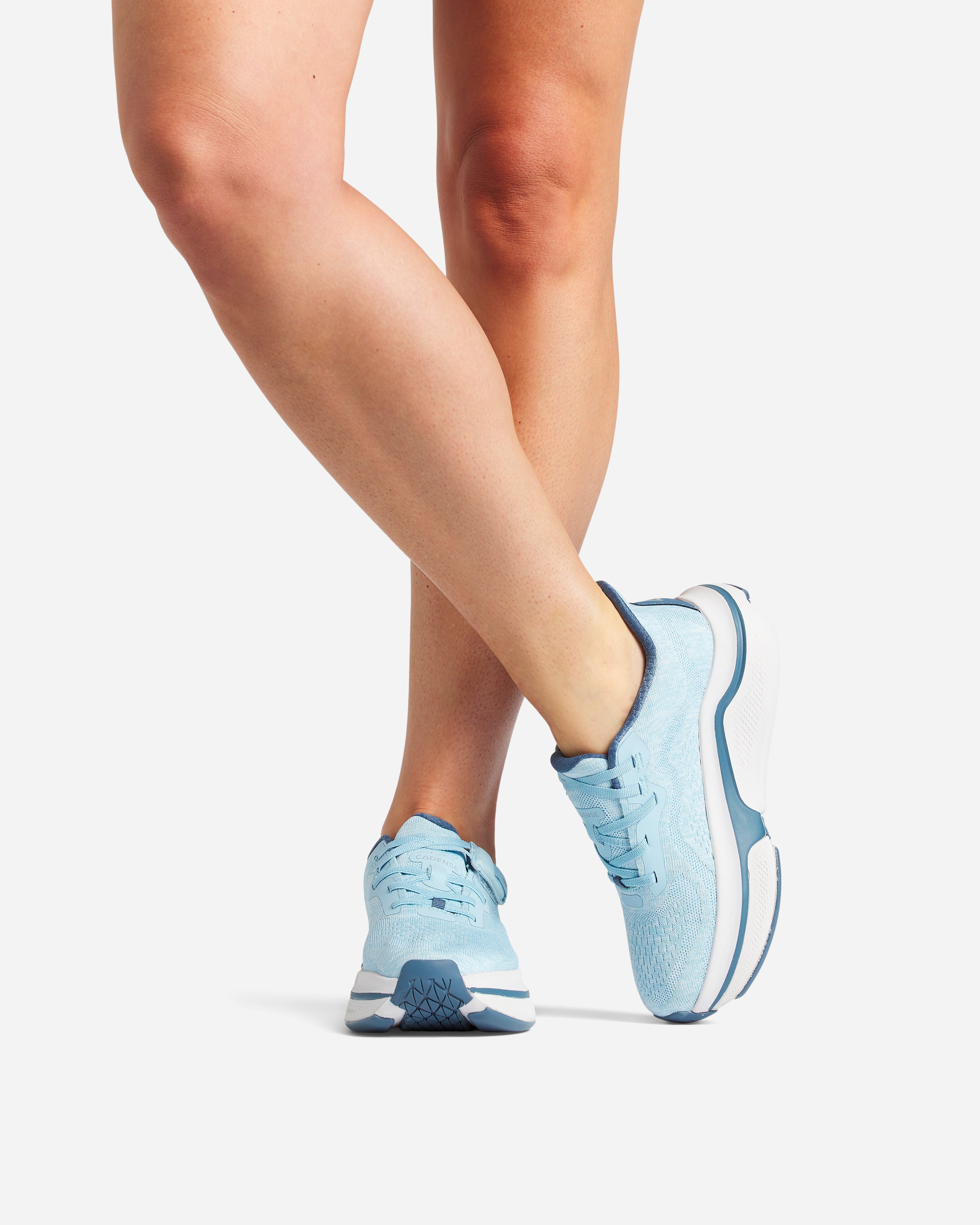
Rocker or gently curved soles that guide a smoother heel-to-toe transition
-
Reinforced heel counters that support alignment and reduce wobbling
Together, these features help minimise stumbling risk and encourage forward momentum — essential for gait retraining in physiotherapy. By supporting a more natural stride, adaptive trainers reduce the need for overcompensation in the hips or knees.
For physiotherapists, this means a smoother, more efficient gait cycle and fewer interruptions during balance and mobility exercises.
Lightweight Support Without Compromise
Many people living with foot drop rely on AFOs or other orthotic supports, which can make standard footwear difficult to accommodate. Adaptive trainers are built with:
-
Wider openings and extra depth
-
Flexible uppers that contour around braces
-
Lightweight construction to reduce fatigue
-
Supportive, structured bases to maintain stability
This blend of structure and flexibility allows patients to stay active for longer in therapy sessions and makes adherence to at-home mobility routines more achievable.
Easy Entry to Promote Independence
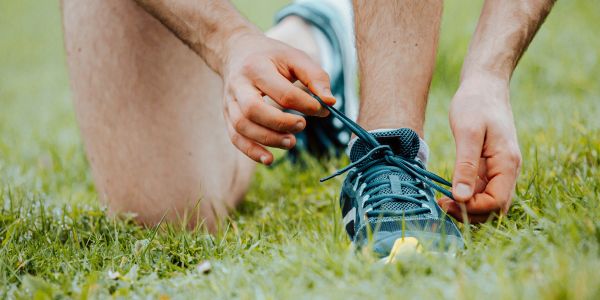
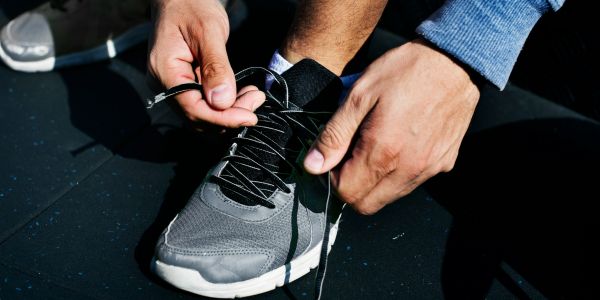
Foot drop often coincides with reduced hand strength or dexterity, making traditional laces difficult to manage. Adaptive trainers solve this with:
-
Wide-opening designs
-
Adjustable straps
-
Magnetic or hook-and-loop fastenings
These features allow patients to put trainers on and take them off independently — a meaningful functional goal in rehabilitation.
For physiotherapists, promoting this independence reinforces self-confidence and supports everyday autonomy.

Targeted Cushioning and Pressure Relief
Foot drop can cause uneven weight distribution during gait, leading to discomfort, rubbing, or skin irritation. Adaptive trainers include:
-
Strategic cushioning zones
-
Pressure-relieving insoles
-
Support to maintain foot alignment
This reduces secondary issues such as joint strain or compensatory gait patterns, helping patients progress more consistently across physiotherapy sessions.
Traction That Supports Balance Work
Balance is a critical focus in foot drop rehabilitation. Adaptive trainers use:
-
Slip-resistant outsoles to help prevent slips and falls
-
Flexible sole design that maintains proprioceptive feedback
Where overly stiff soles can interfere with sensory feedback, adaptive trainers strike the balance between grip and natural movement — ideal for gait and balance retraining programmes.
Clinically Minded, Human-Centred Design
What truly sets adaptive trainers apart is their blend of clinical support and everyday usability. Every design decision — from midsole structure to upper flexibility — is engineered to aid mobility without appearing clinical or “orthopaedic.”
For physiotherapists, this means recommending footwear that patients will actually wear outside the clinic. Consistency supports progress, and the more comfortable and discreet the footwear, the greater the likelihood of ongoing use.
Why Physiotherapists Recommend Adaptive Trainers
Physiotherapists know that progress in rehabilitation relies on small, consistent wins. Adaptive trainers for foot drop contribute meaningfully to this by helping:
-
Reduce fatigue and discomfort during mobility work
-
Improve compliance with home exercise and gait practice
-
Support proper foot mechanics and alignment
-
Promote safer, more independent movement at home
When combined with targeted physiotherapy, the right footwear can help patients transfer gains from the clinic into their daily routines.
Explore Adaptive Footwear That Supports Rehabilitation
For people living with foot drop, every design detail matters. Adaptive trainers go beyond appearance — they are functional rehabilitation tools that support movement, comfort, and confidence. For physiotherapists, recommending appropriate footwear is another way to help patients regain independence and walk with assurance.
Explore clinically designed adaptive footwear at Cadense UK.