
Tips for Seniors to Reduce the Risk of Slips, Trips, and Falls Every Day
Slips, trips, and falls are a leading cause of injury among seniors. Even minor accidents can lead to fractures, sprains, or a loss of confidence in daily movement. The good news is that simple, practical steps can help reduce these risks and make walking safer.
A combination of supportive footwear, exercises, and home or outdoor adjustments can improve balance, stability, and confidence. These strategies empower seniors to stay active and maintain independence whilst reducing the chance of accidents.
Why Are Seniors at Higher Risk for Slips, Trips, and Falls?
As we age, several factors can increase the likelihood of falls:
-
Muscle weakness and reduced balance — ageing muscles and slower reflexes can make it harder to recover from a misstep
-
Joint stiffness or arthritis — reduced mobility can affect stability
-
Changes in vision — difficulty seeing uneven surfaces or obstacles increases trip risk
-
Medications — some medications can cause dizziness or lower alertness
-
Environmental hazards — cluttered walkways, loose rugs, and poor lighting create obstacles
Understanding these risks is the first step towards preventing accidents and maintaining safe movement.
How Can Footwear Help Reduce the Risk of Falls?
Supportive trainers are one of the simplest ways to prevent slips and trips. Seniors should look for footwear that:
-
Provides stability — firm soles and heel counters keep feet aligned
-
Fits well — avoid oversized trainers or tight-fitting trainers that can restrict movement
-
Supports balance — trainers designed for walking or adaptive trainers can help prevent ankle rolling
-
Works with braces or orthotics — for those using support devices, trainers must accommodate them comfortably
Good footwear reduces fatigue, improves confidence, and allows safer walking both indoors and outdoors.

What Exercises Can Improve Balance and Prevent Falls?
Strength, flexibility, and balance exercises can significantly reduce the risk of falls. Examples include:
-
Leg strengthening — sit-to-stand exercises, calf raises, and gentle squats improve leg power
-
Balance practice — standing on one foot, heel-to-toe walking, or using balance boards enhances stability
-
Core strength — simple seated or standing core exercises stabilise posture and improve walking mechanics
-
Flexibility movements — stretching calves, hamstrings, and ankles increases mobility and reduces stiffness
Even a few minutes daily can help maintain muscle function, coordination, and confidence in walking.
How Can Home Adjustments Reduce Fall Risks?
Modifying the home environment is essential for daily safety. Seniors should consider:
-
Clear pathways — remove clutter, cords, or loose rugs from walkways
-
Improve lighting — ensure hallways, staircases, and entrances are well-lit
-
Add handrails and grab rails — bathrooms, stairs, and entrances benefit from extra support
-
Non-slip mats — place them in areas prone to wetness like bathrooms and kitchens
-
Stable furniture — use chairs with armrests and tables that provide extra support if needed
These adjustments can prevent accidents before they happen and make daily movement more comfortable.
How Can the Outdoors Be Made Safer?
Slips and trips don't only happen indoors. Outdoors, seniors should:
-
Watch for uneven surfaces — be cautious on cracked pavements or uneven terrain
-
Wear appropriate footwear — trainers with grip and stability reduce the risk of slipping on wet or rough surfaces
-
Use mobility aids if needed — walking sticks or frames can provide extra support when walking longer distances
-
Stay alert — avoid distractions like phone use whilst walking, especially in busy areas
Taking these precautions outdoors ensures seniors remain active whilst staying safe.
When to Seek Professional Help
If a senior experiences frequent unsteadiness, dizziness, or falls, professional guidance may help. Physiotherapists can:
-
Assess balance and gait
-
Recommend targeted exercises
-
Suggest proper footwear or orthotics
-
Provide strategies to prevent falls at home and outdoors
Early intervention can prevent accidents, improve mobility, and restore confidence in daily walking.
Explore More From Cadense
Falls can be life-changing, but many are preventable with simple, daily strategies. Supportive footwear, balance exercises, and environmental adjustments all work together to reduce the risk of slips, trips, and falls for seniors.
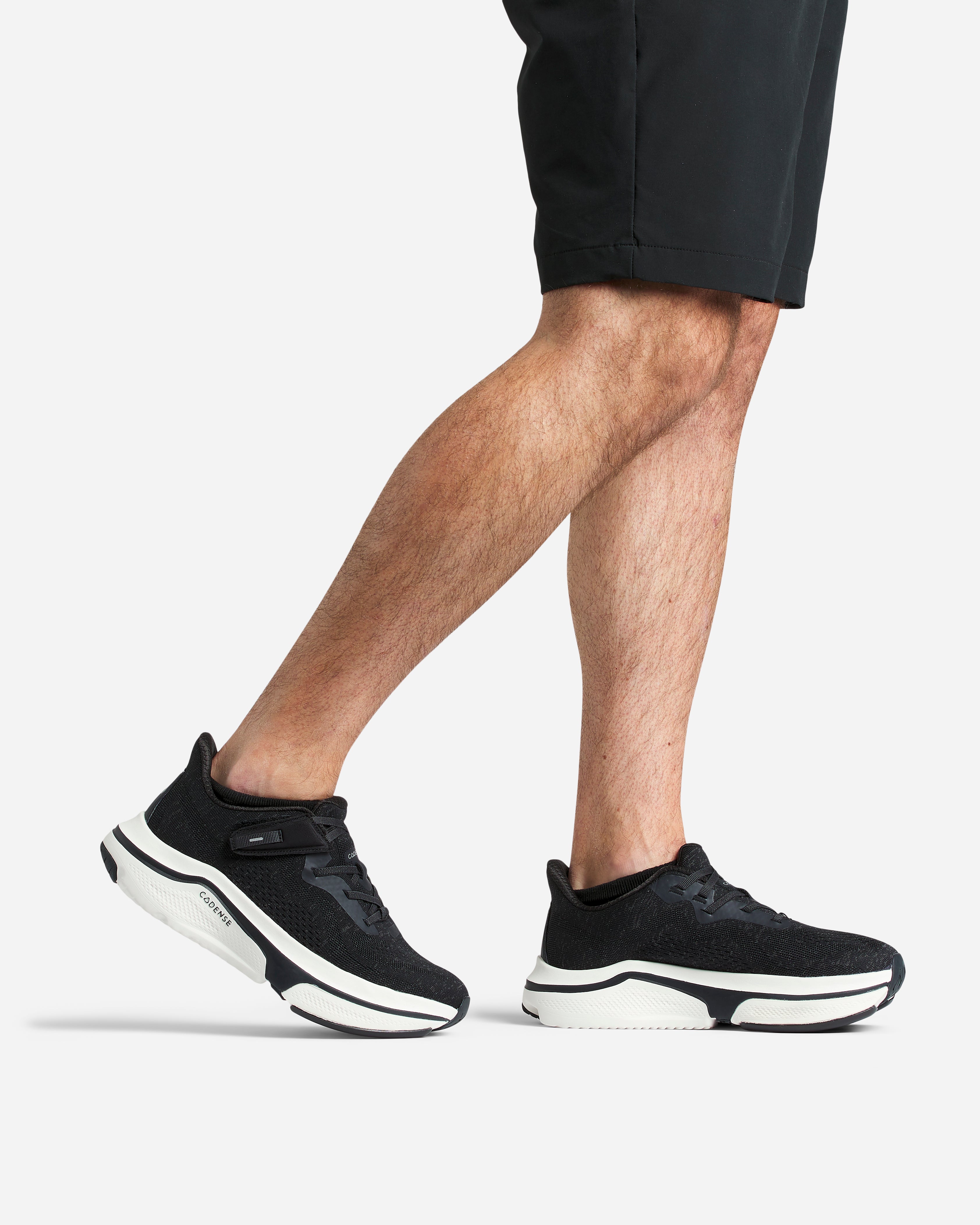
Explore Cadense adaptive trainers at cadense.co.uk to find footwear designed to support safe, stable walking every day.