
What Bilateral Foot Drop Means and How It Affects Walking
Bilateral foot drop occurs when both feet have difficulty lifting at the front during walking. While typical foot drop affects one side, bilateral cases can make movement more demanding and increase the risk of trips, slips and falls.
When both feet are involved, everyday walking may feel heavier and less stable. You might notice your toes catching the ground more frequently, difficulty managing stairs or uneven pavements, or fatigue from compensating with higher steps. Over time, this can reduce confidence and make independent movement feel more challenging.
Recognising the condition early allows you to seek appropriate support and reduce the likelihood of accidents.
What Causes Bilateral Foot Drop?
Bilateral foot drop is usually linked to conditions that affect nerves, muscles or neurological function on both sides of the body.
Neurological conditions such as multiple sclerosis or certain spinal cord disorders can interfere with the signals that control foot lift. Peripheral nerve conditions — including damage to both peroneal nerves — may also contribute. In some cases, muscle disorders or long-term metabolic conditions such as diabetes-related neuropathy can affect both feet simultaneously.
Understanding the underlying cause is essential. It determines whether management should focus primarily on physiotherapy, bracing, medical treatment, or a combination of approaches.
How Does Bilateral Foot Drop Affect Daily Mobility?
When both feet are affected, walking requires more effort and concentration. Many people develop a high-stepping gait to prevent their toes from catching the floor. Although this can reduce immediate tripping, it often leads to increased fatigue in the legs, hips and lower back.
Activities such as shopping, commuting, climbing stairs or walking on uneven ground may feel more tiring than before. Balance may also feel less predictable, particularly over longer distances.
Because both sides are involved, building strength and stability becomes especially important to maintain independence and safety.
How Can Physiotherapy and Bracing Help?
Physiotherapy plays a central role in managing bilateral foot drop. A physiotherapist will usually focus on strengthening the muscles responsible for lifting the foot, improving ankle stability, and refining walking patterns.
Targeted exercises can help improve control and coordination, while gait training supports more consistent stepping.
In many cases, ankle-foot orthoses (AFOs) are recommended. These braces hold the foot in a lifted position during walking, helping reduce toe drag and improve balance. Some people use AFOs short-term during recovery, while others benefit from longer-term use depending on the underlying condition.
When therapy and bracing are combined, they help address both muscle strength and immediate walking safety.

The Role of Adaptive Trainers
While trainers don’t treat the underlying cause of bilateral foot drop, they provide essential support during everyday movement.
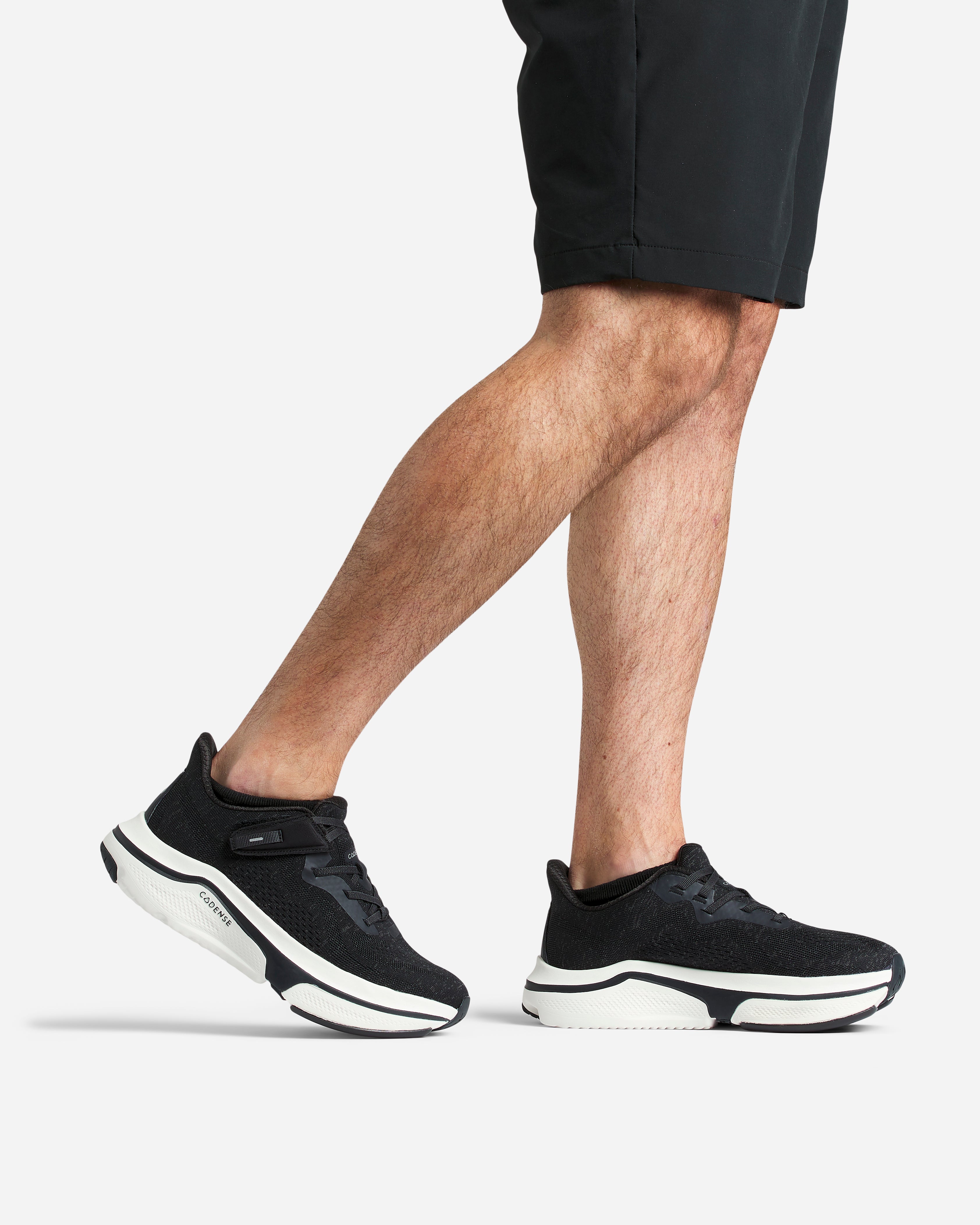
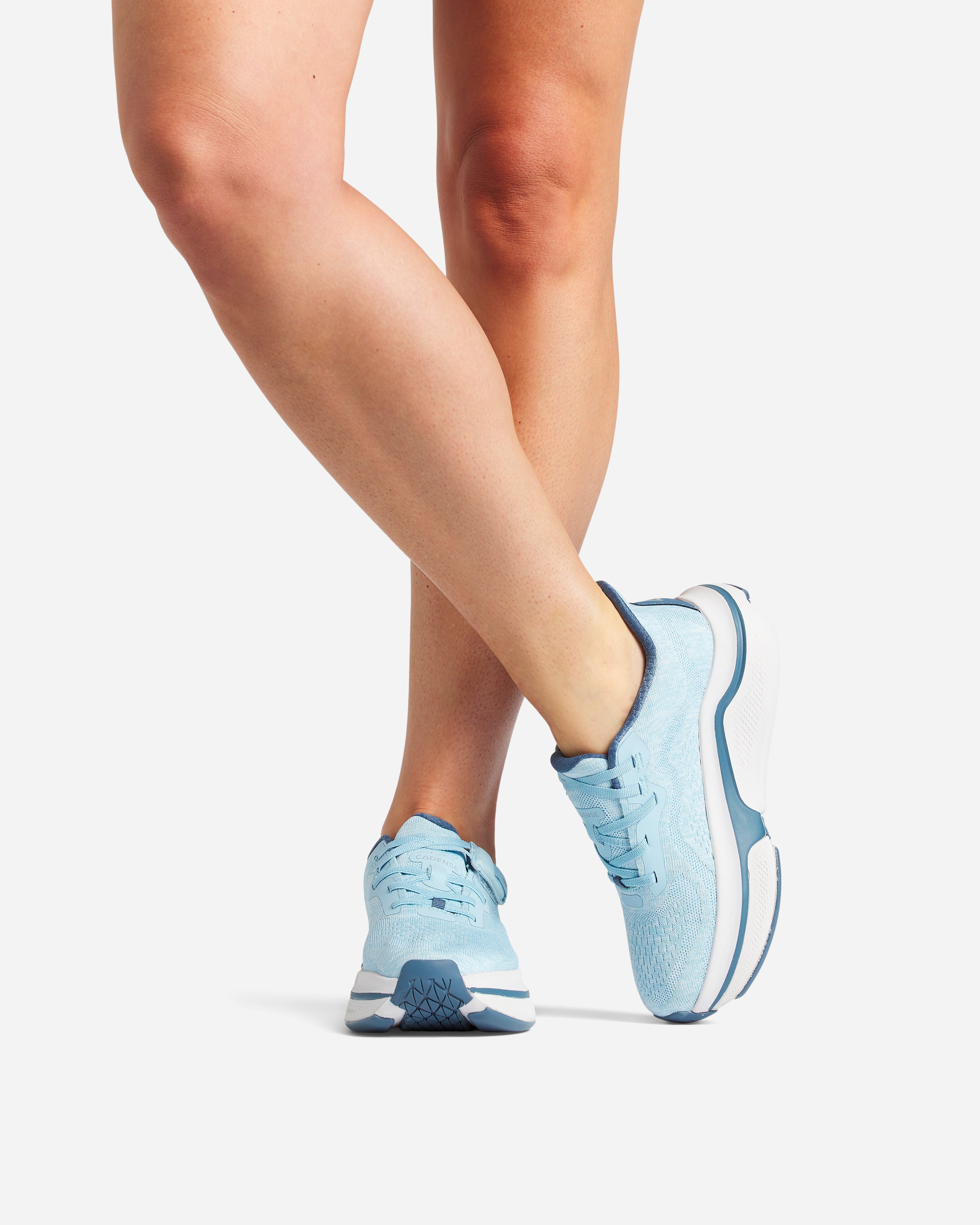
Cadense adaptive trainers are designed to complement both therapy and bracing. Their wide toe box supports balance and comfort, while the lightweight, flexible sole encourages more natural movement. The supportive fit works with or without an AFO, helping reduce fatigue and improve step stability. The easy on/off design also supports independence for daily wear.
When the right trainers are worn consistently, walking tends to feel steadier and less effortful, particularly over longer distances.
Supporting Mobility at Home
Managing bilateral foot drop requires consistency. Following your physiotherapy plan, wearing braces as advised, and choosing supportive trainers all contribute to safer movement.
It also helps to keep walking areas clear, use handrails where possible, and monitor any changes in balance or strength. Early adjustments can prevent setbacks and reduce fall risk.
Move with Greater Confidence
Bilateral foot drop can make walking more demanding, but with the right combination of physiotherapy, bracing and adaptive trainers, it’s possible to improve safety and maintain independence.
If you’re looking for trainers designed specifically to support mobility challenges, explore the Cadense UK collection at: