
What Causes a Drop Foot and How It Impacts Daily Walking
Drop foot, also known as foot drop, is a condition that makes it difficult to lift the front part of the foot while walking. This can affect balance, confidence, and overall mobility. For people living with drop foot, everyday movements such as walking across a room, climbing stairs, or stepping over small obstacles can become far more challenging than they used to be.
Understanding what causes a drop foot is important because it helps guide treatment, rehabilitation, and footwear choices. Early awareness and the right support can improve comfort, reduce fatigue, and help prevent accidents, trips, slips, and falls in daily life.
What Are the Most Common Causes of Drop Foot?
Drop foot occurs when the muscles that lift the foot are weakened or the nerves controlling them are disrupted. Some of the most common causes include:
Nerve injuries
Damage to the peroneal nerve — which controls the muscles responsible for lifting the foot — is one of the most frequent causes. This can happen due to injury, surgery, or prolonged pressure around the knee. Even mild nerve damage can lead to noticeable changes in walking.
Neurological conditions
Conditions such as stroke, multiple sclerosis, cerebral palsy, and Parkinson’s disease can interfere with the brain’s ability to send clear signals to the muscles of the foot and ankle. This disruption often results in reduced toe lift and altered walking patterns.
Muscle weakness
Weakness in the lower leg or ankle muscles can prevent the foot from lifting properly during walking. This may develop following injury, periods of immobility, or as part of neuromuscular conditions.
Spinal cord or brain injuries
Injuries affecting the central nervous system can disrupt communication between the brain and the muscles that control foot movement, leading to difficulty lifting the foot.
Peripheral neuropathy
Nerve damage caused by conditions such as diabetes can reduce sensation and muscle control in the feet, increasing the likelihood of developing drop foot over time.
Although the underlying causes vary, the outcome is often similar: reduced control of foot lift, altered walking mechanics, and a higher risk of accidents.
How Drop Foot Affects Daily Walking
Drop foot changes the way the body moves, often in subtle ways that can worsen if left unsupported. Common effects on walking include:
-
Toe dragging, where the front of the foot scrapes the ground, increasing the risk of catching on rugs, thresholds, or uneven pavements
-
High-stepping gait (sometimes called a steppage gait), where the knee lifts higher to avoid dragging, leading to increased fatigue
-
Shortened or uneven stride, making walking feel less smooth and more effortful
-
Reduced balance, particularly when standing still, turning, or walking on uneven surfaces
-
Foot discomfort and tiredness, especially when wearing trainers that don’t accommodate drop foot
These challenges highlight why supportive footwear is an essential part of managing drop foot, alongside physiotherapy or braces.
How Footwear Can Support People with Drop Foot
Even when the underlying cause of drop foot is being treated, the right trainers can make a meaningful difference to comfort and safety. Trainers designed for drop foot focus on stability, ease of movement, and confidence.
Important features to look for include:
-
Wide toe box to accommodate the foot and any brace without pressure
-
Lightweight, flexible soles to promote natural movement and reduce effort
-
Supportive fit to help stabilise the foot while walking
-
Easy on/off design to simplify daily wear, especially for those with limited mobility or dexterity
-
Breathable materials to improve comfort during longer periods of walking
Supportive trainers work alongside physiotherapy or AFO braces to improve walking efficiency and help reduce the risk of accidents, trips, slips, and falls.

How Cadense Trainers Help with Drop Foot
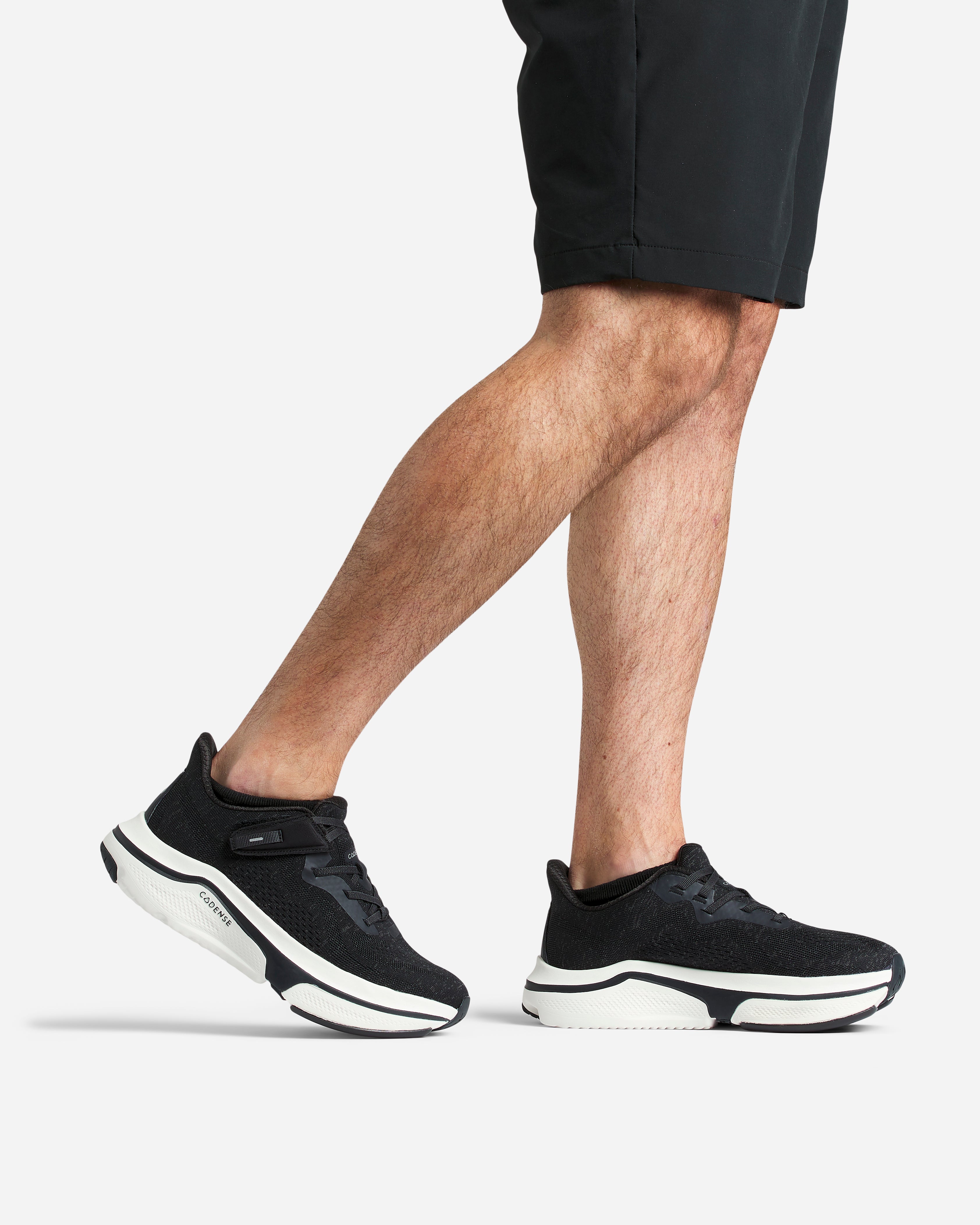
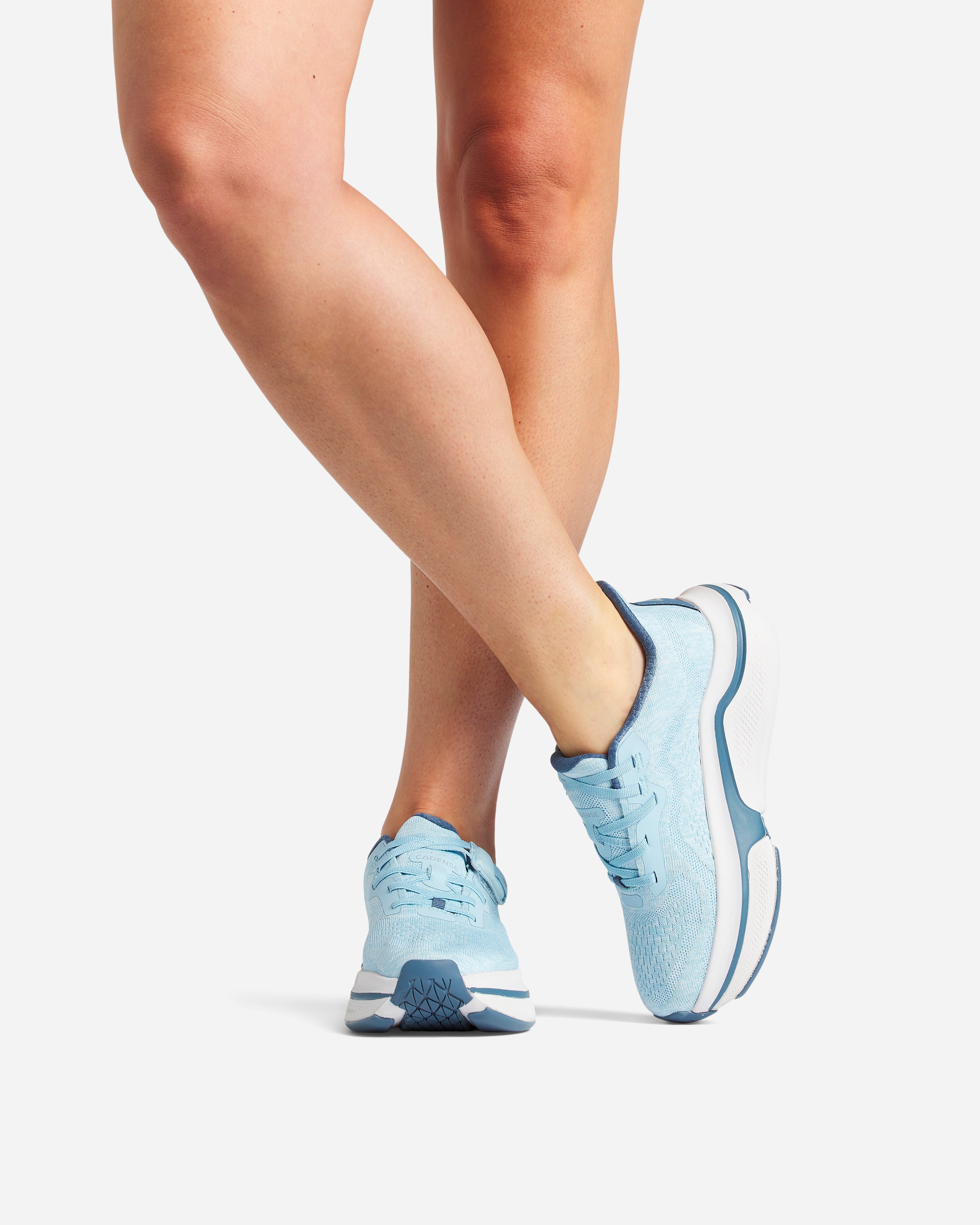
Cadense adaptive trainers are specifically designed for people living with mobility challenges, including drop foot. Each pair combines thoughtful engineering with everyday comfort to support safer, more confident walking:
-
Patented Variable Friction Technology to help stabilise each step and support proper foot alignment
-
Wide toe box for comfort and brace accommodation without pressure
-
Lightweight, flexible soles to encourage natural movement and reduce fatigue
-
Secure, supportive fit to keep the foot stable while walking
-
Easy on/off entry for practical, independent daily wear
When paired with physiotherapy or AFO braces, Cadense trainers help users maintain comfortable mobility while reducing the risk of accidents.
Who Benefits from Trainers for Drop Foot?
Adaptive trainers for drop foot can support a wide range of people, including:
-
Individuals recovering from a stroke who need extra balance and stability
-
People living with neurological conditions such as multiple sclerosis, cerebral palsy, or Parkinson’s disease
-
Older adults experiencing changes in balance or strength
-
Anyone wearing AFO braces who needs trainers that work with their support
The right trainers help maintain safer movement while supporting long-term foot and ankle health.
Tips for Choosing Trainers for Drop Foot
When selecting trainers to help manage drop foot, consider:
-
A wide toe box for comfort and brace compatibility
-
Lightweight, flexible soles to reduce effort when lifting the foot
-
A supportive, secure fit to minimise wobble and instability
-
Easy on/off design for everyday practicality
-
Breathable materials to reduce irritation during longer walks
Cadense trainers are designed with all of these needs in mind, making them a reliable choice for daily comfort and mobility.
Explore Cadense Trainers for Drop Foot
Cadense adaptive trainers are built to support people living with drop foot, offering comfort, stability, and independence while helping reduce accidents, trips, slips, and falls.
Explore the Cadense collection and find trainers designed for safer, more confident walking at:
https://cadense.co.uk/