
What to Look for When Recommending AFO Shoes for Adults
For adults who rely on an ankle–foot orthosis (AFO), the right footwear can make a meaningful difference to comfort, confidence, and mobility. Ill-suited shoes can cause pressure, limit movement, or make the brace harder to use effectively. The right pair, however, supports stability, encourages natural movement, and helps people walk with greater ease.
For physiotherapists, carers, and healthcare professionals, knowing how to recommend appropriate AFO shoes is an important part of long-term mobility support. It’s not just about fit — it’s about comfort, safety, and helping adults stay independent in everyday life.
Key Considerations When Recommending AFO Shoes
Every AFO user has different needs depending on the type of brace, level of mobility, and underlying condition. These are the most important factors to assess before making a recommendation.
Adequate Width and Depth
An AFO adds extra volume inside the shoe, so width and depth are essential. Shoes that are too narrow can create pressure points, skin irritation, or make it difficult to position the brace correctly.
Look for styles available in wide or extra-wide fittings. Trainers with removable insoles are particularly helpful, as removing the insole can instantly create more internal space. This small detail can significantly improve comfort and day-long wearability.
Easy Entry and Adjustable Closures
Many adults who wear AFOs have limited flexibility, reduced hand strength, or balance concerns, which can make putting on footwear frustrating.
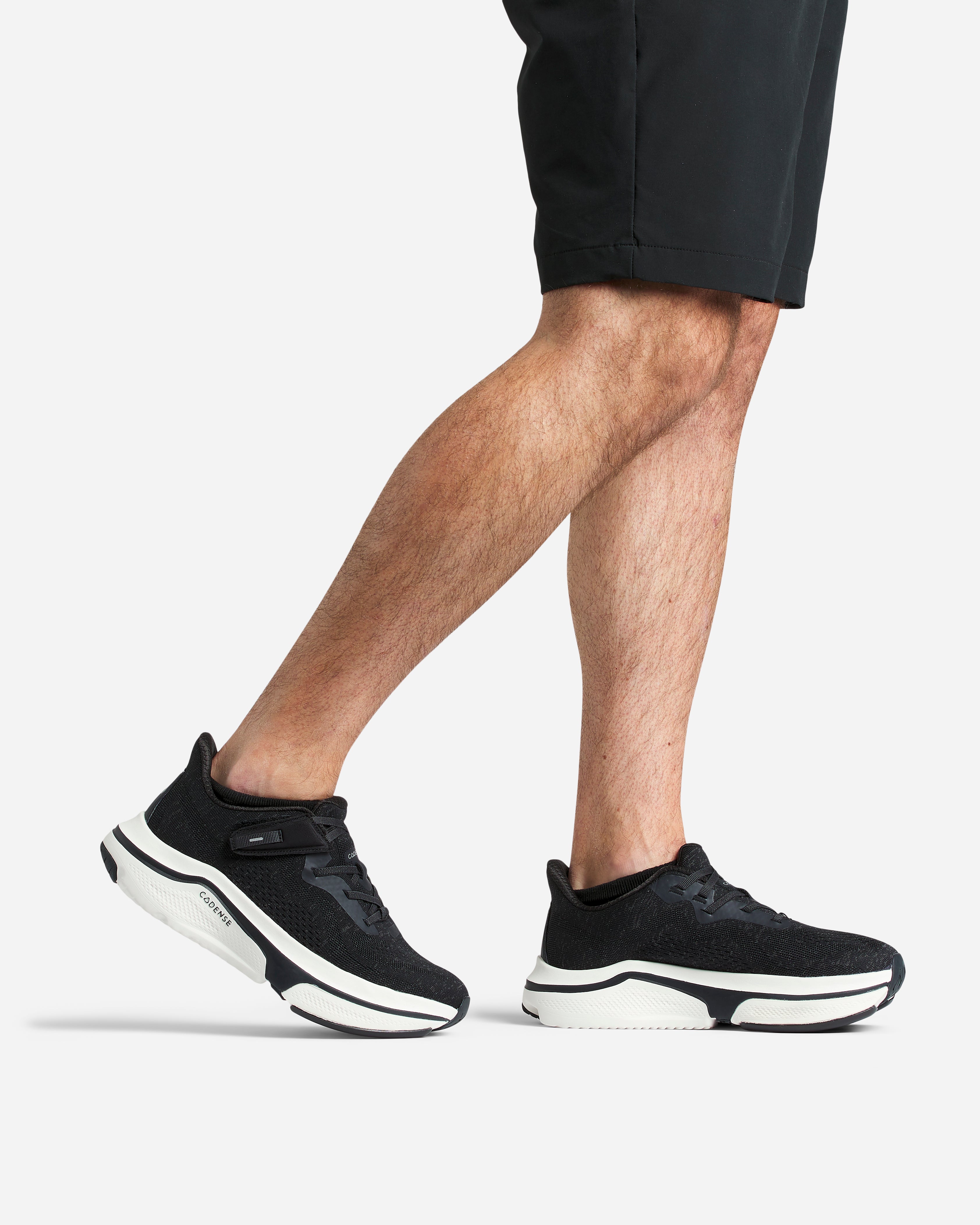
Shoes with wide openings, side or rear zips, and hook-and-loop fastenings make daily use far easier. Adaptive trainers designed for orthotic wear often open fully, allowing the foot and brace to slide in without force.
Adjustable fastenings also help achieve a secure fit without the difficulty of traditional laces.
Firm Heel Counter and Stable Base
Stability is critical for AFO users. A firm heel counter helps keep the foot aligned and reduces the risk of rolling in or out when walking.
The sole should feel supportive and stable rather than overly soft. While cushioned soles can feel comfortable at first, too much compression can affect balance and gait. A flatter, more structured sole allows the AFO to function properly and supports safer movement.
Lightweight Construction
Heavy footwear can increase fatigue, especially when combined with an orthosis. Lightweight trainers help reduce effort and make walking feel less demanding.
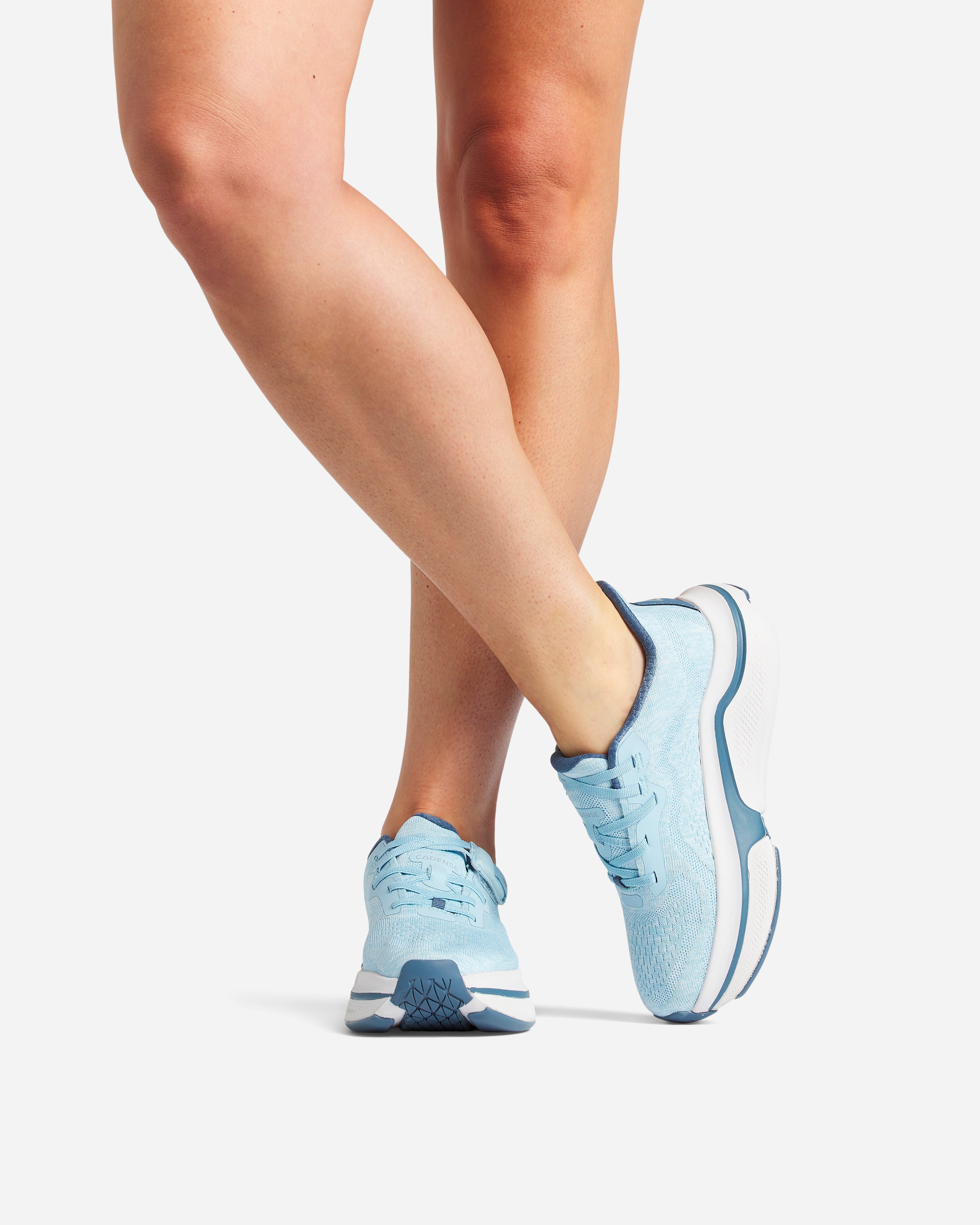
Materials such as mesh uppers and EVA midsoles can provide support without unnecessary weight. The aim is to strike a balance between durability and lightness, allowing adults to move more comfortably throughout the day.
Proper Toe Box Shape
A rounded, spacious toe box is essential for AFO wearers. It reduces pressure on the toes and allows for swelling or changes in foot shape throughout the day.
Narrow or tapered styles should be avoided, as they can interfere with brace alignment and increase friction. Extra room at the front of the shoe often improves comfort and reduces the risk of skin irritation.

Slip-Resistant Outsoles
Falls are a major concern for adults with mobility challenges. Shoes with non-slip rubber outsoles provide better grip on indoor floors and outdoor surfaces, particularly in wet conditions.
When recommending footwear, check the tread pattern — deeper, well-defined tread generally offers better traction and reassurance with each step.
Compatibility with AFO Design
Not all AFOs are the same, so footwear should be chosen with the specific brace in mind:
-
Posterior leaf spring AFOs often benefit from good heel stability
-
Solid AFOs usually require extra depth and a more structured sole
-
Articulated AFOs need space to allow ankle movement
Encourage patients to bring their AFO when trying on shoes, or guide them towards brands designed specifically for orthotic compatibility.
The Role of Physiotherapists in Recommending AFO Shoes
Physiotherapists play a key role in helping adults adapt to life with an AFO. Alongside gait retraining and strengthening work, footwear selection can have a lasting impact on outcomes.
Helpful steps include:
-
Observing gait in the clinic to identify stability or comfort issues
-
Trialling recommended shoes during appointments
-
Advising patients to gradually break in new footwear
This hands-on approach ensures patients understand how their shoes support the brace and feel confident wearing them day to day.
What Adults Should Keep in Mind
For adults searching online for “AFO shoes” or local physiotherapy services, the number of options can feel overwhelming. Remind patients to prioritise function and comfort over appearance alone.
Encourage them to:
-
Always try shoes on with the AFO in place
-
Shop later in the day when feet may be slightly swollen
-
Walk around for several minutes to assess fit and comfort
A well-designed AFO shoe should feel secure and supportive — never tight or restrictive.
Recommended Materials and Styles
When advising patients, these features are worth highlighting:
-
Uppers: Flexible leather or stretch fabrics to reduce pressure
-
Fastenings: Velcro, zips, or elastic systems for easy adjustment
-
Soles: Firm, stable soles that support orthotic use
-
Removable insoles: Allow customisation for braces or orthotics
Many adaptive brands now offer trainers that look like everyday footwear while still meeting the functional needs of AFO wearers.
The Long-Term Value of the Right Footwear
Recommending suitable AFO shoes isn’t just about immediate comfort. The right footwear supports:
-
Improved posture and alignment
-
Reduced fatigue and joint strain
-
Better balance and confidence
-
Greater willingness to stay active
When walking feels easier and more secure, adults are more likely to maintain activity levels and continue with physiotherapy programmes that protect long-term mobility.
Final Thoughts
For adults using an ankle–foot orthosis, footwear is an essential part of daily mobility — not an afterthought. When healthcare professionals take the time to recommend the right AFO shoes, it can transform how someone moves, feels, and lives day to day.
If you or your patients need guidance on adaptive footwear, Cadense designs shoes that work alongside orthoses to support comfort, confidence, and independence. Built with insight from movement specialists and designed for real-world wear, Cadense helps every step feel more natural — and every day a little easier.
,%20the%20right%20footwear%20can%20make%20a%20meaningful%20difference%20to%20comfort,%20confidence,%20and%20mobility.%20Ill-suited%20shoes%20can%20cause%20pressure,%20limit%20movement,%20o...)