Article: Best Comfortable Trainer Styles for Seniors: Supportive, Slip-On, and Adaptive Options

Best Comfortable Trainer Styles for Seniors: Supportive, Slip-On, and Adaptive Options
Summary
-
Comfortable trainers for seniors go well beyond style, providing the stability, cushioning, and traction needed for safe and confident daily movement
-
Everyday supportive trainers suit active seniors, slip-ons offer convenience without sacrificing stability, and adaptive trainers address more specific foot or mobility needs
-
Key features to look for across all styles include slip-resistant soles, a secure fit, cushioning, arch support, and a wide toe box
-
Quality trainers help reduce fall risk, relieve foot pain, and improve confidence, supporting seniors to stay active and independent for longer
-
Replace worn trainers promptly, as degraded soles and cushioning reduce safety even when the trainer still looks presentable from the outside
Finding the right trainers for our parents as they age is more than a matter of comfort. It is about safety, mobility, and independence. Poorly fitting footwear contributes to slips, trips, and falls, which are among the leading causes of serious injury for older adults. Choosing comfortable trainers that provide proper support, cushioning, and traction can help reduce fall risk, ease foot pain, and help your parents maintain an active and independent lifestyle.
Not all trainers are designed with seniors' needs in mind, and older adults have specific requirements that go well beyond style. From daily walks to indoor use, the right trainer makes a meaningful difference to balance, confidence, and overall foot health. In this guide we cover the best comfortable trainer styles for seniors, including everyday supportive options, slip-ons, and adaptive designs, along with the features that make each type well suited to ageing feet.
Why Comfortable Trainers Are Crucial for Seniors
Footwear affects more than just how feet feel at the end of the day. It has a direct impact on overall health, safety, and confidence in daily movement. Properly supportive trainers provide stability and balance through structured soles and firm heel counters that reduce wobbling and the risk of falls. They cushion and absorb the shock of each step, protecting joints and easing the pain of conditions like arthritis or plantar fasciitis. They accommodate foot conditions such as bunions, swelling, or the use of orthotics and AFO braces in ways that standard footwear often cannot. And perhaps most importantly, they give seniors the security to keep moving confidently, which supports the activity levels that maintain strength, coordination, and independence over time.
Investing in comfortable trainers is not just about preventing foot pain. It is about helping your parents move safely and confidently every single day.
Everyday Supportive Trainers: Daily Comfort and Activity
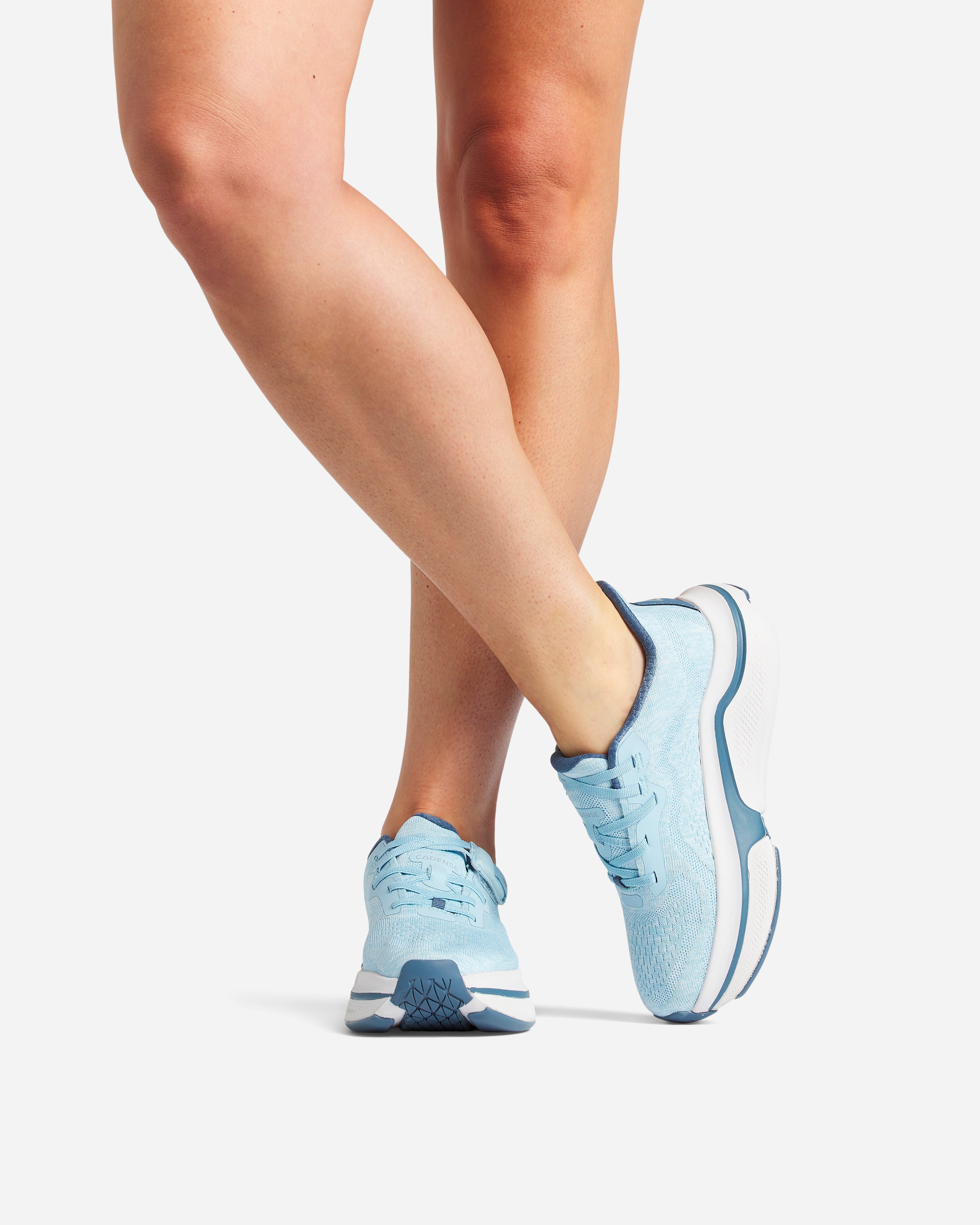
For seniors who stay active or enjoy regular walking, a well-designed supportive trainer is often the best starting point. This style combines the cushioning needed for sustained activity with the structure required for reliable balance and traction across a range of surfaces. The best options feature cushioned midsoles that absorb impact and reduce joint stress, slip-resistant outsoles for traction on pavements and indoor floors, adjustable laces or closures for a secure and consistent fit, and a lightweight design that reduces the fatigue that builds up during longer periods of wear.
Supportive trainers are versatile enough for everyday errands, walks in the park, and casual outings, making them a practical and dependable choice for most seniors' daily routines.

Slip-On Trainers: Convenience Without Compromising Stability
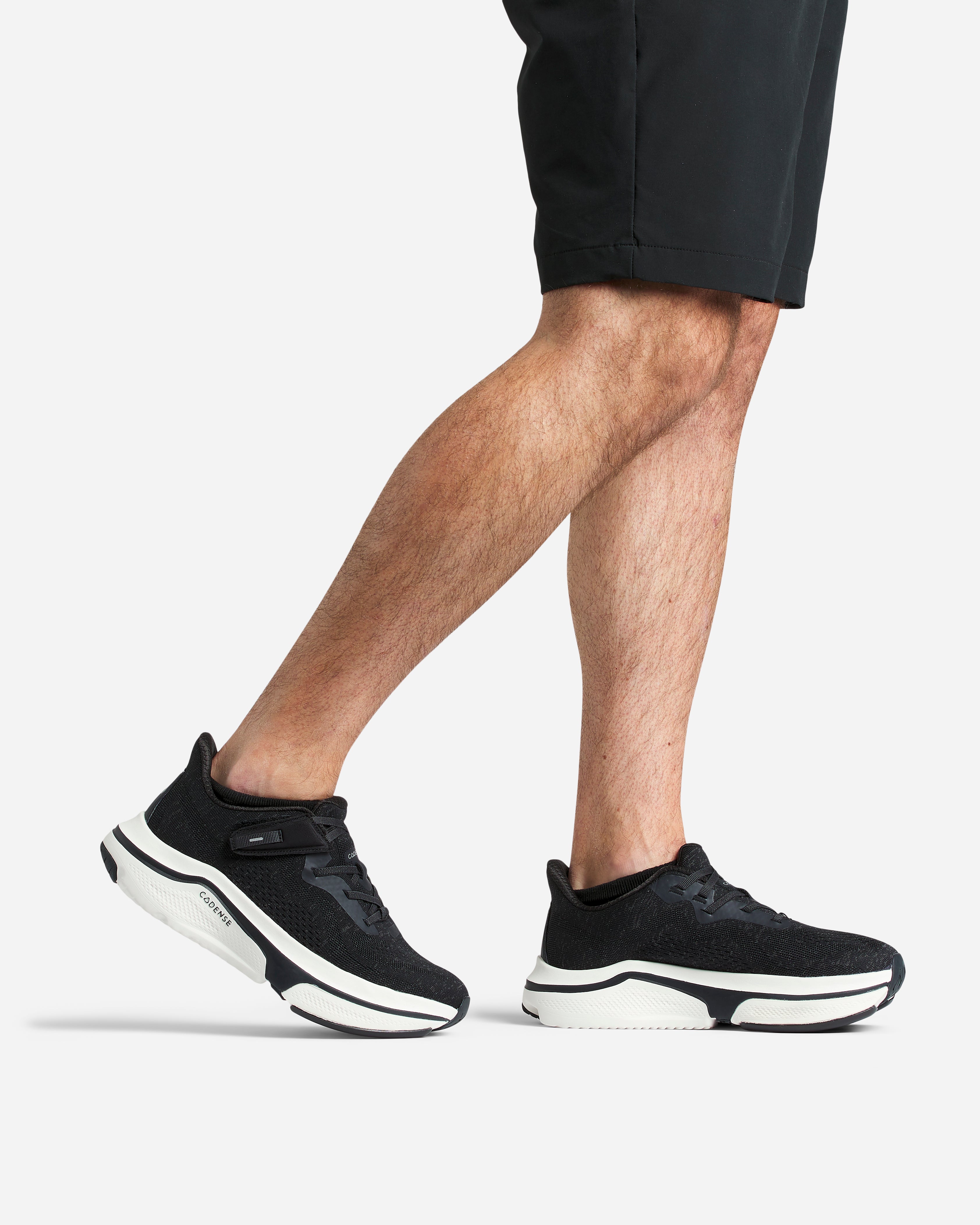
Slip-on trainers are an excellent option for seniors who prefer footwear that is easy to put on and take off, particularly those with limited hand strength, dexterity, or hip mobility. The best slip-on styles for seniors use elastic panels or Velcro closures that allow the trainer to be put on and secured without the need for lacing, whilst still maintaining a snug and supportive fit throughout the day. Non-slip soles keep the trainer safe on both indoor and outdoor surfaces, cushioned footbeds provide all-day comfort, and firm heel counters add the structural support needed for reliable balance.
This combination of ease and stability makes slip-on trainers particularly well suited to seniors who need a practical everyday option that does not compromise on safety.
Adaptive Trainers: Specialist Support for Specific Needs
Adaptive trainers are designed for seniors with more specific foot or mobility challenges that standard footwear cannot adequately address. This includes foot drop or weakness that requires an AFO-compatible design with extra depth and wide openings, significant swelling or bunions that need a genuinely roomy toe box, and arthritis or joint pain that benefits from extra cushioning and meaningful arch support. Adaptive trainers often include adjustable straps, removable insoles for orthotic use, and wider entry points that make putting them on manageable even with limited ankle mobility.
These features provide targeted support without sacrificing comfort or fit, which is essential for reducing foot pain, accommodating assistive devices, and helping to prevent falls in seniors managing more complex mobility needs.
Features to Look for Across All Comfortable Trainers
Regardless of which style suits your parents best, certain features are worth prioritising across all types of comfortable trainer for seniors. Slip-resistant soles are essential for preventing falls on tile, hardwood, or wet surfaces. The trainer should hold the foot firmly without creating pressure points anywhere along the foot or ankle. Soft insoles and shock-absorbing midsoles reduce fatigue and make longer periods of activity more manageable. Proper arch support promotes correct walking alignment and reduces cumulative strain on the knees, hips, and lower back. A wide toe box prevents pinching and accommodates swelling or foot conditions that are common in older adults.
Always encourage your parents to walk around in trainers on both carpet and a hard surface before committing to a pair, to ensure the comfort, stability, and fit hold up in the conditions they will actually be wearing them in.
Benefits of Investing in Quality Trainers
Quality trainers for seniors deliver benefits that extend well beyond their upfront cost. They help reduce the risk of slips and trips on uneven or slippery surfaces, relieve pressure and discomfort caused by common foot conditions, and support longer walks and a more active daily routine. When seniors feel secure and well-supported underfoot, they are more likely to maintain the activity levels that keep muscles strong and coordination sharp, which in turn helps reduce fall risk over the long term.
It is also worth replacing worn trainers promptly. Soles and cushioning degrade with regular use, often well before there is any visible wear on the upper, and an old pair that looks fine may be providing far less protection than it appears.
Help Your Parents Find the Right Trainer Today
Choosing the right trainers for your parents goes well beyond style. It is about comfort, safety, and the confidence to stay active and independent. Whether the right option is an everyday supportive trainer, a convenient slip-on, or a specialist adaptive design, the right pair makes a meaningful difference to how safely and comfortably your parents can move through daily life.
Explore Cadense adaptive trainers at cadense.co.uk to find comfortable, supportive footwear designed specifically for older adults, helping your parents enjoy daily activities safely and confidently.