Why Adaptive Trainers Are a Smart Investment for Ageing Parents
Summary
-
Adaptive trainers are designed specifically for the challenges seniors face, including reduced balance, foot conditions, and the need to accommodate braces or orthotics
-
They help reduce fall risk, improve comfort, promote confidence, and can save money in the long run by helping prevent costly injuries
-
Key features to look for include traction, a secure fit, adequate cushioning, ease of use, and compatibility with any foot health needs
-
Different styles suit different needs, from everyday supportive trainers to orthopaedic and AFO-compatible options for more complex conditions
-
Adaptive trainers work best as part of a broader approach that includes clear walkways, good lighting, and regular balance exercises
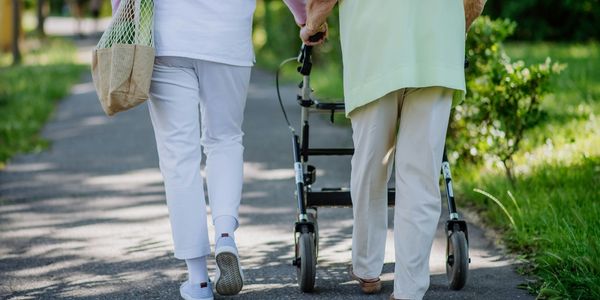
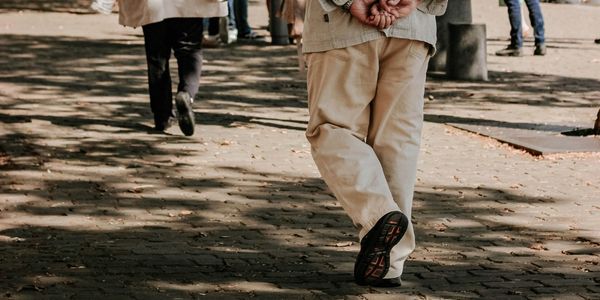
As our parents age, simple daily activities like walking around the house, popping out for errands, or visiting friends can become more challenging. Reduced balance, foot pain, and mobility issues increase the risk of slips, trips, and falls, which are among the leading causes of serious injury in older adults.
One of the most effective ways to support ageing parents' independence and safety is by investing in adaptive trainers for seniors. These specially designed trainers go beyond basic comfort. They provide stability, accommodate foot conditions, and help reduce the risk of falls, making them a practical and long-term investment in your parents' wellbeing.
What Makes Trainers "Adaptive" for Seniors
Adaptive trainers are designed specifically to address the unique challenges seniors face during everyday movement. Unlike regular footwear, they are built with features that work together to support safety, comfort, and independence in ways that standard trainers simply cannot match.
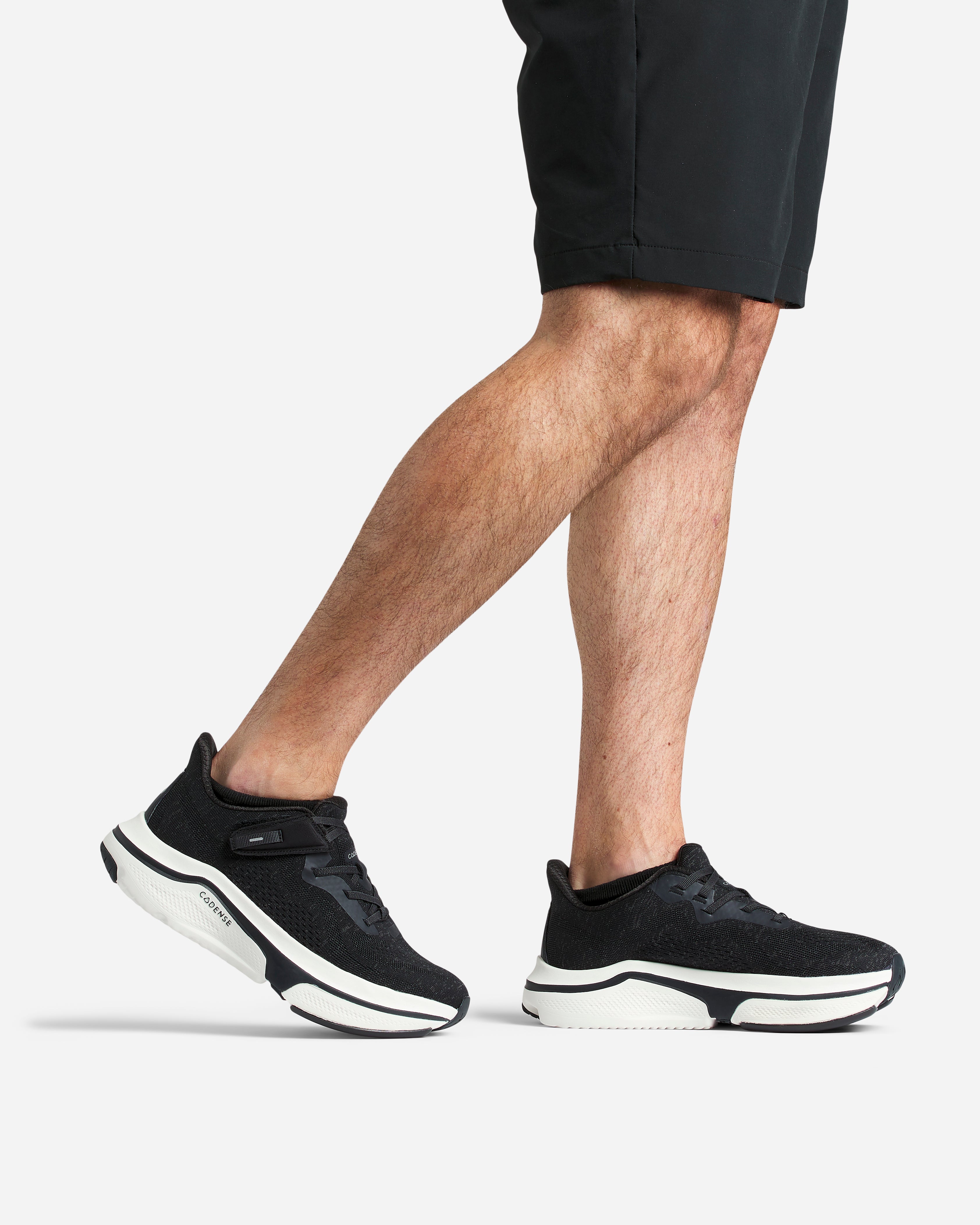
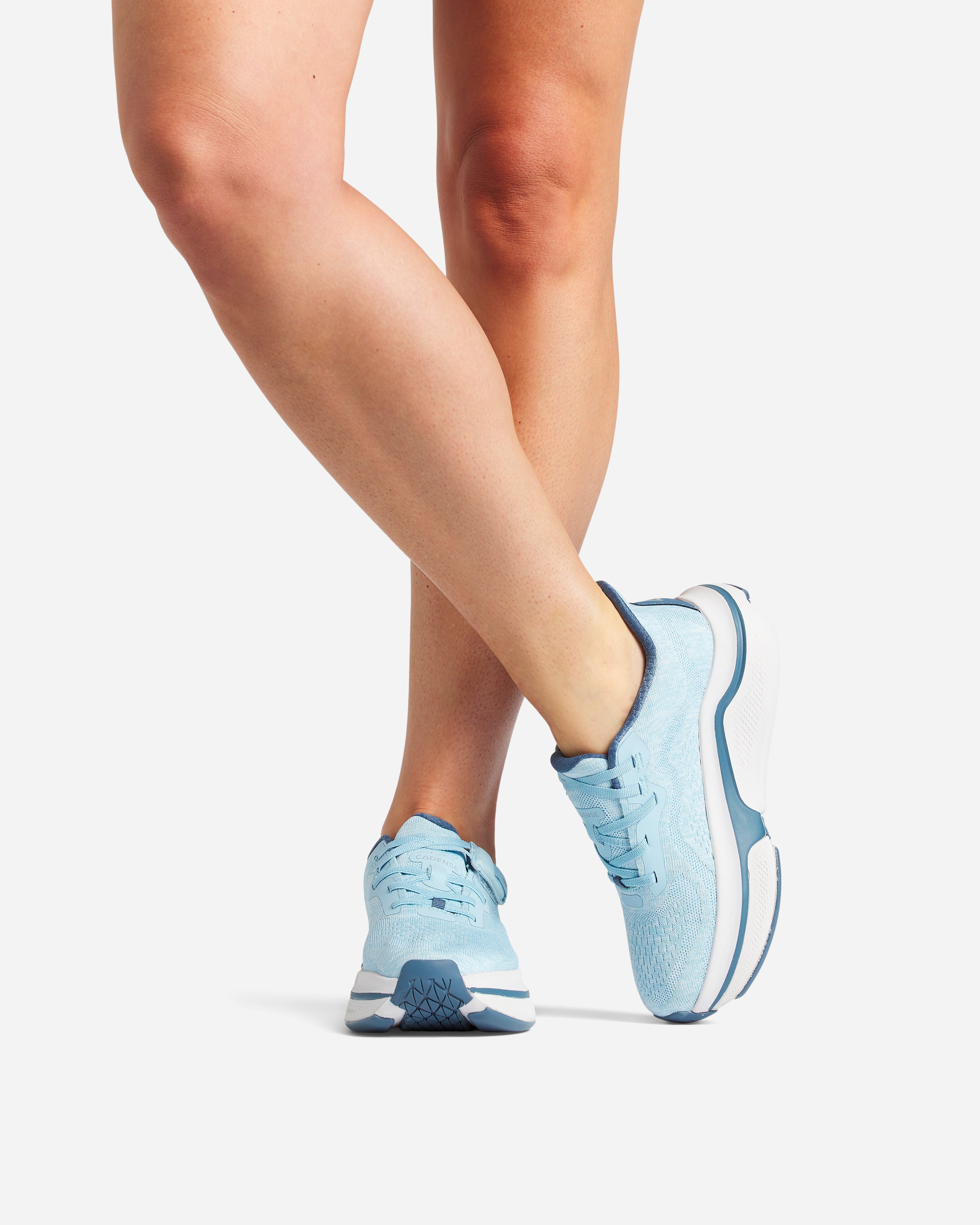
The most important of these features include easy-to-use closures such as Velcro or elastic laces for those with limited dexterity, slip-resistant soles that help prevent accidents on slippery surfaces, and cushioning with arch support to reduce joint pain and improve posture. A roomy toe box accommodates swelling, bunions, or orthotics, whilst sturdy heel counters and structured soles enhance balance and keep the foot correctly aligned throughout each step. Together, these elements make walking safer, more comfortable, and less tiring for older adults, helping them maintain the mobility and independence that matters so much to their quality of life.
Why Adaptive Trainers Are Worth the Investment
Many families hesitate to spend more on specialised footwear, but the benefits of adaptive trainers make the investment a sound one in both the short and long term.
1. Helping Reduce Fall Risk
Falls can lead to serious injuries, hospitalisation, or long-term loss of independence that is difficult and costly to recover from. Adaptive trainers with reliable traction and proper structural support significantly reduce the likelihood of slips and trips during everyday movement, both indoors and outdoors.
2. Improving Comfort and Foot Health
Seniors frequently experience foot conditions such as plantar fasciitis, bunions, or arthritis. Adaptive trainers relieve pressure, provide meaningful cushioning, and accommodate orthotics in ways that standard footwear cannot, reducing pain and discomfort and making sustained activity much more manageable.

3. Promoting Confidence and Independence
Walking becomes less intimidating when seniors feel steady and supported underfoot. That confidence encourages them to stay active, which in turn strengthens muscles, supports coordination, and helps maintain overall mobility over the long term. The cycle works in reverse too: when people feel unsafe, they move less, which weakens the very capabilities that keep them safe.
4. Cost Savings Over Time
Whilst adaptive trainers may cost more upfront than standard footwear, they can help prevent the kind of injuries that result in significant medical bills, physiotherapy costs, or the need for mobility aids. Viewed as a proactive investment in health and safety rather than a discretionary purchase, the value becomes clear.
How to Choose the Right Adaptive Trainers
Selecting adaptive trainers for your parents requires consideration of both safety and comfort in equal measure. Traction should be a primary focus, so look for trainers with rubber soles and tread patterns that grip a variety of surfaces reliably. The fit should hold the foot securely without pinching or rubbing, and adjustable closures make it easier to achieve this consistently throughout the day as feet change with movement and warmth. Adequate midsole cushioning and arch support reduce stress on joints and improve walking comfort over longer periods, whilst slip-on styles or Velcro fastenings make the process of putting trainers on and taking them off manageable for seniors with limited hand strength or dexterity.
It is also worth considering any specific foot health needs your parents have, such as the need to accommodate orthotics, braces, or swelling. Trying trainers on later in the day, when feet are naturally at their most swollen, ensures the fit will remain comfortable throughout daily wear. Encourage your parents to walk around on both carpet and a hard surface before making a final choice.
Adaptive Trainers for Specific Needs
Different seniors have different mobility needs, and the right trainer depends on your parents' daily activities, health conditions, and personal preferences. For general everyday walking, supportive trainers with cushioned soles and reliable traction suit most needs well. For indoor use, lightweight slip-ons with secure closures and a non-slip sole are practical and easy to manage. For seniors with foot conditions or who use AFO braces, orthopaedic or AFO-compatible adaptive trainers are the most appropriate option, providing the extra depth, wide openings, and structural support needed to accommodate these devices without compromising comfort or stability.
Supporting Safety Beyond Footwear
Whilst adaptive trainers are a crucial part of fall prevention, they work best as part of a broader approach to safety and mobility. Removing loose rugs and clutter from walkways eliminates trip hazards that even the best footwear cannot compensate for. Ensuring pathways are well-lit, particularly in hallways and on staircases, makes it easier for your parents to see obstacles clearly. Encouraging gentle balance exercises or physiotherapy to strengthen the legs and core supports the underlying physical capabilities that make safe walking possible. Checking trainers regularly and replacing them when cushioning or traction starts to deteriorate ensures the protective benefit is maintained consistently over time.
Invest in Your Parents' Mobility and Independence Today
Adaptive trainers for seniors are more than just comfortable footwear. They are a practical investment in safety, health, and independence. Choosing trainers with proper support, traction, and fit helps prevent injuries, reduces discomfort, and gives your parents the confidence to stay active every day.
Explore Cadense adaptive trainers at cadense.co.uk to find footwear designed specifically for seniors, helping your parents maintain mobility, stability, and independence for years to come.