


Can Foot Drop Be Reversed or Is It Permanent?
Foot drop occurs when lifting the front of the foot becomes difficult, which can make walking feel awkward, unstable, and at times even unsafe. For many people, one of the first questions that comes up is whether it’s something that will go away — or whether it’s permanent.
The reality is that it depends on what’s causing it. In some cases, foot drop is temporary and improves as the underlying issue heals. In others, it may be longer-term and require ongoing support. The earlier you understand the cause and begin treatment, the better your chances of improving mobility and reducing the risk of trips, slips, and falls.
What Factors Affect Recovery From Foot Drop?
Recovery from foot drop isn’t always straightforward, and it can look different from one person to the next. A lot comes down to what’s happening beneath the surface — particularly whether the issue is related to nerve damage, muscle weakness, or a broader neurological condition.
For example, temporary nerve compression or minor injuries may resolve with time, rest, and the right rehabilitation approach. On the other hand, more severe nerve damage can take longer to recover and may not fully reverse. The length of time you’ve been experiencing symptoms also plays a role, as early intervention tends to lead to better outcomes.
Your overall health, strength, and activity level can also influence how your body responds to treatment. Most importantly, consistency matters. Sticking with physiotherapy, exercises, and any recommended support can make a noticeable difference over time, even if progress feels gradual.
How Physiotherapy Supports Foot Drop Recovery
Physiotherapy is often one of the most effective ways to manage and improve foot drop. Rather than offering a quick fix, it focuses on rebuilding strength, improving control, and helping you move more confidently day to day.
A physiotherapist will typically assess how your muscles and joints are functioning, then guide you through exercises designed to strengthen the muscles that lift and stabilise your foot. Over time, this can help improve your walking pattern and reduce the risk of catching your foot while you move.
You may also be introduced to gait training techniques, which focus on how you walk and help retrain safer, more efficient movement. In some cases, supportive devices such as AFO braces or adaptive footwear are recommended to provide additional stability.
Even when foot drop isn’t fully reversible, physiotherapy plays a key role in maintaining independence and making everyday movement feel more manageable.

How Supportive Footwear Can Help
Footwear might not be the first thing people think about when dealing with foot drop, but it can have a meaningful impact on how safe and comfortable walking feels.
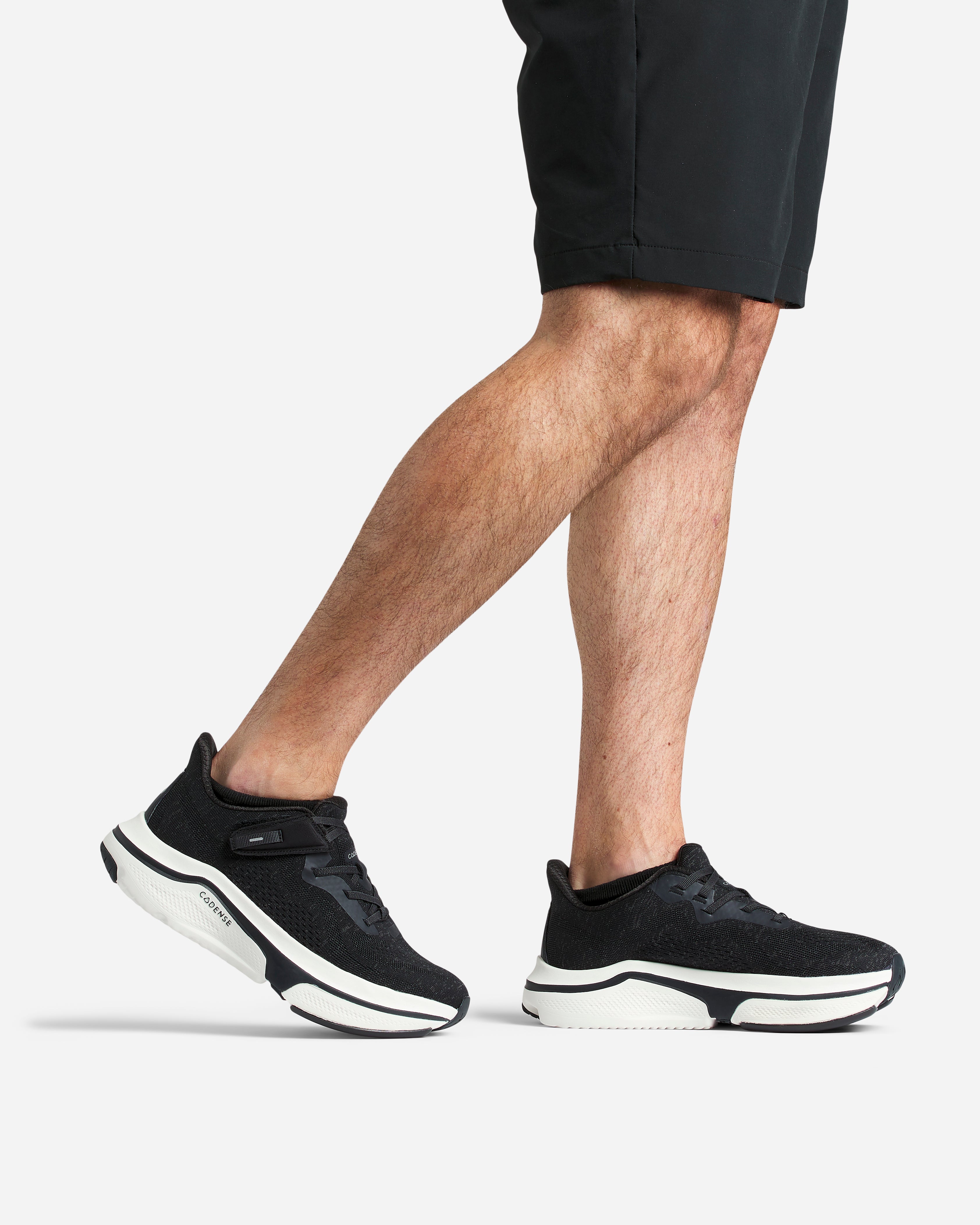
Supportive trainers, like those designed by Cadense, are built to reduce instability and make movement feel more natural. Features such as a wide toe box, stable fit, and lightweight construction can help minimise the risk of trips and falls, especially when combined with physiotherapy or bracing.
For those using AFOs, having trainers that properly accommodate the brace is just as important. Easy on-and-off designs and flexible structures can make daily wear far less frustrating, particularly if mobility is already a challenge.
While footwear doesn’t reverse foot drop, it plays a practical role in helping you stay active and confident while you work on recovery or ongoing management.
When to Seek Professional Help
If you’ve noticed changes in how your foot moves, it’s important not to ignore them. Difficulty lifting the front of your foot, frequent tripping, or a growing sense of instability are all signs that something may need attention.
You should also speak to a healthcare professional if you’re experiencing numbness, tingling, or symptoms that seem to be getting worse over time. Getting an early assessment can help identify the cause and guide you towards the most effective treatment plan.
Start Walking More Confidently
Foot drop isn’t always permanent, but it isn’t always quick to resolve either. Whether your case is temporary or longer-term, the right combination of physiotherapy, consistent care, and supportive footwear can make a real difference in how you move and feel each day.
If you’re looking for extra support in your day-to-day routine, choosing the right trainers can help you feel more stable and confident with every step. Cadense adaptive trainers are designed specifically for people navigating mobility challenges, with features that make walking easier and safer.
Explore the full range of adaptive trainers here:
https://cadense.co.uk/collections/shop-all


