

How Should an AFO Fit for Walking Comfort and Daily Use
If you wear an AFO (ankle-foot orthosis), the fit of the brace plays a major role in how comfortable and confident walking feels each day. An AFO that is too loose or too tight can affect balance, posture and overall stability while walking.
When fitted correctly, an AFO should support the foot and ankle without creating pressure points or restricting movement. It should feel secure enough to guide your walking pattern while still allowing comfortable motion throughout the day. A good fit also helps the brace work effectively alongside supportive trainers and any physiotherapy exercises you may be following.
Signs That an AFO Fits Properly
A properly fitted AFO should feel supportive without being restrictive. Your foot and ankle should sit comfortably within the brace, and the heel should rest securely at the back so your alignment stays consistent while walking.
You should notice even pressure around the foot and lower leg rather than tight or pinched areas. The brace should remain stable as you walk, climb stairs or move across uneven surfaces without sliding or shifting.
Movement should also feel natural within the limits recommended by your healthcare professional. While the brace supports the ankle, it should not feel as though it completely locks your foot in place unless that level of support has been specifically prescribed.
Checking these factors regularly can help maintain comfort and support over time.
How Proper Fit Supports Everyday Movement
A well-fitted AFO does more than simply hold the foot in position. It helps improve walking mechanics, reduces unnecessary strain on surrounding muscles and can make daily movement feel more predictable.
When the brace supports the ankle correctly, it can help maintain consistent foot clearance while walking. This reduces the likelihood of catching your toes on the ground and helps lower the risk of trips, slips and falls.
Many people also find that the right fit reduces fatigue. When the brace supports the foot efficiently, the surrounding muscles don’t have to work as hard to compensate, which can make longer periods of walking or standing feel more manageable.

Practical Ways to Maintain a Comfortable Fit
Getting the right fit usually starts with professional guidance. A physiotherapist or orthotist can measure your foot and ankle, adjust the brace and ensure it supports your walking pattern correctly.
It’s also helpful to check the fit periodically, as feet and lower leg muscles can change over time due to swelling, changes in strength or recovery progress.
Wearing breathable socks can reduce friction and improve comfort inside the brace. Adjusting straps carefully is also important. They should hold the brace firmly in place without restricting circulation.
Small adjustments like these often make a noticeable difference in day-to-day comfort.
Why Trainers Matter When Wearing an AFO
The trainers you wear with an AFO can significantly influence how comfortable the brace feels. Trainers that are too narrow or rigid can make it difficult for the brace to sit properly, which may lead to pressure or instability.
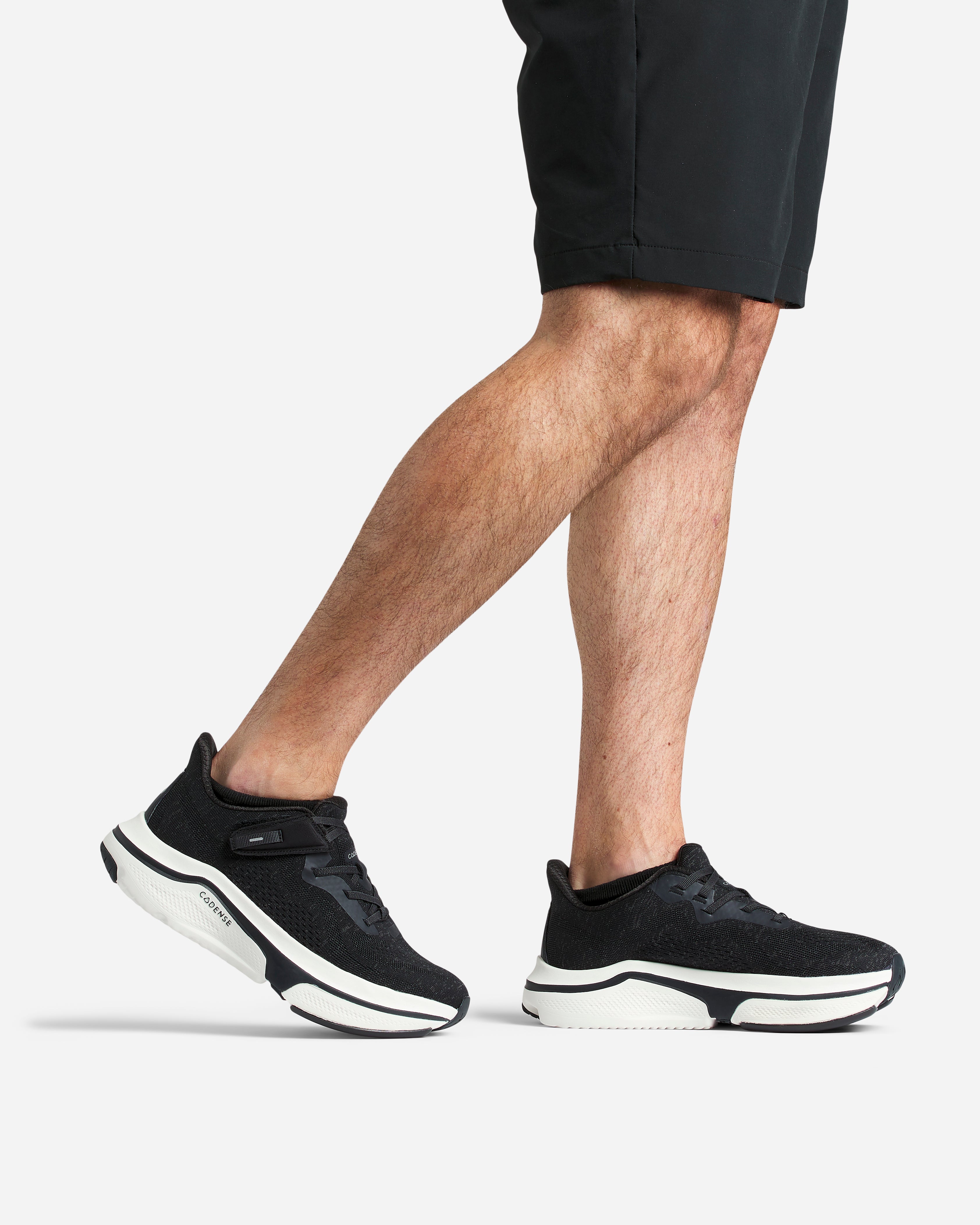
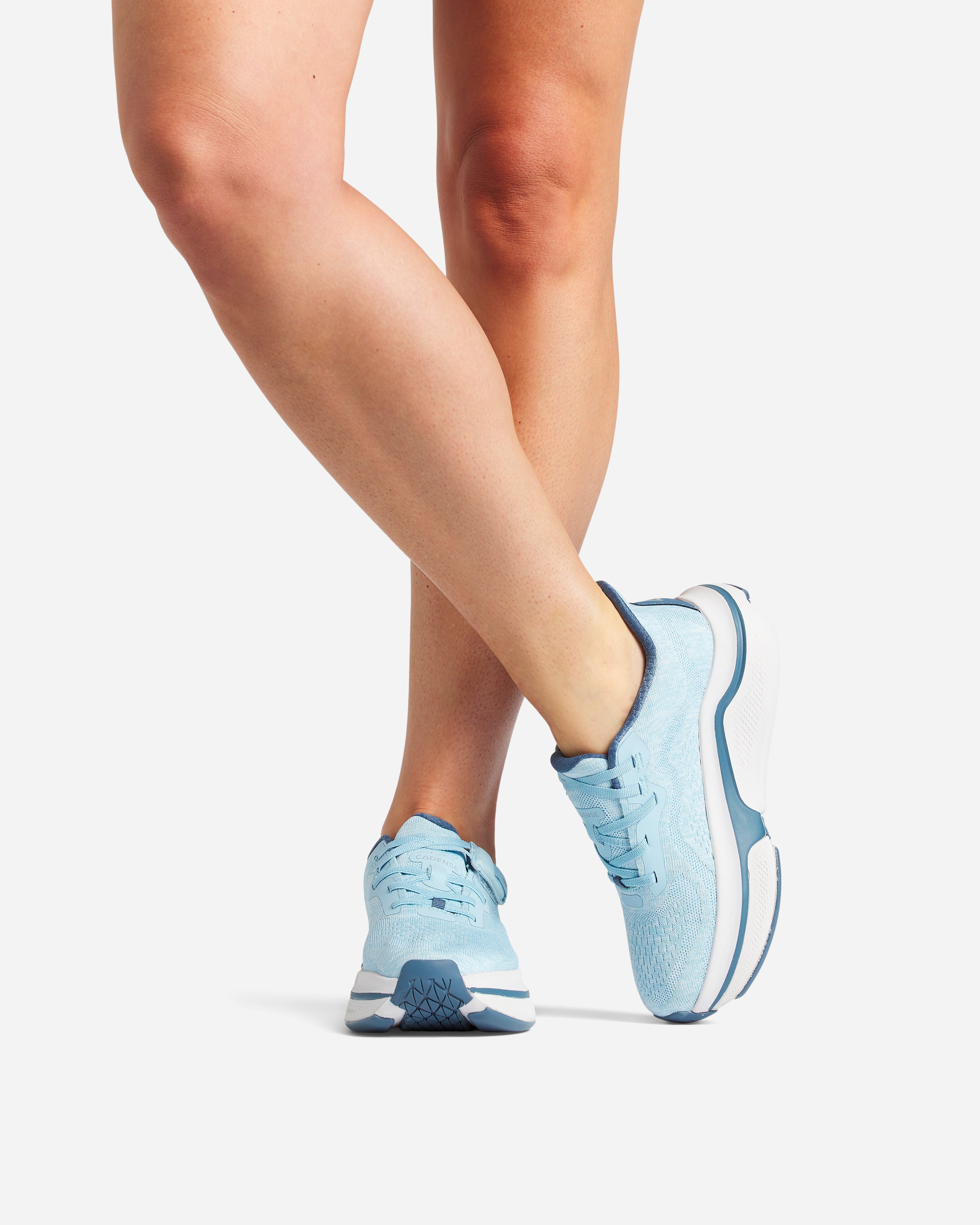
Cadense adaptive trainers are designed to accommodate AFO braces more comfortably. Their wider toe box provides additional space for the brace, while the lightweight and flexible sole supports smoother movement during walking.
The secure fit also helps keep the foot stable inside the trainer, which can improve balance and make daily movement feel more controlled. An easy on/off design can also make getting dressed simpler, particularly for people managing mobility challenges.
Finding the Right Fit for Safer Walking
Making sure your AFO fits correctly is an important step in maintaining comfortable and confident movement. When the brace is properly aligned and paired with supportive trainers, it can help improve stability, reduce fatigue and support safer walking throughout the day.
If you’re looking for trainers designed to work comfortably with an AFO brace, explore the Cadense UK adaptive trainers at:


,%20the%20fit%20of%20the%20brace%20plays%20a%20major%20role%20in%20how%20comfortable%20and%20confident%20walking%20feels%20each%20day.%20An%20AFO%20that%20is%20too%20loose%20or%20too%20tight%20can%20affect%20balance,%20...)