


What Is Foot Drop in Multiple Sclerosis and How Supportive Footwear Can Help
Foot drop is a condition that makes it difficult to lift the front of the foot while walking. For people living with multiple sclerosis (MS), it often develops due to nerve damage that affects the muscles responsible for ankle and toe movement.
When this happens, walking can start to feel less steady and more effortful. The foot may catch on the ground, increasing the risk of trips, slips and falls, while the body works harder to compensate. Over time, this can also lead to fatigue, as other muscles take on more of the workload.
Understanding how foot drop presents in MS can help you take practical steps to support safer, more comfortable movement in everyday life.
Why Foot Drop Happens in MS
Multiple sclerosis affects the central nervous system, disrupting the signals that travel between the brain and muscles. When the nerves controlling ankle and foot movement are impacted, the messages needed to lift the foot become weaker or delayed.
This can make walking feel less controlled, with movements becoming less efficient and more tiring. Even small changes in how the foot lifts and lands can affect balance and confidence, particularly on uneven surfaces or over longer distances.
Recognising these changes early makes it easier to introduce the right support and reduce the risk of accidents.
How Supportive Footwear Helps With Foot Drop
While footwear can’t repair nerve damage, it plays an important role in helping you move more safely and comfortably. The right shoes provide a stable base, helping to reduce the chance of catching your toes and improving overall balance.
For people with MS, footwear also needs to adapt to changing mobility needs. This may include accommodating braces or orthoses, while still allowing the foot to move as naturally as possible. Lightweight, flexible soles can support a smoother stride, while a wider toe box helps reduce pressure at the front of the foot.
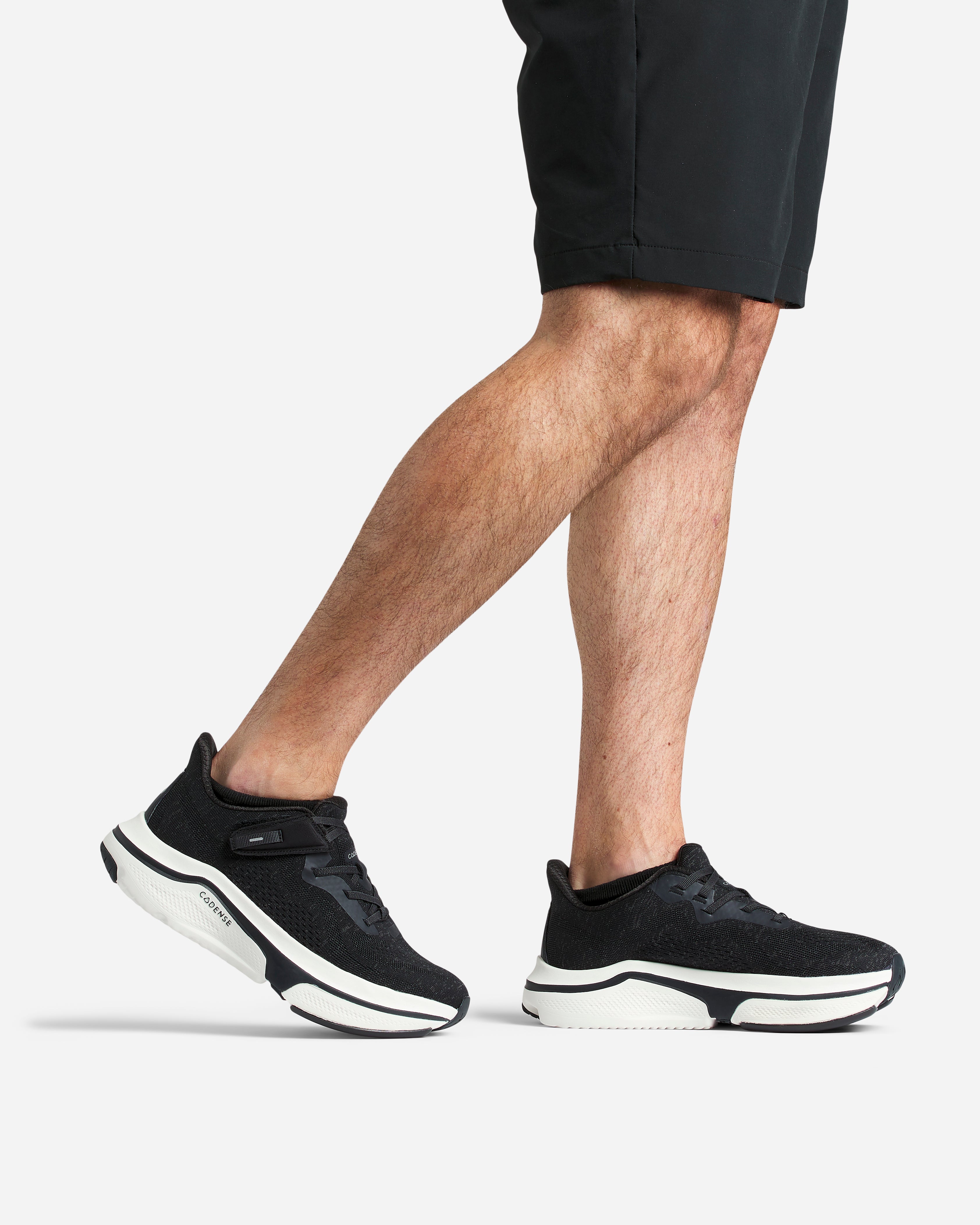
Cadense adaptive shoes are designed with these considerations in mind, helping to create a more secure and supportive walking experience without adding unnecessary strain.

Supporting Mobility With MS Day to Day
Managing foot drop in MS often involves a combination of small, consistent strategies rather than a single solution. Supportive footwear works best when paired with other approaches that help maintain strength and stability.
Many people benefit from using an ankle-foot orthosis (AFO) if recommended, as it helps keep the foot in a lifted position. Gentle exercises can also support muscle strength and control, while making simple adjustments at home—such as keeping walkways clear—can reduce the risk of trips.
Paying attention to how your walking changes over time is equally important. If movement starts to feel more difficult or less stable, seeking guidance early can help you stay ahead of any further challenges.
How Physical Therapy Complements Footwear
Physical therapy plays a key role in managing foot drop for people with MS. Rather than focusing only on strength, therapy often looks at how the body moves as a whole, helping to improve coordination, balance and walking patterns.
A physiotherapist may guide you through exercises that support ankle control and help retrain movement, while also recommending the right combination of footwear or bracing. When these elements work together, they can make everyday walking feel more controlled and less tiring.
Find Comfort With Cadense Today
Foot drop in multiple sclerosis can make walking feel unpredictable, but the right support can make a meaningful difference. With a combination of thoughtful movement strategies, professional guidance and well-designed footwear, it’s possible to move more comfortably and confidently each day.
If you’re looking for footwear designed to support mobility challenges, explore Cadense adaptive shoes at cadense.com/uk to find a pair that works for you


,%20it%20often%20develops%20due%20to%20nerve%20damage%20that%20affects%20the%20...)