
Choosing the Right Braces for Drop Foot and Daily Mobility
Drop foot can make everyday movement feel frustrating, tiring, and at times unsafe. When lifting the front of the foot becomes difficult, simple activities like walking around the house, navigating stairs, or going outdoors can suddenly require far more concentration and effort.
For many people, braces for drop foot provide the extra support needed to move more confidently. These braces, commonly called ankle-foot orthoses (AFOs), are designed to support the foot and ankle whilst walking, helping reduce foot dragging and improve overall stability.
Although a brace won’t cure the underlying condition causing drop foot, it can make a meaningful difference in walking comfort, balance, and daily independence.
How Braces Help Support Walking With Drop Foot
Drop foot changes the way the foot moves during each step. Without enough ankle control, the toes may catch the floor, increasing the risk of trips, slips and falls.
A brace helps by supporting the foot in a safer position throughout the walking cycle. This can make movement feel smoother and less physically demanding.
Many people find braces helpful because they can:
-
Improve toe clearance whilst walking
-
Support a steadier, more controlled stride
-
Reduce compensatory high-stepping movements
-
Help minimise strain on the knees, hips, and lower back
-
Improve confidence on uneven surfaces or stairs
For some people, braces are used temporarily during recovery, whilst others may benefit from longer-term support depending on the cause of their drop foot.
How to Choose the Right Brace for Your Needs
Not every brace feels the same, and finding the right option often depends on your mobility level, comfort preferences, and daily routine.
Some AFOs are more rigid and provide maximum stability, whilst others allow greater flexibility and movement. The right balance depends on how much support you need throughout the day.
A few important things to consider include:
Level of Support
Some people need firmer ankle stabilisation, whilst others benefit from a lighter, more flexible brace that encourages natural movement.
Comfort and Fit
A brace should feel supportive without causing rubbing, pressure points, or discomfort. A poorly fitted brace can make walking more difficult rather than easier.
Ease of Use
Simple fastening systems and lightweight designs can make a big difference, especially for people with limited hand strength or reduced dexterity.
Compatibility With Footwear
Not all shoes work comfortably with braces. Choosing footwear designed to accommodate AFOs can improve comfort and stability significantly.
Working with a physiotherapist or orthotist is often the best way to ensure the brace is suited to your individual walking pattern and mobility needs.

Why Supportive Footwear Matters With a Brace
Footwear plays a much bigger role in mobility than many people realise. Even the right brace may feel uncomfortable or unstable if paired with unsuitable shoes.
Supportive adaptive trainers help braces work more effectively by improving balance and reducing fatigue during walking.
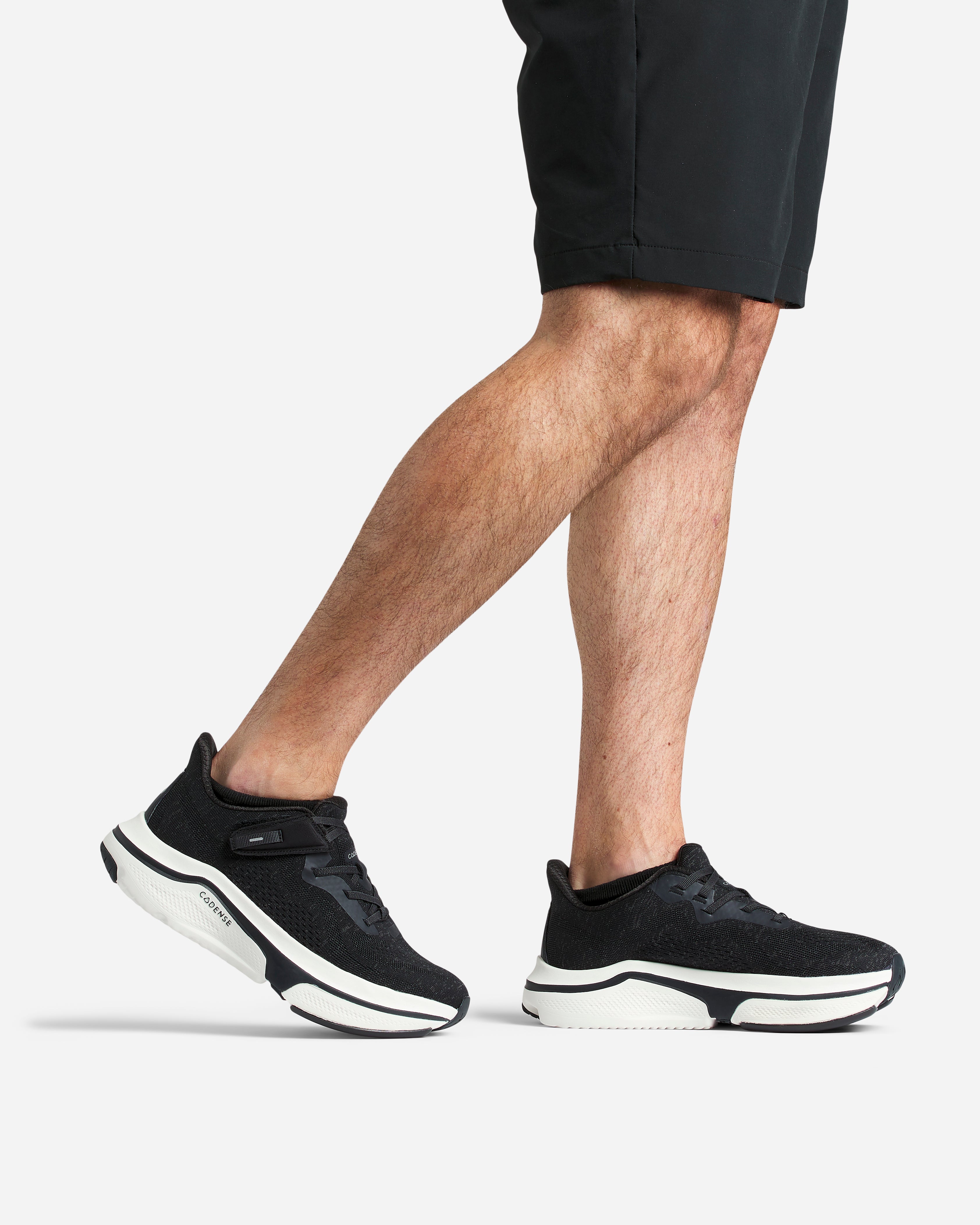
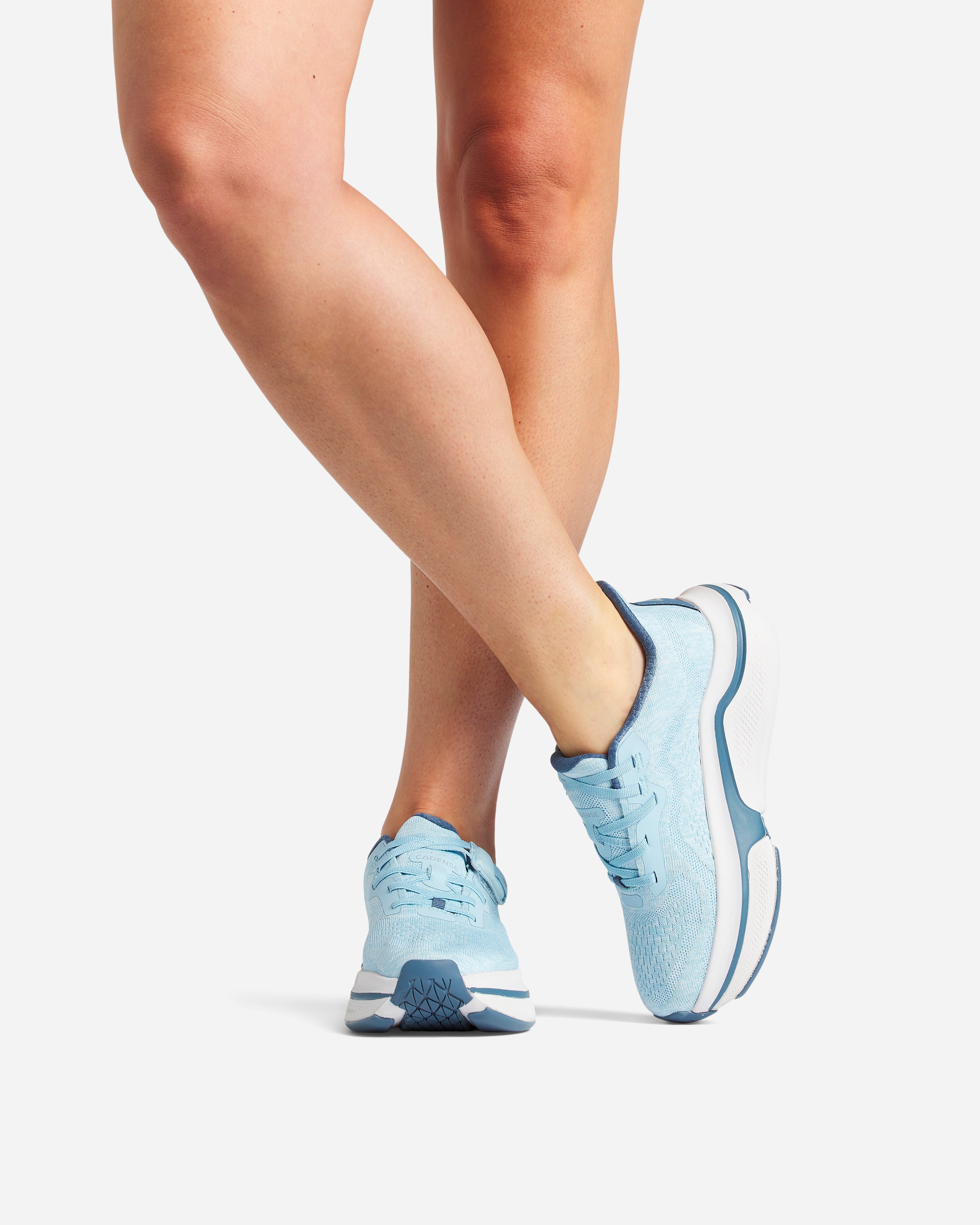
Cadense adaptive trainers are designed specifically for mobility challenges and include features that work well alongside AFOs, including:
-
Wider toe boxes for extra room and comfort
-
Lightweight flexible soles that support smoother movement
-
Stable, supportive designs that help reduce slips and stumbles
-
Easy on/off construction for everyday convenience
Together, supportive trainers and braces create a more secure foundation for safer walking.
How Braces and Physiotherapy Work Together
Braces are often most effective when combined with physiotherapy. Whilst the brace provides support during walking, physiotherapy focuses on strengthening muscles, improving coordination, and helping retrain movement patterns.
A physiotherapist may help you:
-
Improve ankle strength and stability
-
Practise safer gait patterns
-
Reduce compensatory movement habits
-
Build confidence when walking indoors and outdoors
Over time, this combined approach can help daily movement feel more manageable and less tiring.
Tips for Using a Drop Foot Brace Safely
Adjusting to a brace can take time, especially in the early stages. Small changes to your routine can help improve comfort and confidence.
Helpful tips include:
-
Start gradually and increase wear time slowly
-
Check daily for rubbing or pressure areas
-
Wear supportive trainers designed for braces
-
Follow any strengthening exercises recommended by your physiotherapist
-
Reassess your fit if your walking changes over time
Consistency and proper support often make the biggest difference.
Support Safer Daily Movement
Choosing the right braces for drop foot can help make walking feel steadier, safer, and less exhausting. When combined with physiotherapy and supportive footwear, braces can reduce trips and falls whilst helping maintain independence and confidence in daily life.
If you’re looking for adaptive trainers designed to work comfortably with AFOs and mobility challenges, explore the Cadense collection here:
Shop Cadense UK: https://cadense.co.uk/