How Adaptive Foot Drop Footwear Works With Braces and Therapy
Living with foot drop can make everyday movement feel more tiring and unpredictable. When lifting the front of the foot becomes difficult, simple activities like walking through the house, climbing stairs, or navigating uneven pavements can increase the risk of trips, slips and falls.
For many people, managing foot drop is not about relying on one single solution. The best support often comes from combining physical therapy, braces such as AFOs, and adaptive footwear that is specifically designed for mobility challenges.
The right footwear can help improve comfort, stability, and walking confidence while supporting the work being done through therapy and bracing.
How Foot Drop Affects Daily Mobility
Foot drop changes the way the foot moves during walking. Instead of lifting smoothly, the foot may drag or slap against the floor, forcing the body to compensate in other ways.
Many people notice:
-
Toes catching on carpets, kerbs, or uneven ground
-
A higher stepping gait to clear the foot while walking
-
Fatigue in the legs, hips, or lower back
-
Reduced confidence when walking outdoors or for longer distances
-
Difficulty walking safely on stairs or slopes
Over time, these compensations can place extra strain on the body and make everyday movement feel exhausting.
How Adaptive Footwear Supports Foot Drop
Adaptive footwear is designed to support safer and more comfortable movement for people with mobility challenges. Rather than simply cushioning the foot, the right shoes help improve stability and encourage smoother movement patterns throughout the day.
Supportive foot drop footwear can help by:
-
Providing a stable base for improved balance
-
Supporting natural movement through lightweight soles
-
Reducing foot fatigue during walking
-
Helping improve confidence on uneven surfaces
-
Working comfortably alongside braces such as AFOs
For people managing foot drop long term, supportive footwear often becomes an important part of maintaining independence and daily comfort.

How Foot Drop Footwear Works With AFO Braces
Many people with foot drop use an ankle-foot orthosis (AFO) to help lift the foot during walking. While the brace provides structural support, footwear plays an equally important role in how comfortable and effective the brace feels.
Shoes that are too narrow, stiff, or heavy can make walking more difficult and uncomfortable when wearing an AFO.
Adaptive footwear helps by offering:
A wider fit for brace compatibility
Extra room allows the brace to fit comfortably without creating pressure points or restricting movement.
Lightweight, flexible soles
Flexible soles help encourage smoother walking mechanics and reduce the effort needed to move naturally.
Secure foot support
A supportive fit helps keep the foot stable inside the shoe, reducing unnecessary movement and improving balance.
Easier on-and-off access
Wide-opening designs make it simpler to put shoes on and remove them, particularly for people with reduced dexterity or limited mobility.
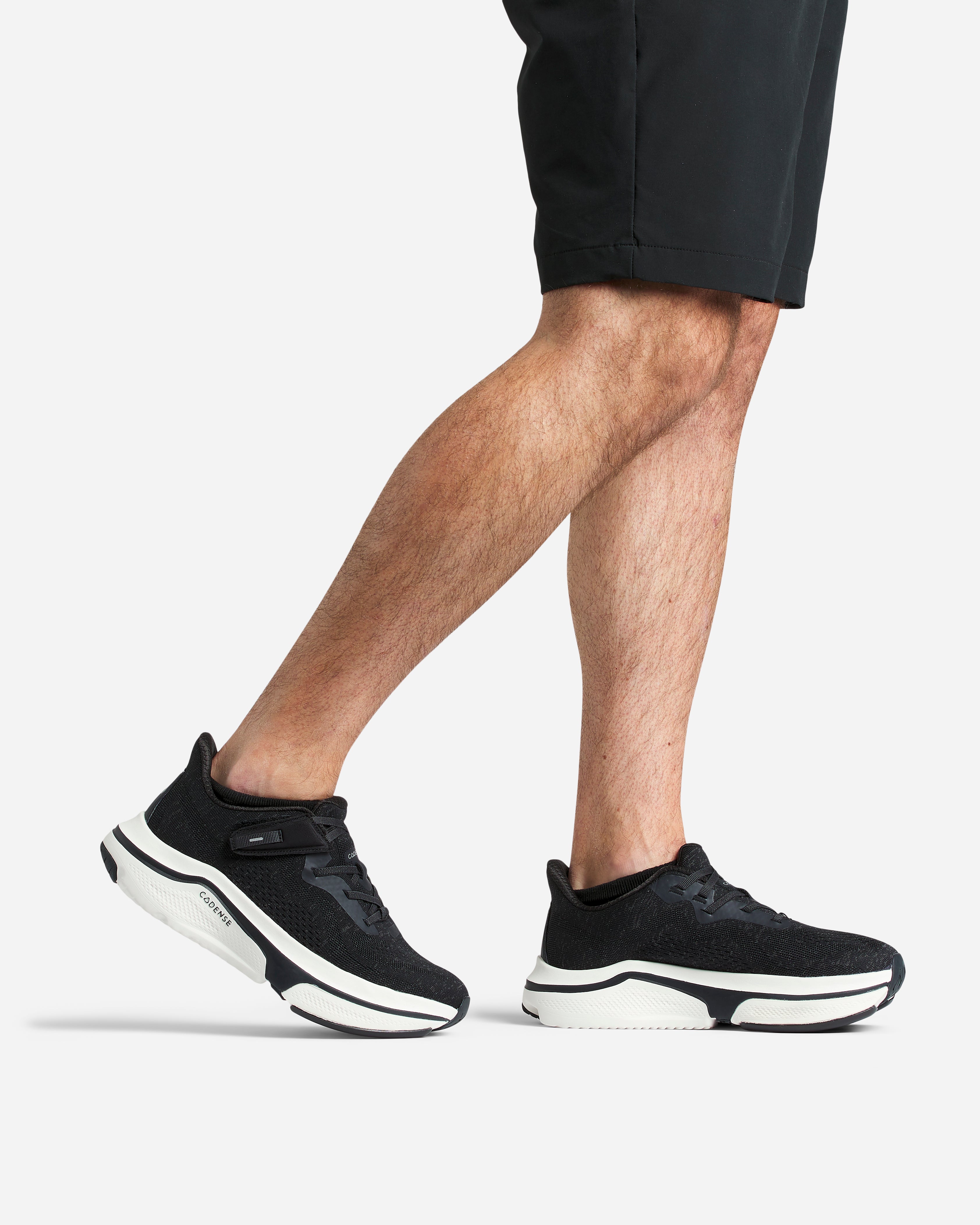
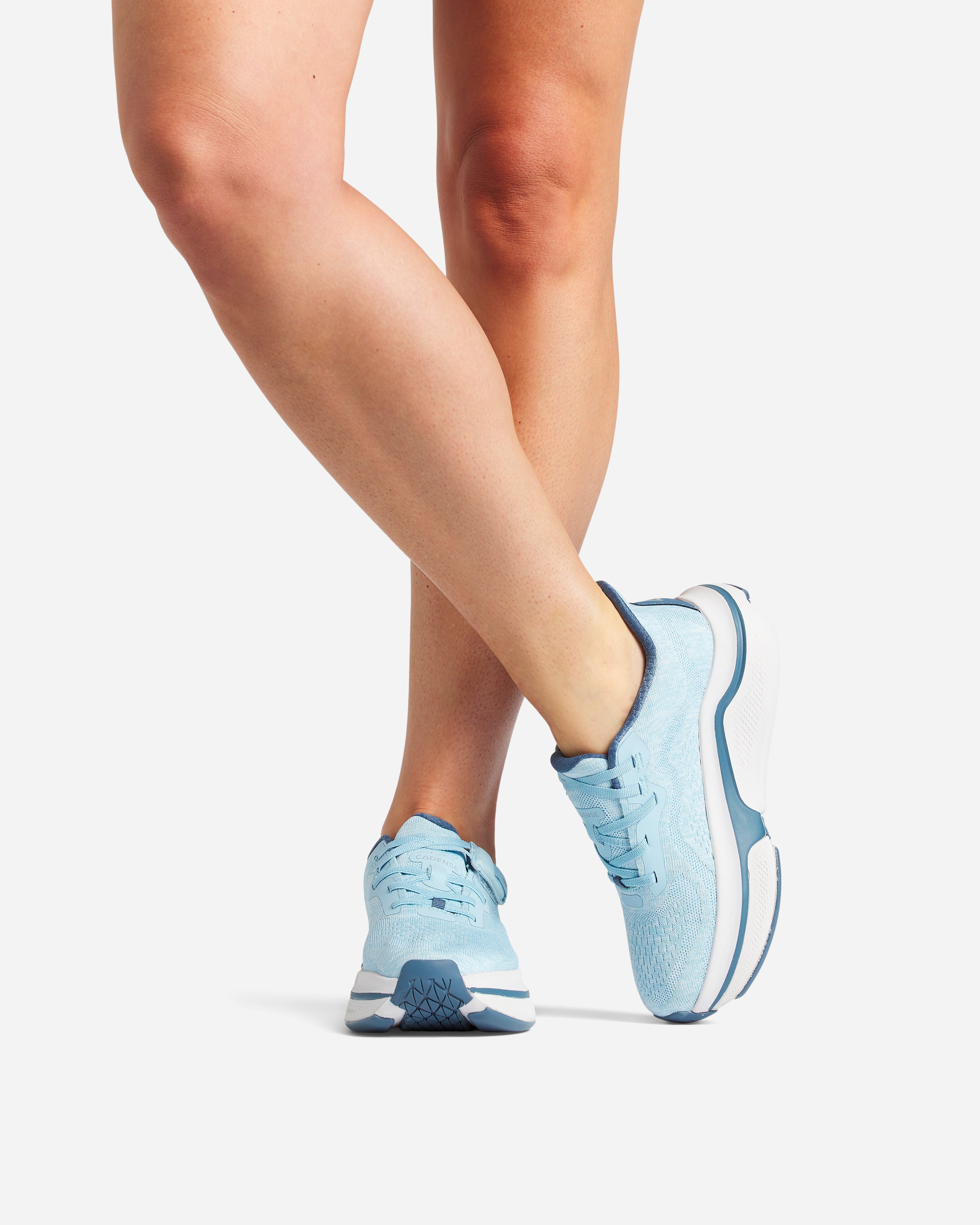
Cadense adaptive footwear is designed with these mobility needs in mind, helping wearers feel more secure and comfortable throughout the day.
How Foot Drop Footwear Complements Physical Therapy
Physical therapy is often one of the most important parts of managing foot drop. Therapy may focus on strengthening muscles, improving balance, and retraining walking patterns.
Supportive footwear helps reinforce these improvements outside of therapy sessions.
The right footwear can:
-
Improve stability during walking practice
-
Support safer movement indoors and outdoors
-
Reduce fatigue during exercises and daily activity
-
Encourage more natural foot positioning
-
Help carry therapy progress into everyday routines
When footwear, therapy, and bracing work together, walking can feel smoother, safer, and less physically demanding.
Features to Look For in Foot Drop Footwear
Not all shoes work well for mobility challenges. If you are looking for footwear that supports foot drop, there are several features worth prioritising.
Wide toe box
A wider fit improves comfort and allows room for braces or swelling without squeezing the foot.
Flexible sole design
Shoes that bend naturally can help support smoother movement and reduce stiffness while walking.
Stable support
A supportive sole and secure fit help improve balance and reduce instability.
Lightweight construction
Heavy shoes can make lifting the foot harder and increase fatigue throughout the day.
Easy fastening systems
Wide openings, adjustable fastenings, or easy-entry designs can make footwear far easier to manage independently.
Tips for Safer Daily Walking With Foot Drop
Alongside therapy and supportive footwear, a few simple habits can help improve walking safety and confidence.
-
Wear supportive footwear consistently throughout the day
-
Follow physical therapy exercises regularly
-
Use an AFO if recommended by your healthcare provider
-
Keep walkways clear of loose rugs or clutter
-
Monitor for pressure points or changes in comfort
-
Take breaks if fatigue begins affecting balance or walking control
Small adjustments can make a meaningful difference in long-term mobility and confidence.
Support Safer Movement Every Day
Managing foot drop often requires a combination of support strategies rather than a single solution. Adaptive footwear, physical therapy, and bracing all work together to improve walking comfort, stability, and safety.
With the right support, many people feel more confident moving through daily life while reducing the risk of trips, slips and falls.
Explore Cadense UK adaptive footwear designed to support safer, more comfortable mobility every day.