
Early Foot Drop Symptoms and How to Recognise Them
Foot drop is a condition that makes it difficult to lift the front part of the foot while walking. In many cases, it develops gradually, and the early signs can be easy to miss. Recognising foot drop symptoms early is important because timely support — such as physiotherapy, braces, or the right trainers — can help protect mobility, balance, and independence.
In the early stages, small changes in the way you walk can increase fatigue and raise the risk of trips, slips, and falls. Understanding what to look out for allows you to take action before walking becomes more challenging.
What Are the Early Symptoms of Foot Drop?
Early foot drop symptoms often appear subtly. Physiotherapists and neurologists commonly highlight the following signs:
-
Toe dragging – your toes may lightly scrape the ground when you walk
-
Frequent tripping or catching your foot – especially on carpets, thresholds, or uneven pavements
-
High-stepping gait – lifting the knee higher than usual to avoid dragging the foot
-
Foot or lower-leg fatigue – discomfort or tiredness after short walks
-
Difficulty lifting the front of the foot – often noticeable on stairs or when stepping over objects
These symptoms can affect both adults and children. Spotting them early can help prevent further mobility issues.
What Causes Early Foot Drop Symptoms?
Foot drop symptoms can stem from a variety of underlying causes. Identifying the reason can help guide treatment and footwear choices. Common causes include:
-
Nerve injury – damage to the peroneal nerve affecting foot lift
-
Neurological conditions – such as stroke, multiple sclerosis, or cerebral palsy
-
Muscle weakness – reduced strength in the ankle or lower leg
-
Spinal cord or brain injury – disrupting the signals that control movement
Even mild symptoms can affect balance and walking efficiency, which is why early recognition matters.

How Can You Monitor Foot Drop Symptoms Over Time?
Paying attention to small changes can help you act early. Helpful ways to monitor symptoms include:
-
Watching for changes in your gait, such as dragging toes or shorter steps
-
Noticing whether walking short distances feels more tiring than before
-
Keeping track of trips, stumbles, or near-falls
-
Checking whether your trainers still feel supportive and stable
-
Seeking early advice from a physiotherapist or neurologist
Monitoring these signs can help determine whether foot drop is developing or progressing.
How Cadense Trainers Support Early Foot Drop Symptoms
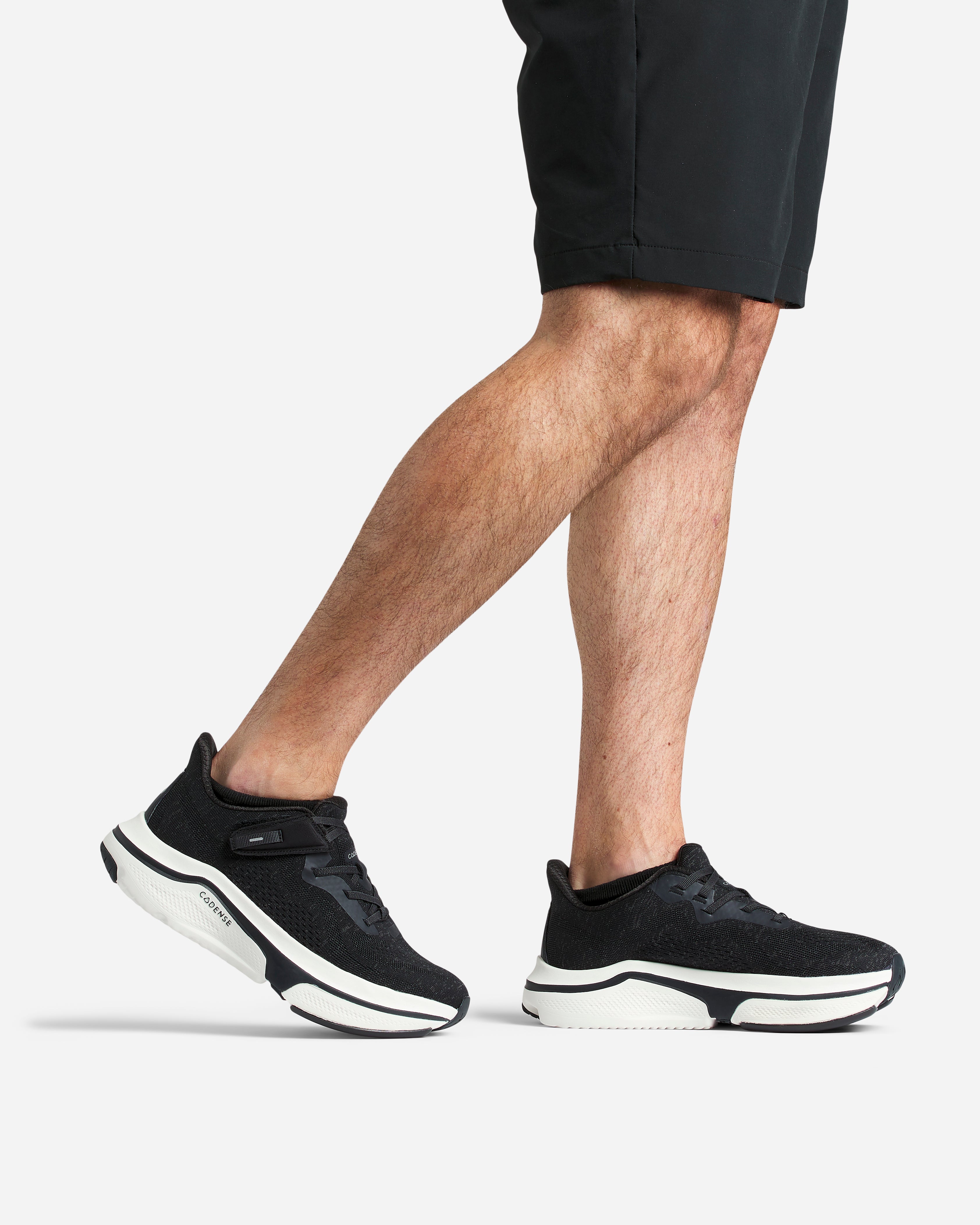
Even in the early stages, the right trainers can make a meaningful difference to comfort and stability. Cadense adaptive trainers are designed to support people experiencing foot drop by offering:
-
Wide toe box to reduce pressure and accommodate braces if needed
-
Lightweight, flexible soles to support natural movement and reduce fatigue
-
Secure, supportive fit to help keep the foot stable while walking
-
Easy on/off entry for everyday independence
-
Patented Variable Friction Technology to support balance and stride control
When combined with physiotherapy or AFO braces, Cadense trainers can help people walk more confidently while reducing the risk of trips, slips, and falls.
Why Early Action Makes a Difference
Recognising and addressing early foot drop symptoms can:
-
Reduce fatigue and discomfort when walking
-
Support confidence and independence in daily activities
-
Help minimise accidents, trips, slips, and falls
-
Protect long-term foot and ankle health
Taking action early gives you more control over how foot drop affects your mobility.
Choosing Trainers to Support Early Foot Drop
When selecting trainers to help manage early foot drop symptoms, look for:
-
A wide toe box for comfort and stability
-
Lightweight, flexible soles to reduce effort
-
A secure fit to limit wobble or uneven movement
-
Easy on/off design for daily wear
-
Breathable materials for all-day comfort
Cadense trainers are built with these features in mind, making them a practical option for everyday walking support.
Explore Cadense Trainers for Foot Drop Support
Cadense adaptive trainers are designed to support people experiencing early foot drop symptoms, helping improve comfort, balance, and confidence while reducing the risk of trips, slips, and falls.
Explore the Cadense collection and find the right trainers for safer, more confident walking at: https://cadense.co.uk/