
What Is Foot Drop and How Does It Affect Daily Walking?
If you’ve noticed your foot catching on the ground, difficulty lifting your toes, or frequent tripping while walking, you may be experiencing foot drop. Foot drop is a condition that makes it hard to lift the front part of the foot, often caused by muscle weakness or nerve disruption.
For people living with foot drop, everyday movement can become frustrating. Simple activities like walking across the room, going outside, or using stairs may require extra effort and concentration. Over time, this can affect confidence and increase the risk of trips, slips, and falls.
Foot drop isn’t a condition on its own — it’s a symptom linked to a range of neurological or muscular issues. Understanding how it affects walking is the first step towards finding the right support.
What Causes Foot Drop?
Foot drop can develop for a number of reasons. Identifying the cause can help guide treatment, therapy, and footwear choices. Common causes include:
-
Nerve damage – injury to the peroneal nerve can interrupt signals that lift the foot
-
Neurological conditions – such as stroke, multiple sclerosis, or cerebral palsy
-
Muscle weakness – reduced strength in the ankle or lower leg
-
Spinal cord or brain injury – affecting movement control
While the causes vary, the impact on walking is often similar: reduced toe lift, altered gait, and increased effort with each step.
How Does Foot Drop Change the Way You Walk?
Foot drop alters natural walking patterns, which can make movement feel tiring, uncomfortable, or unsafe. Common challenges include:
-
Toe drag – increasing the likelihood of catching the foot on carpets, pavements, or thresholds
-
High-stepping gait – lifting the knee higher than normal to clear the ground, which increases fatigue
-
Reduced balance – weaker ankle control can make standing and walking feel unstable
-
Foot discomfort – poorly fitting trainers can create pressure points or rubbing
These changes often lead people to limit activity, which can affect independence and overall wellbeing.
How the Right Trainers Can Help With Foot Drop
Alongside physiotherapy or AFO braces, the right trainers can make a significant difference. Trainers designed for foot drop focus on stability, comfort, and ease of movement.
Key features to look for include:
-
Wide toe box – provides space for the foot or brace without pressure
-
Lightweight, flexible soles – support natural movement and reduce effort
-
Supportive fit – helps keep the foot stable during walking
-
Easy on/off design – useful if mobility or dexterity is limited
Well-designed trainers work alongside braces and therapy to create a safer, more comfortable walking experience.

How Cadense Trainers Support Foot Drop
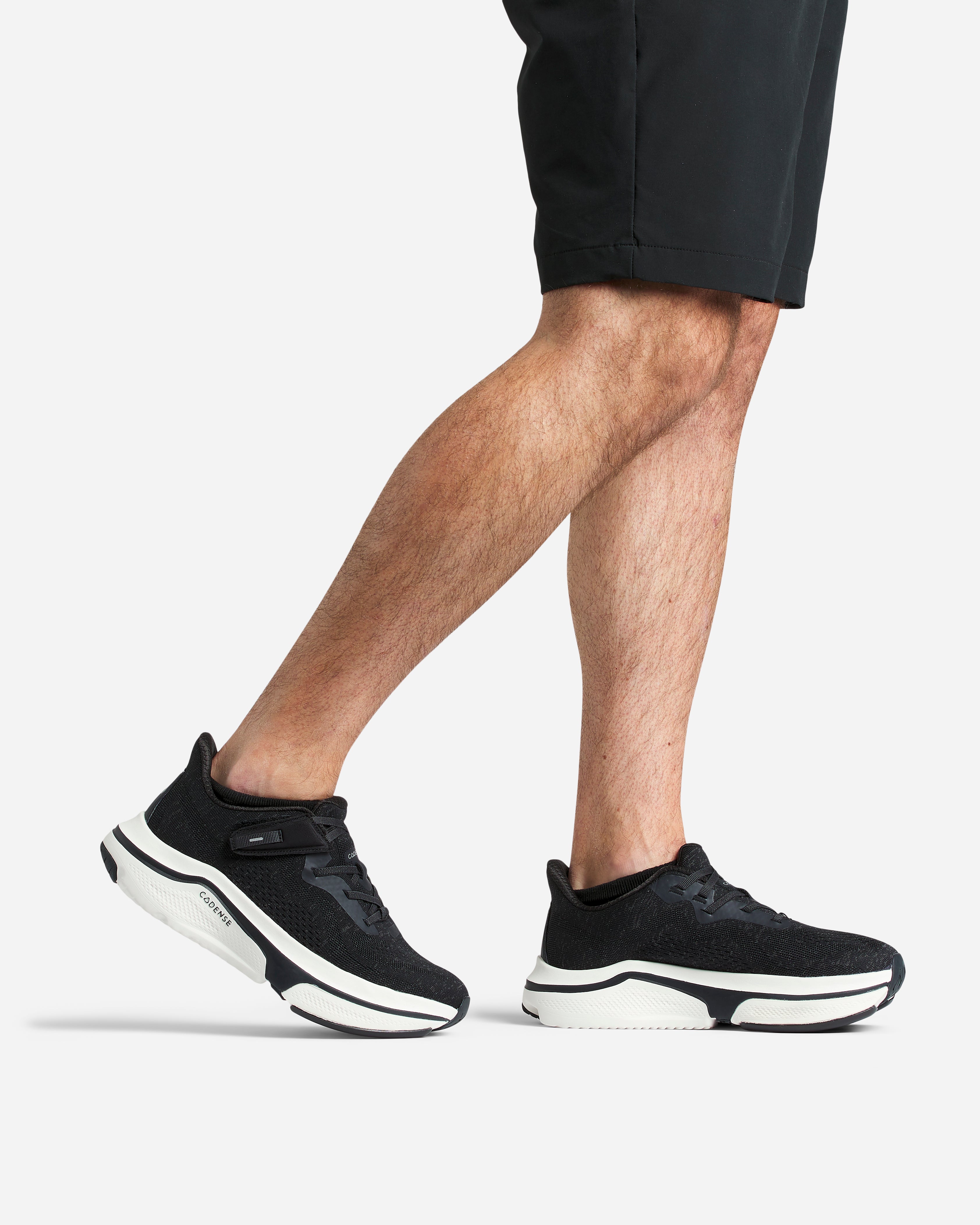
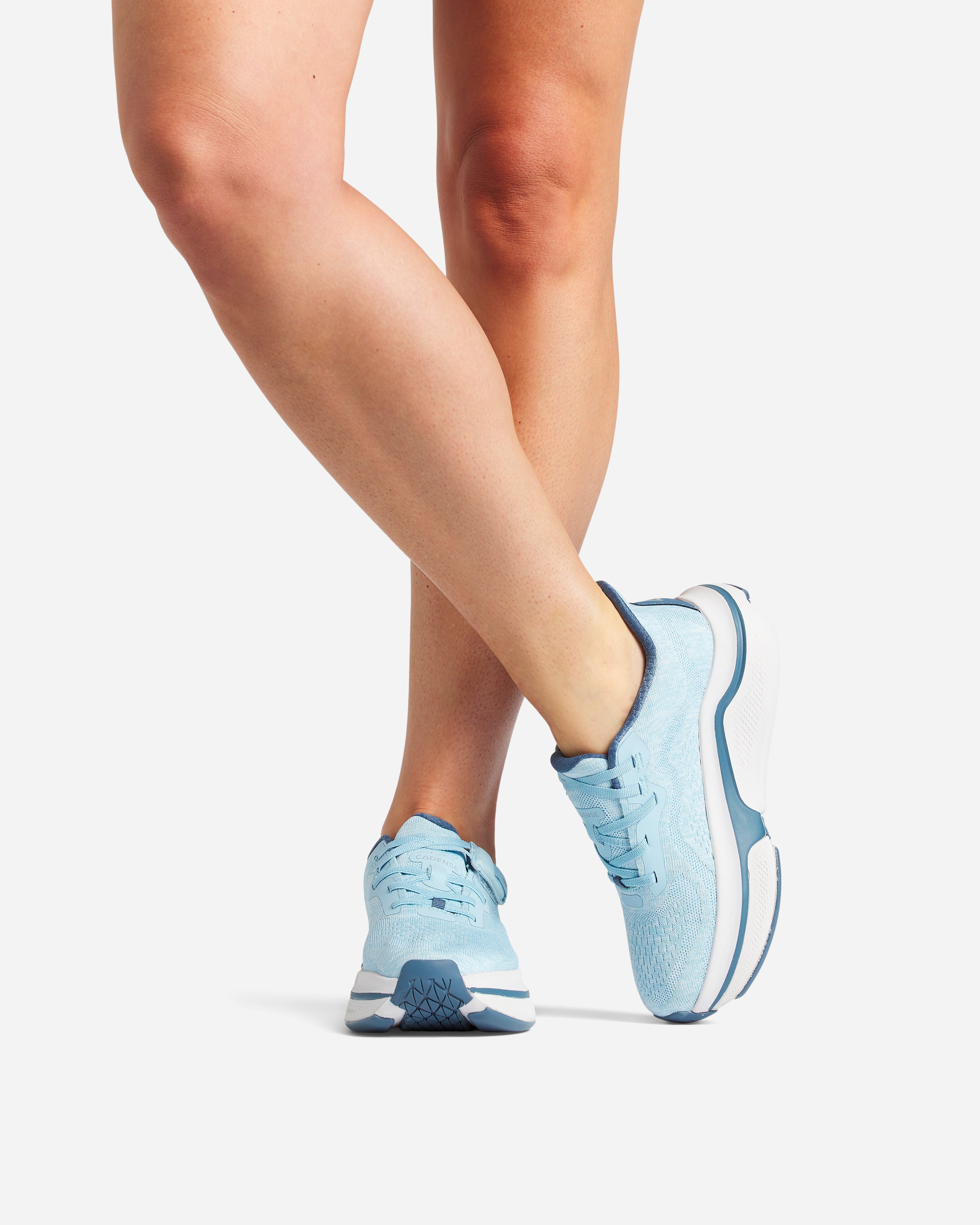
Cadense adaptive trainers are designed specifically for people managing mobility challenges like foot drop. Each detail is informed by movement specialists and real-world wearers.
Key features include:
-
Patented Variable Friction Technology to support balance and stability
-
Wide toe box to improve comfort and accommodate AFOs
-
Lightweight, flexible soles to help reduce fatigue and support foot lift
-
Secure yet comfortable fit that doesn’t create pressure points
-
Easy on/off entry to support daily independence
When worn alongside physiotherapy or AFO braces, Cadense trainers help people walk with greater confidence while reducing the risk of accidents, trips, slips, and falls.
Who Can Benefit From Trainers Designed for Foot Drop?
Adaptive trainers for foot drop can support a wide range of people, including:
-
Individuals recovering from a stroke
-
People living with neurological conditions such as MS or cerebral palsy
-
Older adults experiencing balance or mobility challenges
-
Anyone who wears an AFO brace
The right trainers can help improve comfort, confidence, and independence in everyday life.
Tips for Choosing Trainers for Foot Drop
When selecting trainers for foot drop, keep these points in mind:
-
Choose a wide toe box to allow space for movement or braces
-
Look for flexible soles that support natural gait
-
Ensure a supportive, stable fit
-
Prioritise easy entry designs for daily wear
-
Opt for breathable materials for all-day comfort
Cadense trainers are built with all of these considerations in mind, making them a practical option for everyday walking.
Explore Cadense Trainers for Foot Drop
Cadense trainers are designed to support people living with foot drop by improving comfort, stability, and confidence — while helping reduce trips, slips, and falls in everyday life.
Explore the adaptive trainer collection and find the right fit for your needs at: https://cadense.co.uk/