
How to Choose Good Trainers for Drop Foot That Don’t Look Medical
If you or someone you care for has drop foot, you’ll know how tricky it can be to balance comfort, safety, and personal style. Many trainers that accommodate AFOs or support weakened muscles look bulky or overly “medical”, which can make people feel self-conscious wearing them day to day.
The good news? That’s changing. Modern adaptive trainer design now proves that proper support and everyday style can — and should — go hand in hand.
In this guide, we’ll look at how to choose good trainers for drop foot that support movement without looking clinical.
Why the Right Trainers Matter for Drop Foot
Drop foot affects how the front of the foot lifts during walking. Without the right support, steps can feel heavy, uneven, or unstable — increasing the risk of trips and fatigue. Trainers designed for drop foot need to do more than simply fit; they should actively support how you move.
Good trainers for drop foot can:
-
Work with AFOs or braces rather than fighting against them
-
Improve stability and reduce the risk of tripping
-
Make walking feel smoother and more natural
-
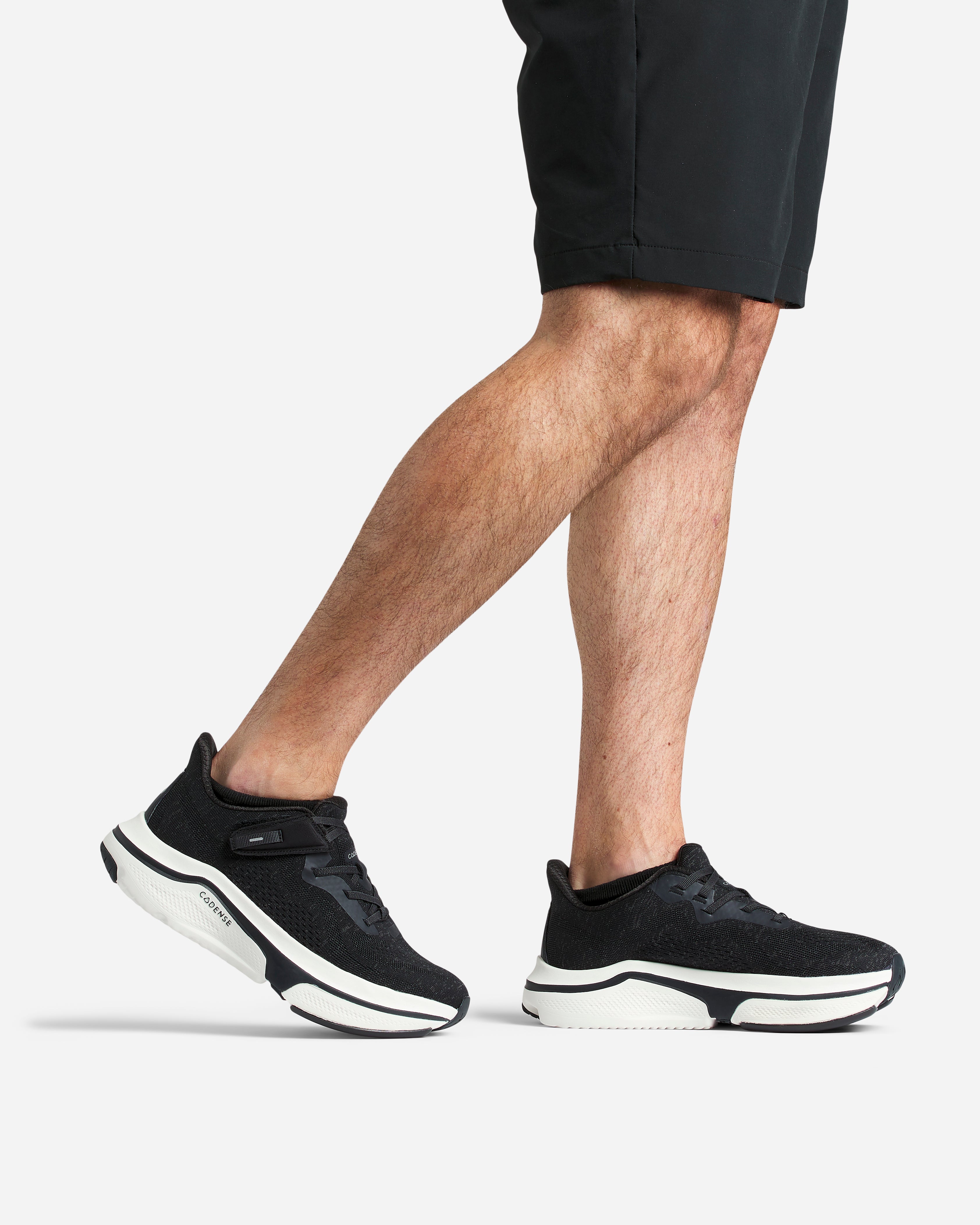
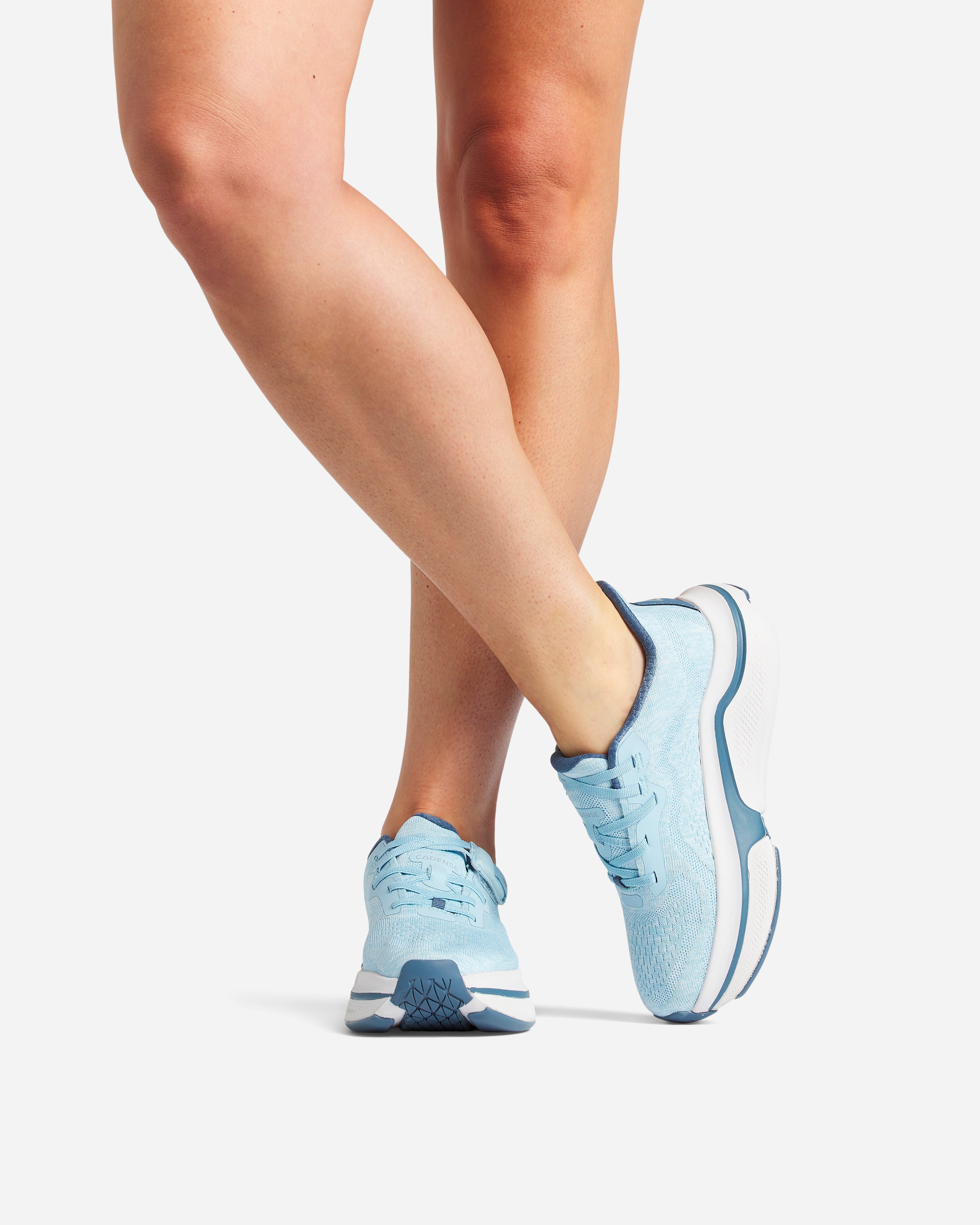
Support confidence by looking like everyday trainers, not medical equipment
It’s not just about function — it’s about independence and feeling comfortable moving through the world.
Key Features to Look For in Good Trainers for Drop Foot
When choosing adaptive trainers, certain design features make a real difference to comfort and mobility.
Wide, adjustable openings
Trainers with wide openings and easy-entry designs — such as side zips or fully opening uppers — make it far easier to put trainers on and take them off with an AFO. They reduce the need to bend or struggle with tight laces.
Removable insoles
Removable insoles create extra depth, making space for orthotics or AFOs without compressing the foot. This helps prevent pressure points and discomfort.
Stable, non-slip soles
A firm, supportive sole with good grip helps improve balance, particularly when toe lift is limited. The best trainers for drop foot offer stability without feeling stiff or restrictive.
Lightweight construction
Heavier trainers can make lifting the foot more tiring. Lightweight materials help reduce fatigue and make everyday walking feel less effortful.
AFO-friendly design
Not all trainers work well with braces. AFO-friendly trainers are designed with extra depth, wider heel cups, and secure structure to accommodate braces comfortably and safely.
Modern, low-profile styling
Supportive trainers no longer need to look orthopedic. Many adaptive trainers now resemble everyday trainers — sleek, simple, and versatile enough for daily wear.
Why Comfort Plays a Big Role in Confidence
For many people with drop foot, comfort often comes at the expense of style — but it doesn’t have to. When trainers feel good, posture improves, movement becomes more natural, and fatigue is reduced.
Supportive, well-fitting trainers can:
-
Reduce muscle strain and joint stress
-
Make walking feel less tiring
-
Encourage people to stay active for longer
Just as importantly, when trainers look good, people feel more confident wearing them — and confidence changes how you move.

How Cadense Combines Support and Style
At Cadense, we believe adaptive trainers should support you without defining you. Our trainers are designed to work seamlessly with AFOs, support natural gait, and still look like trainers you’d choose to wear every day.
Features such as flexible soles, supportive heel structure, and easy-entry side zips are designed to help people managing drop foot move comfortably and confidently — without drawing attention to the condition itself. Each design is informed by physical therapists, orthotists, and real-world wearers to ensure the right balance between clinical support and everyday style.
Whether you’re heading out for errands or meeting friends, Cadense trainers are made to work with your mobility needs — not against your confidence.
Tips for Getting the Right Fit
Even the best trainer design won’t help if the fit isn’t right. Keep these tips in mind:
-
Always try trainers on with your AFO or orthotics
-
Look for adjustable fastenings to allow for daily swelling
-
Check that the sole flexes slightly at the ball of the foot but stays supportive through the arch
-
Walk around and notice any rubbing or pressure points
Comfort isn’t just how trainers feel when you first put them on — it’s how they support you throughout the day.
You Don’t Have to Choose Between Function and Style
Good trainers for drop foot should support your movement and your lifestyle. With the right adaptive design, you can have trainers that feel supportive, look modern, and help you move with confidence.
That’s the goal at Cadense — creating adaptive trainers that feel natural, look good, and support everyday life on your terms.
Final Thoughts
Finding good trainers for drop foot no longer means settling for bulky or clinical designs. By choosing adaptive trainers that combine thoughtful support with modern styling, you can improve comfort, balance, and confidence all at once.
If you’re ready to explore trainers designed to support drop foot without looking medical, discover the Cadense UK collection at: https://cadense.co.uk/