

Common Mistakes People Make When Wearing AFOs
Ankle–foot orthoses (AFOs) can make a significant difference for people who need extra support, stability, or assistance with walking due to conditions such as stroke, cerebral palsy, or multiple sclerosis. However, even the most well-designed AFO will only work effectively if it’s worn correctly — and paired with the right trainers.
Small details are often overlooked, but they can lead to bigger issues over time, including discomfort, reduced mobility, or skin irritation. Below are some of the most common mistakes people make when wearing AFOs, along with practical ways to avoid them.
Wearing Trainers That Aren’t Designed for AFOs
One of the most common challenges AFO users face is finding trainers that actually work with their brace. Standard trainers are rarely designed to accommodate the extra depth, structure, or adjustability an AFO requires.
The issue:
Trainers that are too tight can cause pressure points or skin irritation.
Trainers that are too loose can reduce stability and make walking feel unsteady.
Poorly designed trainers may interfere with how the AFO functions, affecting alignment and gait.
What helps:
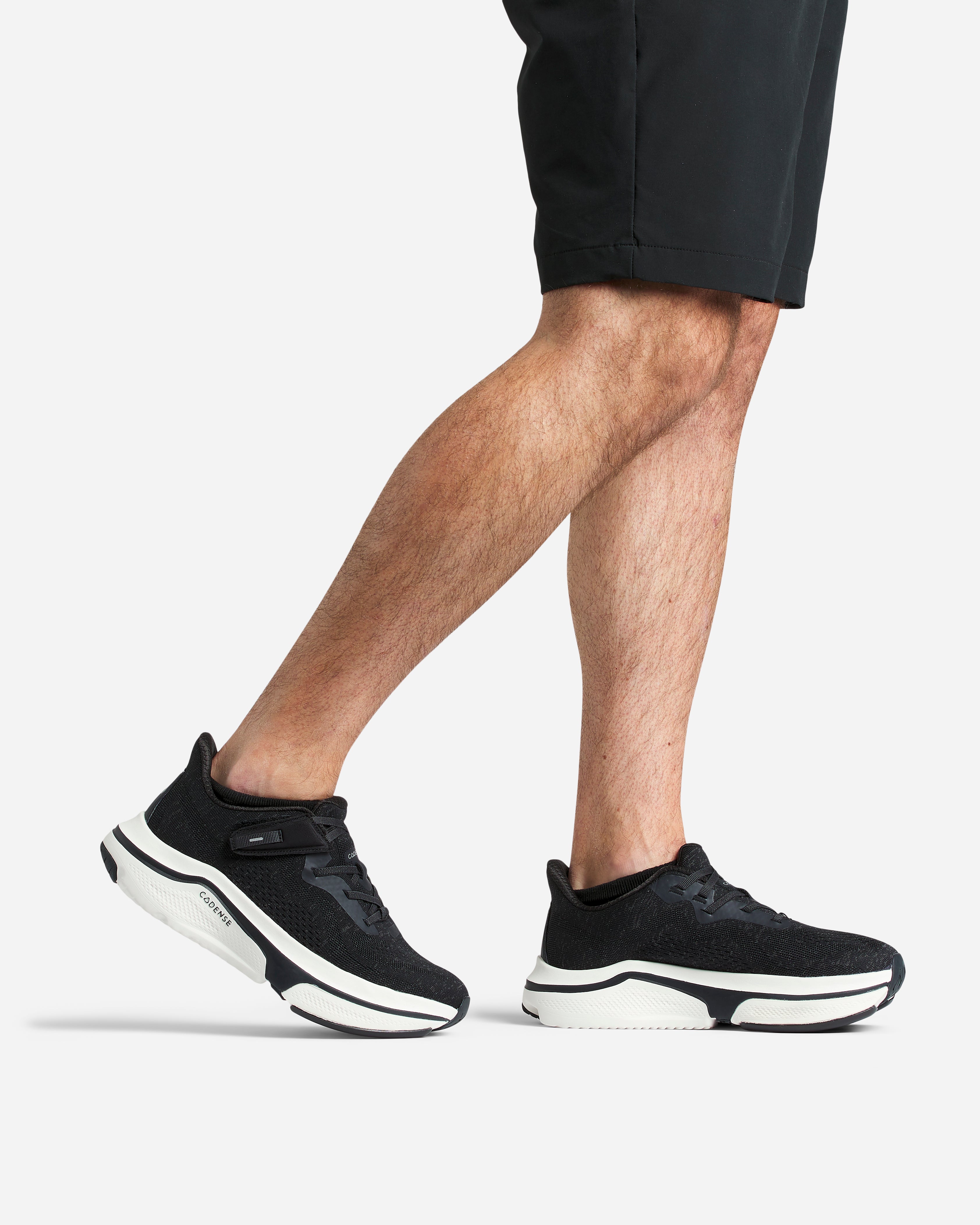
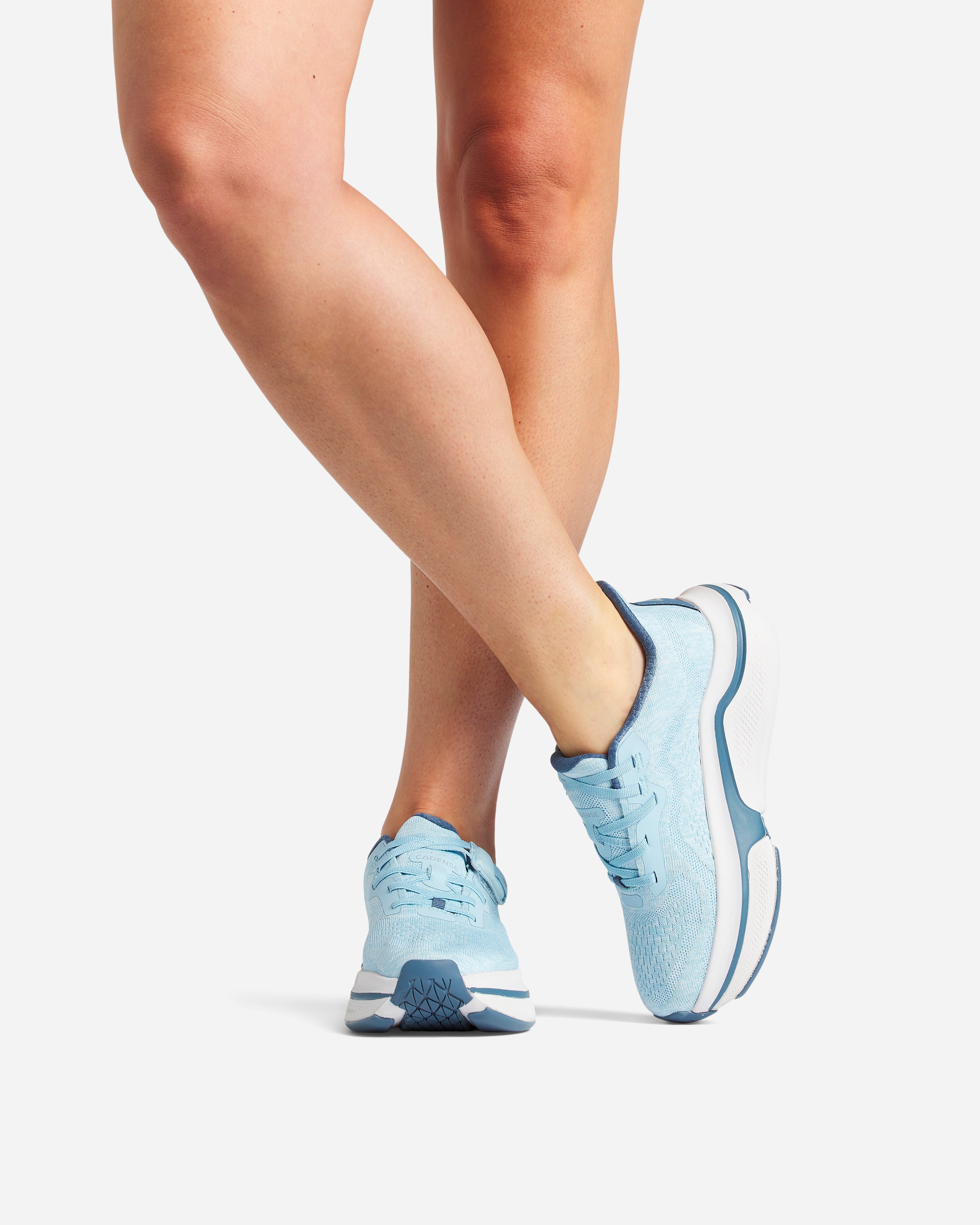
Choose AFO-friendly or adaptive trainers with wider openings, removable insoles, and adjustable fastenings such as zips or straps. These features make it easier to position the AFO properly and achieve a secure, balanced fit. Cadense trainers are designed with AFO wearers in mind, combining everyday comfort with functional support.
Not Checking Fit on a Regular Basis
Even if your AFO and trainers feel comfortable at first, fit can change over time. Swelling, weight changes, or everyday wear can all affect how your brace and trainers work together.
The issue:
A poorly fitting AFO may start to rub, shift, or feel unstable. Ignoring these early signs can lead to skin irritation or reduced mobility.
What helps:
Check the fit of your AFO and trainers regularly — ideally every few weeks. Your heel should feel secure, straps should be firm but not tight, and your toes should have room to move. If something doesn’t feel right, speak with your orthotist or physiotherapist rather than trying to adjust it yourself.
Skipping Socks or Wearing the Wrong Ones
Socks may seem like a small detail, but they play an important role in comfort and skin health when wearing an AFO.
The issue:
Wearing an AFO against bare skin can cause friction and soreness.
Very thick or poorly fitting socks can make the brace feel too tight.
What helps:
Wear smooth, breathable, moisture-wicking socks with no bulky seams. Many people prefer cotton or bamboo blends. The key is avoiding wrinkles or folds that could create pressure under the brace.
Not Cleaning or Maintaining the AFO
AFOs are durable medical devices, but they still need basic care.
The issue:
Sweat and debris can build up over time, leading to discomfort or unpleasant odours.
Worn straps or padding can affect stability.
What helps:
Wipe your AFO daily with a damp cloth and mild soap. Check straps and fastenings regularly and replace them if they start to loosen or fray. Proper maintenance helps keep the brace comfortable and working as intended.
Ignoring Discomfort or Changes to the Skin
Pain, redness, or blisters are not something you should “push through” when wearing an AFO.
The issue:
Persistent discomfort usually means something isn’t fitting correctly — whether it’s the brace, the trainers, or both.
What helps:
If redness lasts more than 20 minutes after removing your AFO, contact your orthotist or healthcare professional. Adjustments to the brace or switching to more supportive trainers can often resolve the issue quickly.

Wearing Worn-Out Trainers
Even the best AFO won’t perform properly if it’s paired with trainers that have lost their structure.
The issue:
Uneven or worn soles can throw off alignment, leading to discomfort in the knees, hips, or lower back.
What helps:
Replace trainers every 6–12 months, or sooner if the soles are worn or uneven. Signs to watch for include reduced grip, flattened cushioning, or loose stitching. Supportive trainers are an investment — and replacing them on time helps protect your mobility.
Assuming Supportive Trainers Have to Look “Medical”
Many people still believe that trainers designed for AFOs must look bulky or clinical.
The issue:
Choosing trainers purely for appearance can compromise fit and comfort, while overly medical-looking footwear can affect confidence.
What helps:
Modern adaptive trainers, like those from Cadense, are designed to look like everyday footwear while still offering the support AFO users need. You shouldn’t have to choose between function and feeling good about what you wear.
Not Asking for Professional Advice
Trying to manage your AFO and trainer setup alone can lead to unnecessary discomfort.
The issue:
Without guidance, it’s easy to choose trainers that limit mobility or affect long-term alignment.
What helps:
Speak with your physiotherapist or orthotist about trainer recommendations that suit your gait and brace type. Many professionals understand how the right footwear can support day-to-day mobility as well as therapy goals.
Final Thoughts
Wearing an AFO doesn’t mean accepting discomfort or limited confidence. Most issues come down to small, fixable details — particularly trainer choice and fit.
If you’re experiencing pain, slipping, or restricted movement, it may be time to reassess your trainers. The right pair can make your AFO more effective, improve comfort, and help you move through daily life with greater ease and independence.
Explore AFO-friendly adaptive trainers designed for everyday comfort and confidence at:
https://cadense.co.uk/

%20can%20make%20a%20significant%20difference%20for%20people%20who%20need%20extra%20support,%20stability,%20or%20assistance%20with%20walking%20due%20to%20conditions%20such%20as%20stroke,%20cerebral%20palsy,%20or%20multiple%20s...)