Top Features to Look for in Shoes to Wear With AFO Braces
If you wear an AFO brace for foot drop, weakness, or ankle instability, finding trainers that fit comfortably can be frustrating. Many people experience discomfort, difficulty walking, or increased fatigue simply because their trainers aren’t designed to work with a brace.
Wearing trainers that aren’t AFO-compatible can put unnecessary strain on your feet and legs. They may pinch your toes, rub against the brace, or make it harder to keep your balance. That’s why choosing trainers specifically designed to work with AFO braces matters — not just for comfort, but for mobility, safety, and independence.
How AFO Braces Affect Your Footwear Choices
Ankle–foot orthoses (AFOs) are designed to support weakened ankles, improve foot positioning, and help reduce the risk of trips and falls. However, they also change how your foot sits inside a trainer.
Common challenges include:
-
Added bulk around the ankle and heel
-
Reduced flexibility in standard trainers
-
Difficulty fastening laces or tight openings
-
Pressure points caused by narrow toe boxes
Because of this, everyday trainers often don’t provide the space or structure needed to support both your foot and your brace properly.
Key Features to Look for in Trainers for AFO Braces
When choosing trainers to wear with AFO braces, certain features make a real, practical difference.
Wide toe box for comfort and stability
A wider toe box gives your toes room to spread naturally, even when wearing a brace. This reduces pressure, helps prevent rubbing, and can improve overall balance. Extra space at the front of the trainer also allows the brace to sit comfortably without forcing your foot into an awkward position.
Adjustable fastenings
Trainers with adjustable fastenings — such as Velcro straps, elastic laces, or zips — make it easier to get a secure fit over an AFO. Adjustability helps reduce pressure on sensitive areas and makes it easier to put trainers on without struggling.
Lightweight, flexible soles
Heavy trainers can make walking more tiring, especially if you’re already compensating for weakness or balance challenges. Lightweight, flexible soles support a more natural gait and allow the AFO to do its job without adding extra effort.
Stable heel support
A firm heel counter helps keep your ankle aligned with your brace. This added stability reduces wobbling, improves confidence, and supports safer walking — particularly on uneven pavements or indoor flooring.
Easy on / easy off design
Trainers that are easy to put on and take off save energy and reduce strain. Wide openings, side zips, or flexible uppers can make daily routines much simpler, especially if bending or reaching is difficult.
Breathable, cushioned materials
Comfort matters over long periods. Breathable fabrics help manage heat and moisture, while cushioned insoles reduce pressure and friction — helping prevent soreness or blisters during everyday wear.
How the Right Trainers Can Improve Daily Life
Wearing trainers that properly accommodate AFO braces can have a noticeable impact on everyday mobility and confidence.
Improved gait and efficiency
Flexible soles and a supportive fit allow you to walk with less effort, supporting a smoother, more natural stride.
Better balance and safety
Wide toe boxes, firm heel support, and stable soles help reduce the risk of trips, slips, and falls — particularly in busy or uneven environments.
Greater comfort throughout the day
Cushioned, breathable trainers reduce foot pain, making it easier to stay on your feet for longer without discomfort.
More independence
Easy on/off designs allow you to manage your footwear without help, supporting independence both at home and when out and about.

Tips for Choosing the Right AFO-Compatible Trainers
-
Try trainers on with your AFO to check fit and comfort properly
-
Walk on different surfaces to assess stability and confidence
-
Prioritise function over style — support and fit come first
-
Speak with your physiotherapist for guidance based on your gait and mobility needs
How Cadense Supports AFO Wearers
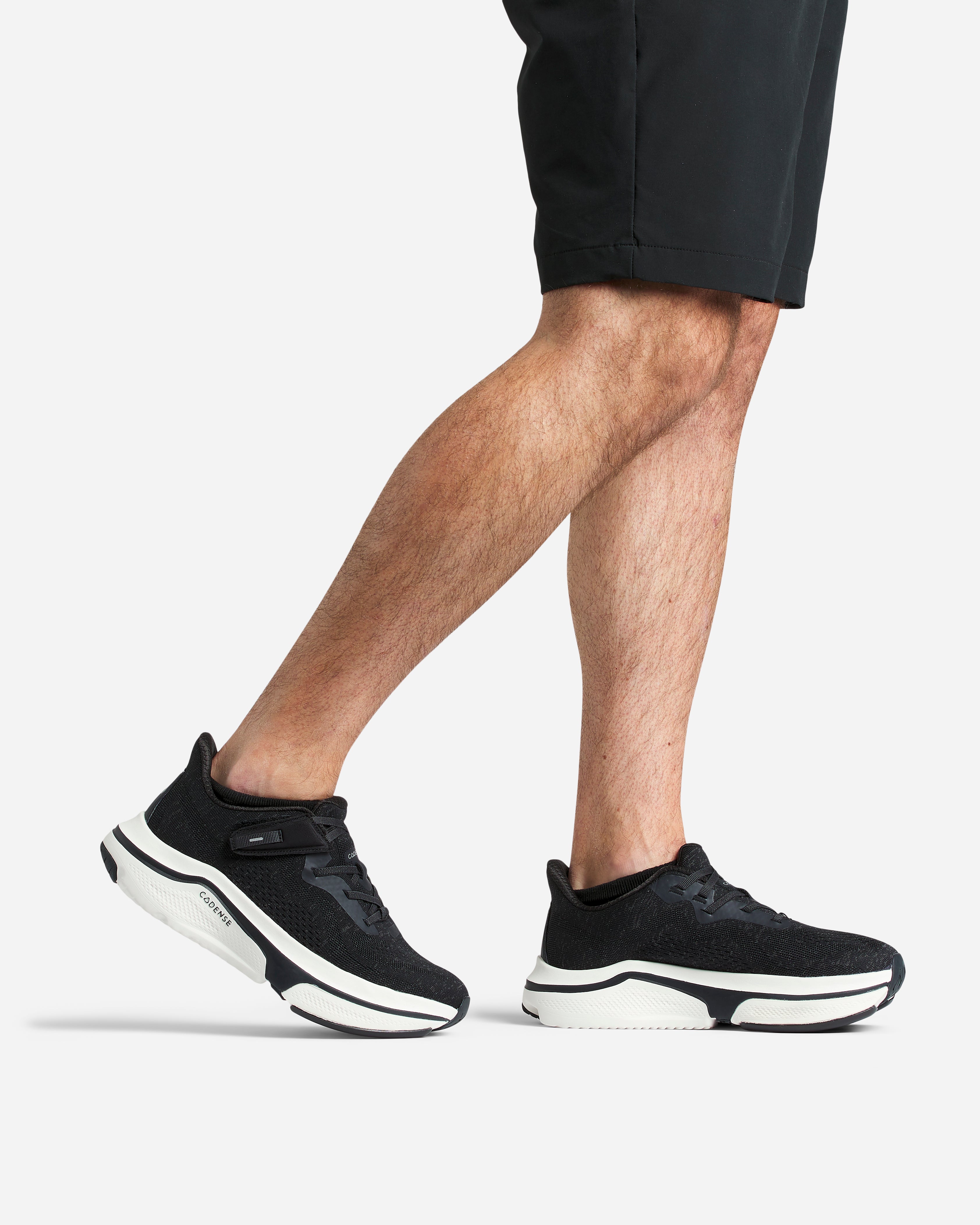
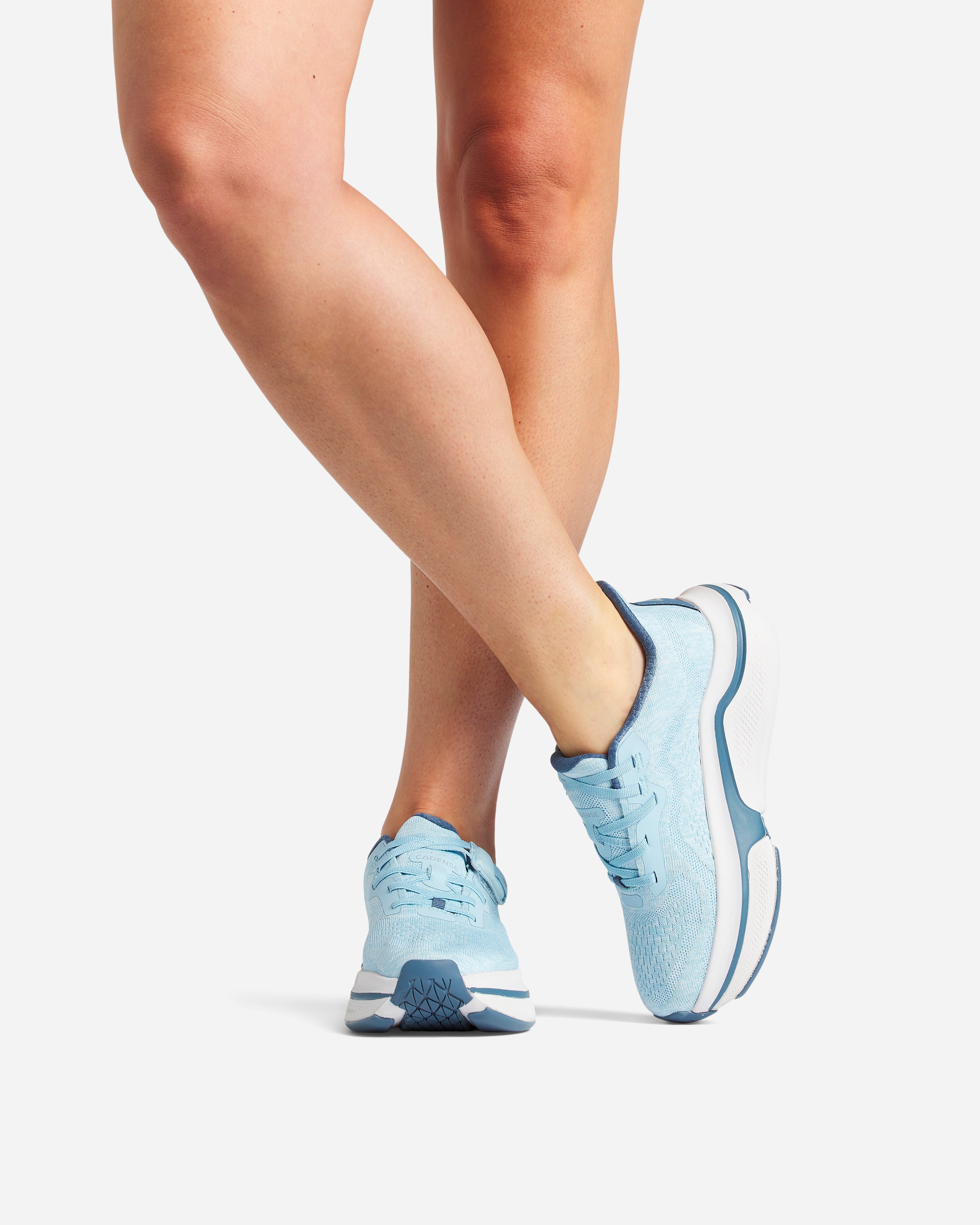
Cadense trainers are designed to work with AFO braces, not against them. Key features include:
-
Wide toe boxes to reduce compression
-
Lightweight, flexible soles for natural movement
-
Adjustable fastenings for easy on and off
-
Cushioned, breathable materials for all-day comfort
-
Supportive structure to improve balance and reduce fatigue
These features help make everyday movement feel more manageable, supporting confidence and independence.
Find the Right Trainers for You
Finding trainers to wear with AFO braces doesn’t have to be overwhelming. By focusing on fit, support, adjustability, and ease of use, you can reduce fatigue, improve balance, and move more confidently day to day.