

How Comfortable Trainers for Multiple Sclerosis Can Reduce Fatigue
Living with multiple sclerosis (MS) often means managing symptoms such as muscle weakness, foot drop, and balance difficulties. Even simple tasks — like moving around the house or popping out to the shops — can feel tiring. For many people with MS, fatigue is one of the biggest barriers to staying active, and the right footwear can make a noticeable difference.
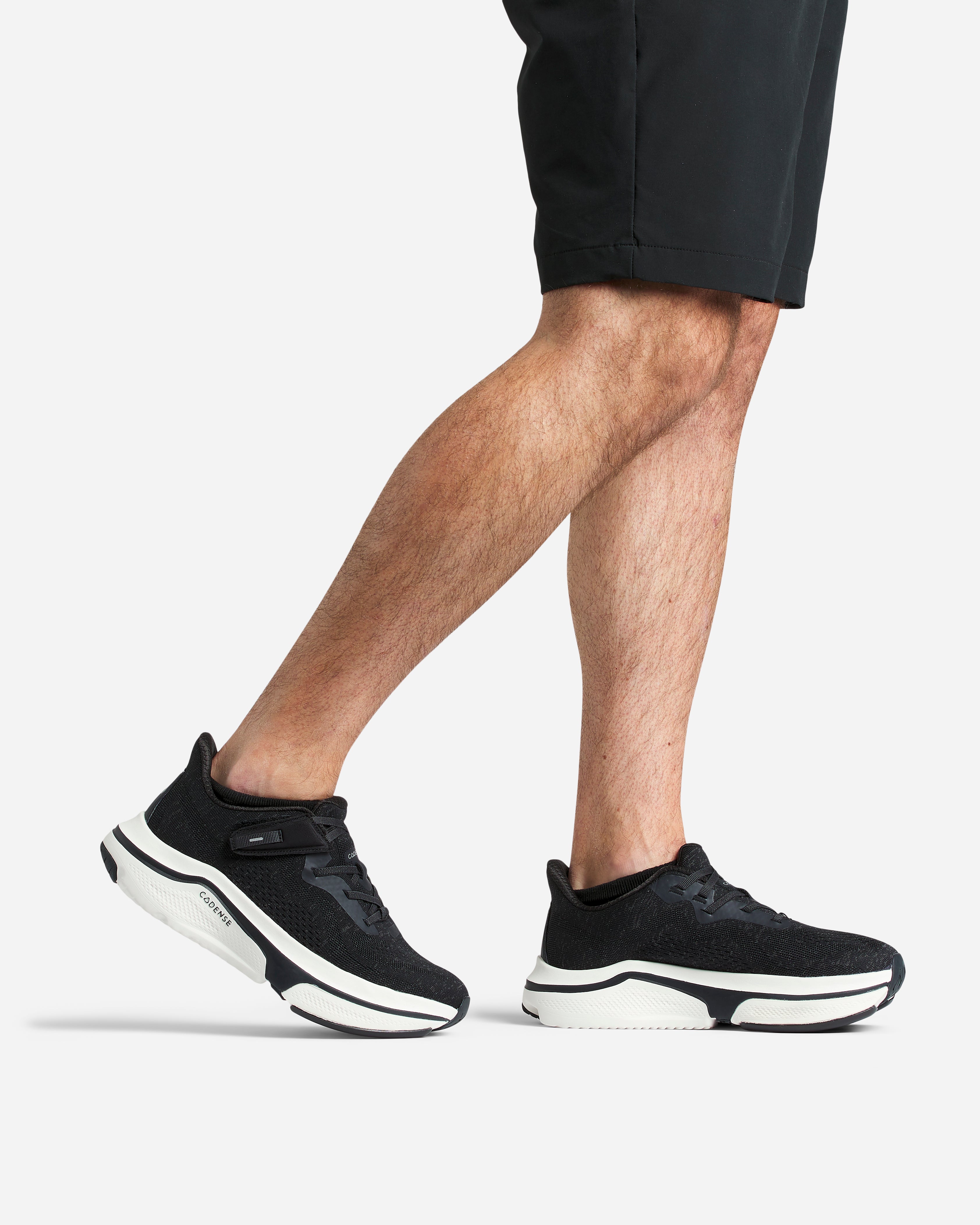
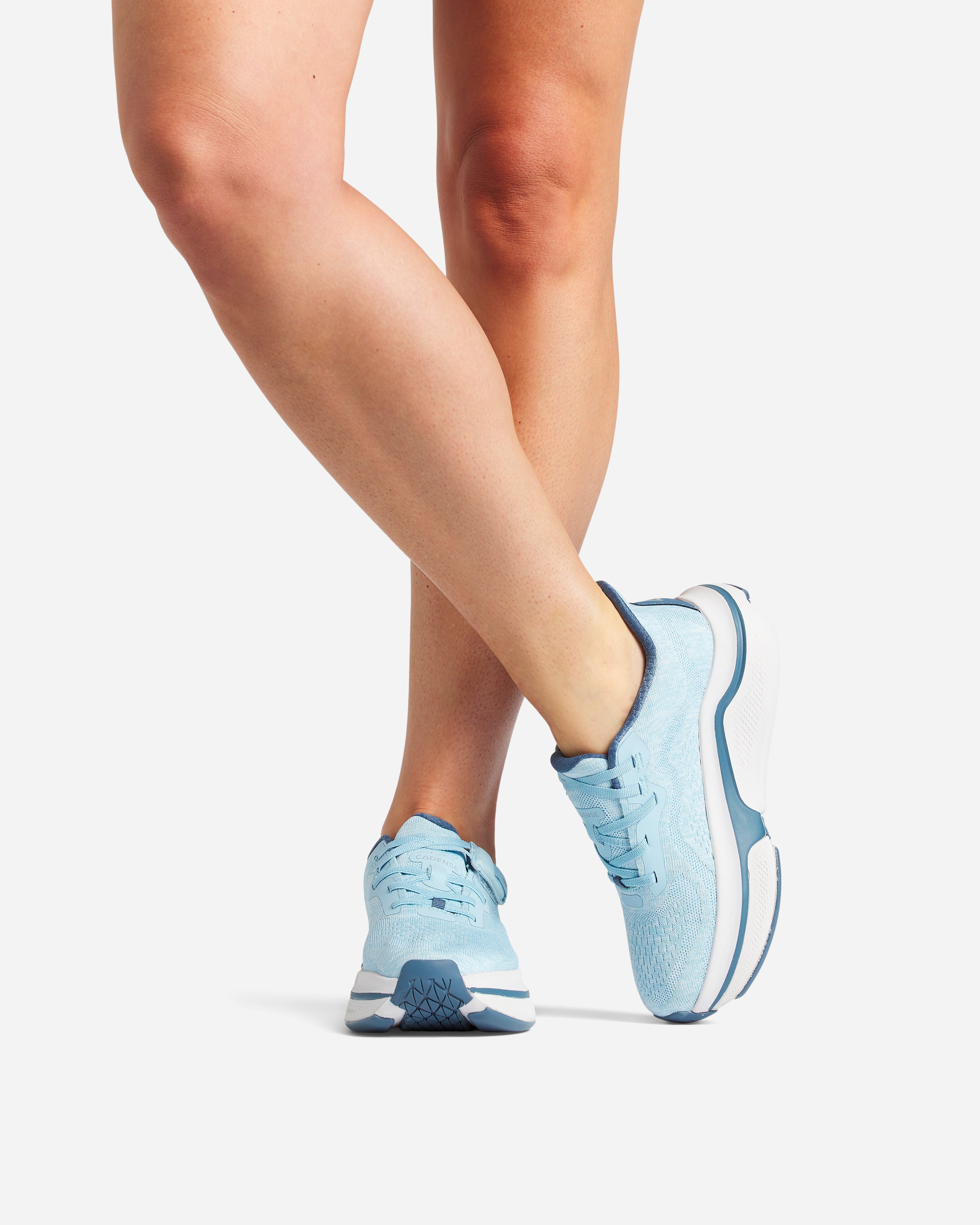
Comfortable trainers for multiple sclerosis are more than a convenience. They’re a practical support tool that can help conserve energy, improve stability, and make everyday movement feel more manageable. At Cadense, we focus on footwear designed for real mobility challenges, helping people move more safely and efficiently throughout the day.
How Multiple Sclerosis Affects Fatigue and Mobility
Multiple sclerosis affects the central nervous system, which can disrupt muscle control, coordination, and sensation in the feet and legs. Common mobility-related challenges include:
-
Weakness in the ankles or lower legs
-
Difficulty lifting the front of the foot (foot drop)
-
Balance instability or a shuffling gait
-
Muscle stiffness or spasticity
These symptoms make walking more physically demanding, meaning the body uses more energy with every step. Over time, this added effort contributes to ongoing fatigue. Supportive, well-designed trainers help reduce that load by improving alignment, stability, and movement efficiency.
What to Look for in Comfortable Trainers for MS
When choosing trainers for someone living with MS, focus on features that help reduce fatigue and support steady movement.
Wide toe box for comfort and balance
Allows toes to spread naturally, reducing pressure and helping with stability.
Lightweight, flexible soles
Make it easier to lift and move the foot, reducing effort during walking.
Supportive fit
Keeps the foot secure, limiting energy loss from compensatory movements.
Easy on / easy off design
Saves energy when putting trainers on or taking them off, especially for those with limited dexterity.
Breathable materials
Help keep feet comfortable throughout the day, reducing irritation that can add to fatigue.
Shock-absorbing midsole
Reduces impact on joints and muscles, making standing or walking for longer periods easier.

How the Right Trainers Can Help Reduce Fatigue
Well-designed trainers can reduce fatigue in several practical ways.
Improved gait efficiency
Supportive soles and a stable fit help maintain a smoother, more consistent stride. Less wobbling means less energy wasted with each step.
Reduced muscle strain
Good cushioning and alignment reduce overuse of the lower leg and foot muscles, meaning less effort is needed to stay balanced.
Better stability
A secure base and supportive design reduce the need to constantly correct balance, conserving energy.
Less foot discomfort
Trainers that prevent pressure points and compression help reduce pain, allowing people to stay active for longer without exhaustion.
Everyday Examples
Shopping trips
Mary, who lives with MS, found weekly supermarket trips exhausting. After switching to adaptive trainers, she noticed she could move through the aisles with less effort and still have energy left afterwards.
Daily walks
John wears lightweight trainers with flexible soles to conserve energy on his afternoon walks. By reducing the effort required with each step, he’s able to keep up his routine without feeling wiped out.
At work
Sarah spends much of her day on her feet. Trainers with cushioned soles and a roomy toe box help her stand more comfortably, reducing fatigue and improving concentration.
Choosing the Right Trainers for Multiple Sclerosis
A few practical tips can help when selecting footwear:
-
Try trainers on with any orthotics or braces to ensure a comfortable, stable fit
-
Walk on different surfaces, indoors and outdoors, to check balance and support
-
Prioritise fit and function over appearance — comfort directly affects fatigue
-
Speak with a physiotherapist or occupational therapist for personalised advice
![[color: light blue] Original Women's Adaptive Shoe](https://cdn.shopify.com/s/files/1/0949/4983/5042/files/Womens-BLU-T1-LG.jpg?v=1765557194)
Cadense Trainers for Multiple Sclerosis
Cadense designs adaptive trainers specifically to support people living with MS. Key features include:
-
Wide toe boxes to support balance and comfort
-
Lightweight, flexible soles for natural movement
-
Patented Variable Friction Technology to help reduce foot fatigue
-
Easy on/off designs that support independence
-
Supportive fit for weak ankles and balance challenges
Cadense trainers are designed to work alongside daily routines and therapy programmes, helping people with MS stay active, safe, and confident.
Final Thoughts
Fatigue is a common and frustrating part of living with multiple sclerosis, but the right trainers can make everyday movement feel less demanding. Comfortable, adaptive footwear helps reduce strain, improve balance, and support a more efficient gait — allowing energy to be saved for the things that matter most.
If you’re looking for comfortable trainers for multiple sclerosis that support mobility and reduce fatigue, explore Cadense adaptive trainers and discover how the right footwear can make daily life easier.
%20often%20means%20managing%20symptoms%20such%20as%20muscle%20weakness,%20foot%20drop,%20and%20balance%20difficulties.%20Even%20simple%20tasks%20%E2%80%94%20like%20moving%20around%20the%20house%20or%20popping%20out%20to%20th...)