
How an AFO for Foot Drop Helps Restore a Natural Walking Pattern
TL;DR
-
Foot drop causes toe dragging, steppage gait, foot slap, and fatigue that make everyday walking unsafe and exhausting
-
An AFO holds the foot in a lifted, neutral position to restore a more natural heel-to-toe walking pattern and reduce fall risk
-
Different AFO types suit different levels of foot drop, from rigid braces for severe weakness to flexible designs for milder cases
-
Pairing an AFO with properly fitted adaptive trainers maximises stability, comfort, and the effectiveness of the brace
-
Combining AFO use with physiotherapy leads to better long-term outcomes and helps reduce reliance on compensatory movements
Walking is something most people take for granted, but for individuals with foot drop, each step can be a genuine challenge. Foot drop occurs when the muscles responsible for lifting the front of the foot weaken or stop working, often due to nerve injury, neurological disorders, or muscle conditions. Without proper support, the toes may drag on the ground, leading to trips, stumbles, and an altered gait that causes fatigue and strain throughout the body.
One of the most effective ways to manage this condition is with an AFO for foot drop. An ankle-foot orthosis (AFO) is designed to support the foot and ankle, holding the foot in a functional position during walking. By doing so, it helps restore a more natural gait pattern, improves safety, and allows individuals to move with greater confidence in daily life.
Understanding Foot Drop and Its Effects on Walking
Foot drop affects the ability to lift the front of the foot during the swing phase of walking, which is the moment the foot leaves the ground and travels forward before the next heel strike. When this lifting movement is compromised, the body has to find ways to compensate, and those compensations come with their own costs in terms of energy, comfort, and joint health.
The most common changes in walking pattern associated with foot drop include:
-
Toe dragging, where the front of the foot scrapes the ground with each step, increasing trip risk on any surface
-
Steppage gait, where the knee is lifted higher than normal to stop the toes from catching
-
Foot slap, where the foot drops quickly onto the ground rather than lowering in a controlled heel-to-toe motion
-
Fatigue and strain in the hips, knees, and lower back from the extra effort these compensations require
Without intervention, these changes not only reduce walking efficiency but also significantly increase the risk of falls and limit independence over time.
How an AFO Supports the Foot and Ankle
An AFO for foot drop is a brace that typically extends from just below the knee down to the foot, sitting inside the trainer and working alongside it to maintain the correct foot position throughout each stride. Its primary role is to hold the foot at a neutral angle so the toes remain lifted and clear of the ground during the swing phase of walking.
Beyond preventing toe drag, a well-fitted AFO provides ankle stability that reduces wobbling and uneven steps, supports the natural heel-to-toe sequence that makes walking efficient, and helps prevent the high-stepping and outward leg-swinging that place strain on surrounding joints. By maintaining the foot in the correct position throughout the gait cycle, an AFO allows the remaining functional muscles to work more effectively rather than being bypassed entirely by compensatory movements.
Benefits of Using an AFO for Foot Drop
For people living with foot drop, a well-chosen and correctly fitted AFO can make a tangible difference to daily life. The most significant benefits include improved safety, as keeping the toes elevated reduces the risk of trips, stumbles, and falls both indoors and outdoors. Walking also becomes more natural and efficient, reducing the fatigue that comes from high-stepping or swinging the leg to compensate for limited foot clearance.
Many people also report a meaningful increase in confidence. When each step feels predictable and secure, the anxiety around walking in unfamiliar or busier environments begins to ease. This in turn supports greater independence in daily activities, from walking around the house to doing the weekly shop or taking part in light exercise. Reducing compensatory movements also lowers the risk of secondary problems developing in the hips, knees, and lower back over time.

Choosing the Right AFO for Foot Drop
Not all AFOs are the same, and selecting the right one depends on the severity of the foot drop, the level of residual muscle function, daily activity level, and personal comfort requirements. Rigid AFOs offer maximum support and are suited to more severe weakness, whilst flexible or dynamic AFOs allow a degree of ankle movement that makes walking feel more natural for those with milder presentations. Hinged AFOs sit between the two, permitting controlled motion whilst still providing meaningful stability.
Material and weight are also important considerations. Lightweight materials improve comfort during extended wear, whilst the fit must be precise enough to prevent chafing or pressure sores around the ankle and shin. Compatibility with everyday trainers is another practical factor, as the brace needs to fit inside supportive footwear without compromising the fit of the trainer itself. Consulting a physiotherapist or orthotist is the most reliable way to identify the right type for your specific needs.
Using an AFO With Supportive Footwear
Footwear plays a crucial role when wearing an AFO, and the two work best as a combined system rather than independently. Trainers with adequate internal depth accommodate the brace without compressing the foot, whilst stable, slip-resistant soles provide the traction needed to make the brace's support fully effective on a range of surfaces. Secure adjustable closures hold both the foot and the AFO firmly in place, preventing the shifting that can reduce stability and cause skin irritation over the course of a day.
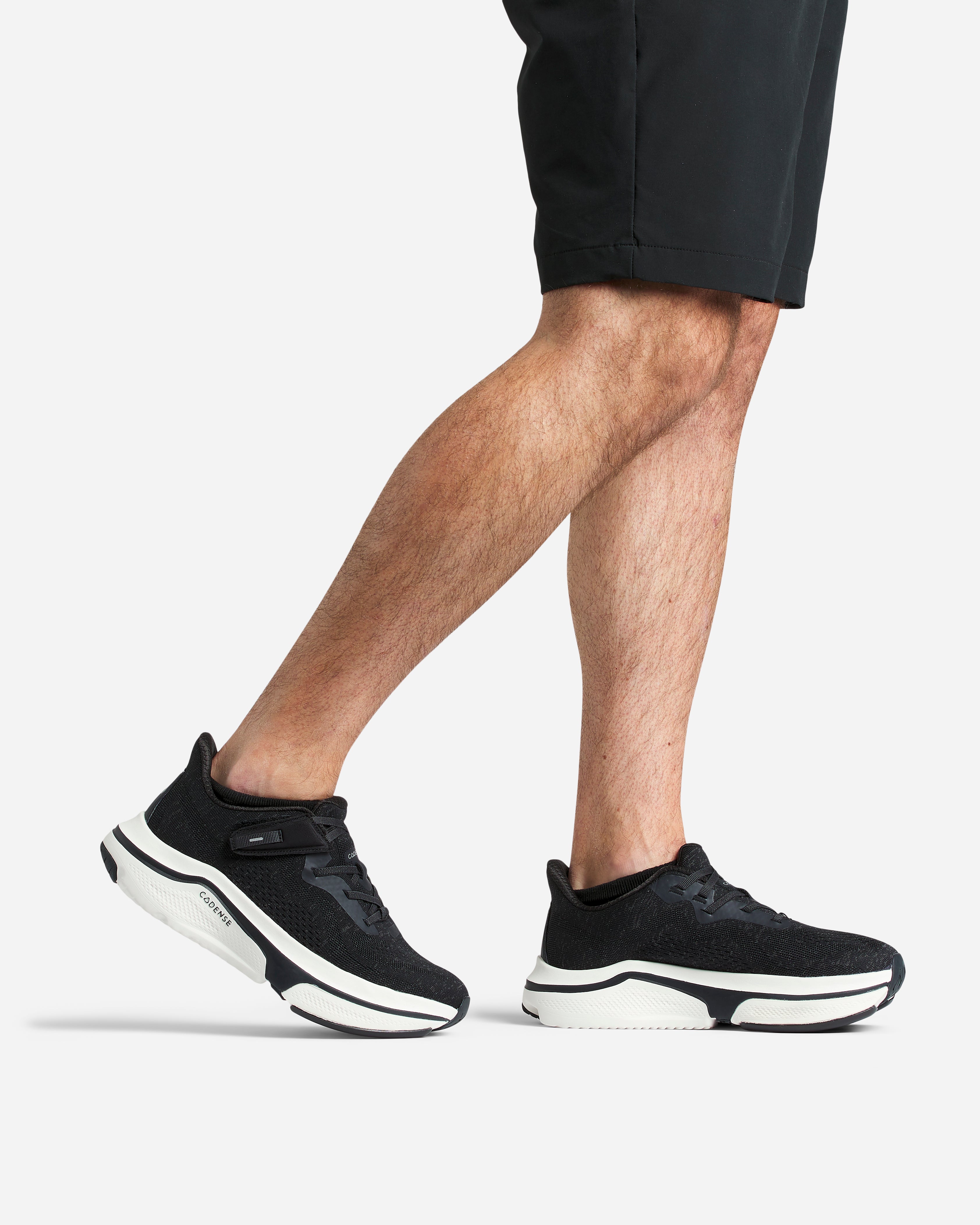
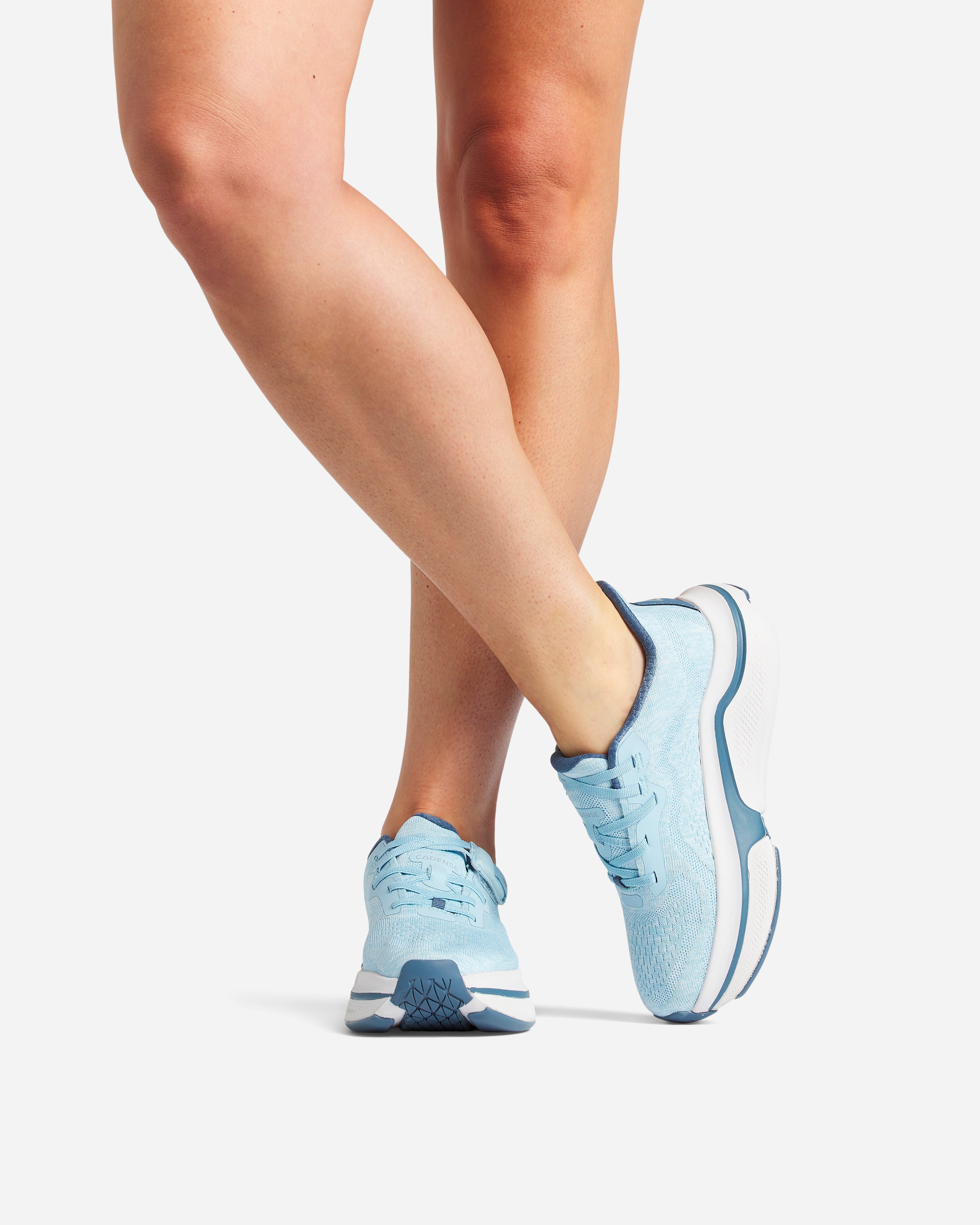
Adaptive trainers designed specifically for AFO use make this combination far easier to achieve than standard footwear. Always try trainers on with the brace fitted to ensure the two work together as they should, as a trainer that feels comfortable without the AFO may feel completely different once the brace is inside.
Complementary Physiotherapy
Whilst an AFO provides essential mechanical support, combining it with physiotherapy leads to significantly better long-term outcomes. Targeted exercises focused on ankle strength, lower limb stability, balance, and gait retraining help individuals use the brace more effectively and maintain mobility even when the AFO is not being worn. Over time, therapy can reduce reliance on compensatory movements, improve the efficiency of each step, and support overall walking confidence in a way that a brace alone cannot achieve.
Take the Next Step Towards Safer, More Natural Walking
An AFO for foot drop is a vital tool for restoring a more natural walking pattern. By keeping the foot in the correct position, providing ankle stability, and reducing the compensatory movements that cause fatigue and joint strain, it helps improve safety, comfort, and confidence in daily mobility. Pairing the right AFO with supportive footwear and consistent physiotherapy can make a meaningful and lasting difference for anyone living with foot drop.
Explore Cadense adaptive trainers at cadense.co.uk to find footwear designed to work alongside AFOs, helping you walk safely, comfortably, and with confidence every day.