Best Trainers for Seniors Who Want Better Balance and Safer Walking
TL;DR
-
Age-related changes in muscle strength, joint flexibility, and foot sensation make supportive footwear increasingly important for safe daily walking
-
The best trainers for seniors combine slip-resistant soles, arch support, cushioning, a wide toe box, and secure closures
-
Proper fit matters as much as design, always try trainers on later in the day and with your usual socks or orthotics
-
Well-designed trainers reduce fall risk, improve posture and alignment, and help seniors stay active and independent for longer
-
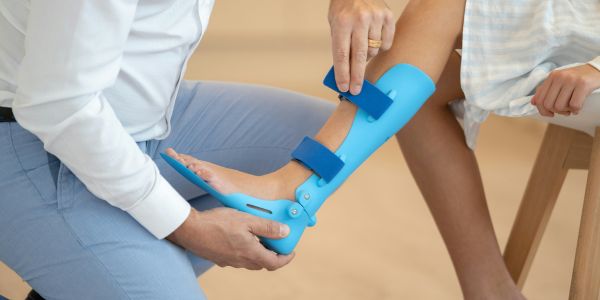
Those with specific mobility needs such as neuropathy, AFO braces, or severe foot conditions may benefit from specialist adaptive footwear
As people age, maintaining balance and stability becomes increasingly important. Simple daily activities like walking around the house, doing the weekly shop, or going for a stroll outside can become more challenging when balance changes or foot discomfort develops. The right footwear makes a significant difference to how safe and confident that movement feels.
The best trainers for seniors are designed to provide proper support, improve traction, and help reduce the risk of slips or falls. Understanding what to look for in senior-friendly footwear can help older adults stay active whilst protecting their long-term mobility.
Why Footwear Matters More With Age
As the body changes over time, several factors can affect walking and balance. Muscles may become weaker, joints can stiffen, and sensation in the feet may decrease. Conditions such as arthritis, neuropathy, or general foot pain can also make movement more difficult and unpredictable.
When footwear lacks support or stability, these challenges become worse. Loose trainers, slippery soles, or insufficient cushioning all increase the likelihood of tripping or losing balance. Properly designed trainers, on the other hand, help maintain alignment, support the foot through each step, and provide the traction needed to walk with confidence on a range of surfaces.
Key Features of the Best Trainers for Seniors
Not all trainers offer the same level of stability or comfort. When shopping for senior-friendly footwear, the following features make the most meaningful difference to safe daily walking.
1. Slip-Resistant Soles
Strong traction is one of the most important elements of a safe trainer. Slip-resistant outsoles help prevent sliding on smooth indoor surfaces such as tile or hardwood flooring, as well as on wet pavements outdoors. Look for durable rubber soles with textured tread patterns that grip the ground effectively and maintain that grip as the sole wears.
2. Proper Arch Support
Arch support helps distribute body weight evenly across the foot, preventing pressure from building up in specific areas that can lead to discomfort and instability. Good arch support also promotes better posture and overall alignment, which has a direct and positive effect on balance during walking.
3. Cushioning for Shock Absorption
Walking places repeated stress on the feet, ankles, and knees with every step. Trainers with proper cushioning absorb this impact, making movement more comfortable and reducing the fatigue that causes instability later in the day. Cushioned midsoles are particularly valuable for seniors who spend extended periods on their feet or who walk on hard surfaces regularly.
4. A Stable, Low Heel
Elevated heels shift the body's centre of gravity forward and increase the risk of losing balance. The best trainers for seniors have a low, stable heel or a flat design that keeps the foot close to the ground. This improves overall stability and allows for more controlled, predictable steps throughout the day.
5. Wide Toe Boxes
Many seniors live with foot conditions such as bunions, swelling, or hammertoes. Narrow toe areas place pressure on the front of the foot, causing pain that alters walking posture and reduces stability. A wider toe box gives the toes room to spread naturally, reducing irritation and improving comfort over longer periods of wear.
6. Secure Closures
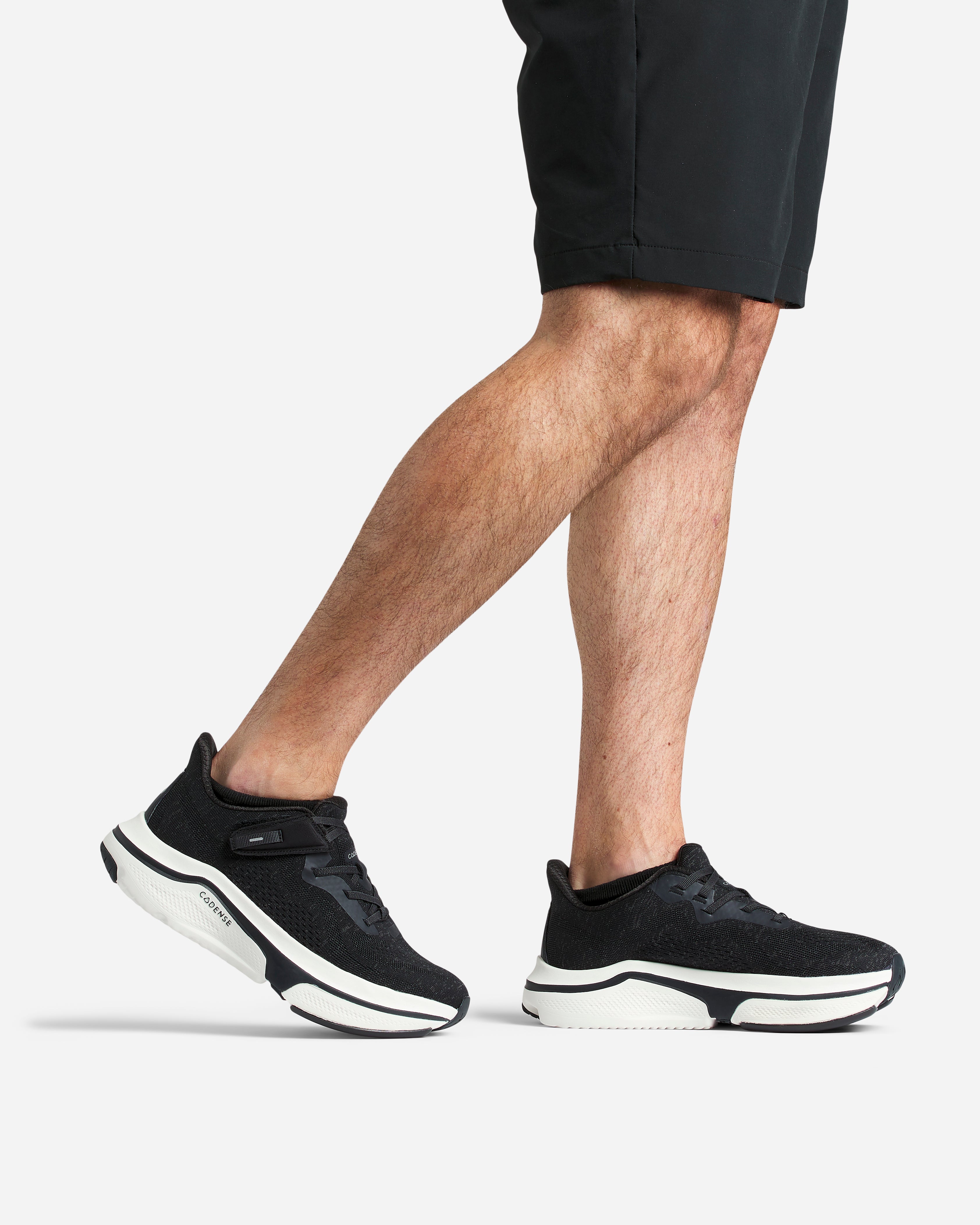
Trainers that fit securely are essential for safe walking. Loose footwear can slip at the heel or allow the foot to slide inside the trainer, both of which increase fall risk. Velcro straps, adjustable laces, or other secure fastening systems keep the foot stable and properly positioned throughout the day, even as feet swell slightly with activity.

How the Right Trainers Help Prevent Falls
Falls are one of the most common causes of serious injury among older adults, and footwear plays a more significant role in fall prevention than many people realise. Supportive trainers help maintain proper foot alignment and encourage a steady, predictable walking pattern. Traction on the soles prevents slipping, whilst cushioning absorbs shock and reduces the joint strain that accumulates with every step.
Together these features create a more stable foundation for movement. Seniors who wear well-designed footwear consistently report feeling more confident both indoors and outdoors, and that confidence itself reduces the kind of hesitancy and altered gait that can paradoxically increase fall risk over time.
Choosing Trainers That Fit Properly
Even the best-designed trainer will not perform well if it does not fit correctly. Proper fit is essential for comfort, stability, and safety, and it is worth taking the time to get it right rather than relying on a familiar size. When selecting trainers, look for:
-
Enough room in the toe area without excessive space that allows the foot to slide
-
A snug but comfortable fit around the heel with no slipping
-
No pressure points along the sides or top of the foot
-
Adequate depth to accommodate orthotics if needed
Trying trainers on later in the day is also advisable, as feet tend to swell slightly after walking or standing and a trainer that fits well at this point will remain comfortable throughout the day.
The Role of Trainers in Maintaining Independence
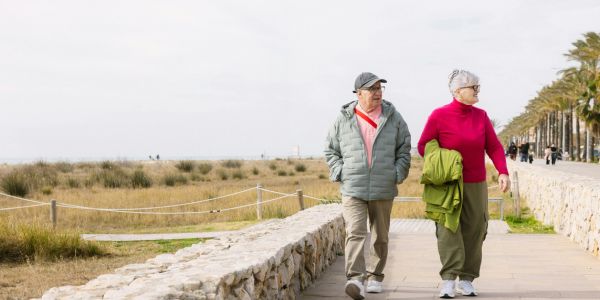
For many seniors, staying mobile means maintaining independence. The ability to walk safely allows older adults to continue participating in daily routines, social activities, and exercise, all of which contribute to both physical and mental wellbeing. Footwear that supports balance and comfort makes a meaningful difference to everyday life. When trainers reduce pain and improve stability, seniors are more likely to remain active and confident in their movement, rather than withdrawing from activities out of fear of falling.
When Seniors May Need Specialist Footwear
In some cases, standard trainers may not fully address a senior's mobility needs. Individuals who use orthotics or ankle-foot orthoses (AFOs) need trainers with extra depth and flexible openings to accommodate these devices without compromising comfort or stability. Others may require additional support due to conditions such as peripheral neuropathy, significant muscle weakness, or post-surgical recovery. Adaptive trainers designed with these needs in mind provide the targeted support necessary for safe and comfortable daily walking, and a podiatrist or physiotherapist can advise on the most appropriate option.
Start Walking With Greater Confidence Today
Choosing the best trainers for seniors is an important step towards improving balance and reducing fall risk. Supportive footwear with slip-resistant soles, proper cushioning, secure closures, and a stable design helps make daily walking safer, more comfortable, and more sustainable over the long term. For older adults who want to stay active and independent, the right trainers provide the foundation needed to move with greater ease and confidence.
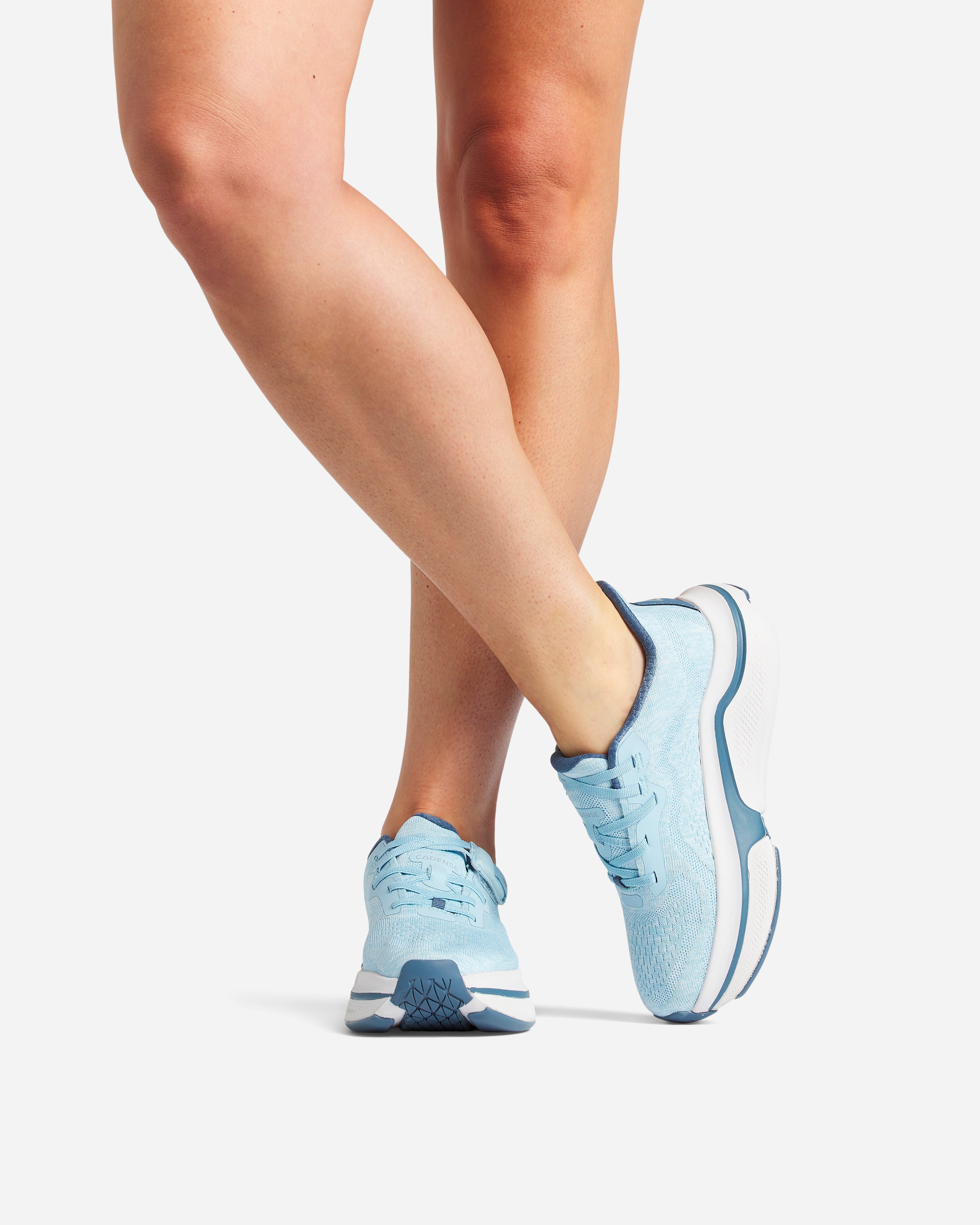
Explore Cadense adaptive trainers at cadense.co.uk to discover footwear designed to support balance, comfort, and safer walking for seniors every day.