
Signs You May Need a Foot Drop Brace for Better Mobility
TL;DR
-
Foot drop occurs when the muscles that lift the front of the foot weaken or stop functioning, causing toe dragging, tripping, and fatigue
-
Common signs you may need a brace include dragging toes, steppage gait, frequent stumbling, foot slap, and feeling unstable whilst walking
-
A foot drop brace, or ankle-foot orthosis, holds the foot in a lifted position to restore a more natural and safer walking pattern
-
Proper footwear is just as important as the brace itself, trainers with extra depth, wide openings, and stable soles maximise the benefit of the AFO
-
Early intervention with a physiotherapist, neurologist, or orthotist leads to significantly better long-term mobility outcomes
Walking is something most people do without thinking. But for individuals experiencing foot drop, every step can become difficult and even risky. Foot drop occurs when the muscles that lift the front part of the foot become weak or paralysed, causing the toes to drag along the ground during walking. This makes it harder to move safely and comfortably, and increases the risk of trips and falls in everyday situations.
One of the most effective tools for managing this condition is a foot drop brace. These braces support the foot and ankle, helping keep the toes lifted during each step. By improving foot positioning and stability, they can reduce the risk of tripping and make everyday movement significantly easier. Understanding the warning signs can help you take action before mobility becomes more limited.
What Is Foot Drop?
Foot drop is not a condition in itself but a symptom of an underlying neurological or muscular issue. It occurs when the muscles responsible for dorsiflexion, which is the lifting of the front of the foot, stop functioning properly. This can happen as a result of nerve injuries, neurological disorders, stroke, multiple sclerosis, muscular dystrophy, or complications following surgery or trauma.
Regardless of the cause, the practical effect is the same: the foot cannot be lifted fully during walking, which disrupts the natural heel-to-toe gait pattern. Without proper support, people with foot drop often develop compensatory walking habits that place additional strain on the hips, knees, and lower back, and that increase the risk of falls over time.
Common Signs You May Need a Foot Drop Brace
Recognising the symptoms early can help prevent mobility issues from worsening. The signs below are worth paying attention to, either in yourself or in someone you care for.
1. Your Toes Drag When You Walk
Dragging toes are one of the most recognisable signs of foot drop. Because the muscles cannot lift the foot properly, the front of the foot scrapes the ground during each step. This slows walking, creates a shuffling sound on hard floors, and significantly increases the chance of stumbling on uneven surfaces, rugs, or door thresholds. A brace holds the foot in a lifted position so it can clear the ground more reliably.
2. You Lift Your Knee Higher Than Normal
Many people with foot drop develop a walking pattern known as steppage gait, where the knee is lifted higher than usual to stop the toes from dragging. Whilst this adjustment may help in the short term, it requires extra energy with every step and can place significant strain on the hips and lower back over time. A foot drop brace restores a more natural walking motion and reduces the need for these compensatory movements.
3. You Trip or Stumble Frequently
Frequent tripping is often an early warning sign that foot control is compromised. If your toes catch on small obstacles, floor edges, or uneven surfaces that would not normally present a problem, it may indicate that the muscles responsible for lifting the foot are weakening. A brace keeps the toes elevated during the swing phase of walking, reducing the risk of unexpected trips and falls in daily life.
4. Walking Long Distances Feels Exhausting
When the body compensates for foot drop, other muscles work harder to maintain movement and balance. This leads to fatigue that builds over relatively short distances, leaving people with tired legs, hip discomfort, or a general heaviness that makes activities which once felt effortless feel draining. A foot drop brace helps redistribute the mechanical load of walking so that movement becomes more efficient and less physically demanding.
5. Your Foot Slaps the Ground
A noticeable slapping sound when the heel touches the ground is another common indicator of foot drop. Rather than lowering smoothly through the heel-to-toe transition, the foot drops quickly due to weakness in the muscles that control movement. This foot slap is often audible on hard surfaces and can indicate that muscle control is deteriorating. A brace provides the controlled support needed to guide the foot through each step more smoothly.
6. You Feel Less Stable Whilst Walking
Foot drop affects not just the foot but overall balance and body alignment. Without reliable foot positioning, the body struggles to maintain stability, particularly on uneven ground, when turning, or when navigating busier environments. Many people describe a growing sense of hesitancy or anxiety about walking outdoors. A brace improves foot alignment and makes each step feel more predictable, which directly reduces that sense of instability.
How a Foot Drop Brace Improves Mobility
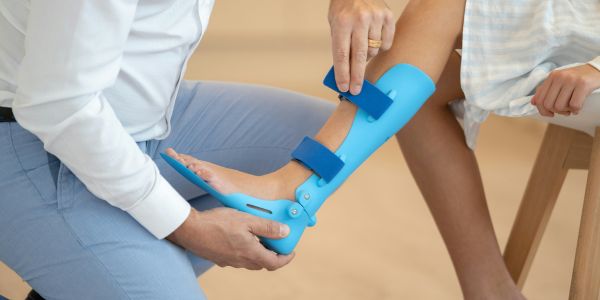
A foot drop brace, commonly known as an ankle-foot orthosis (AFO), is designed to support the ankle and hold the foot in a functional position during walking. It works by maintaining a slight upward angle at the foot, which prevents toe dragging, supports ankle stability, and encourages a more natural gait pattern.
The most common types include rigid AFOs, which offer maximum stability for severe weakness, and flexible or dynamic AFOs, which allow some ankle movement and suit milder cases or those in rehabilitation. Hinged AFOs sit between the two, permitting controlled motion whilst still providing meaningful support. The right type depends on the severity of the foot drop, the level of residual muscle function, and the individual's daily activity level, all of which a physiotherapist or orthotist can assess.
With the right brace, many people experience immediate improvements in walking efficiency, a reduction in compensatory movements, and a noticeable increase in confidence during daily activities.

The Importance of Proper Footwear Alongside a Brace
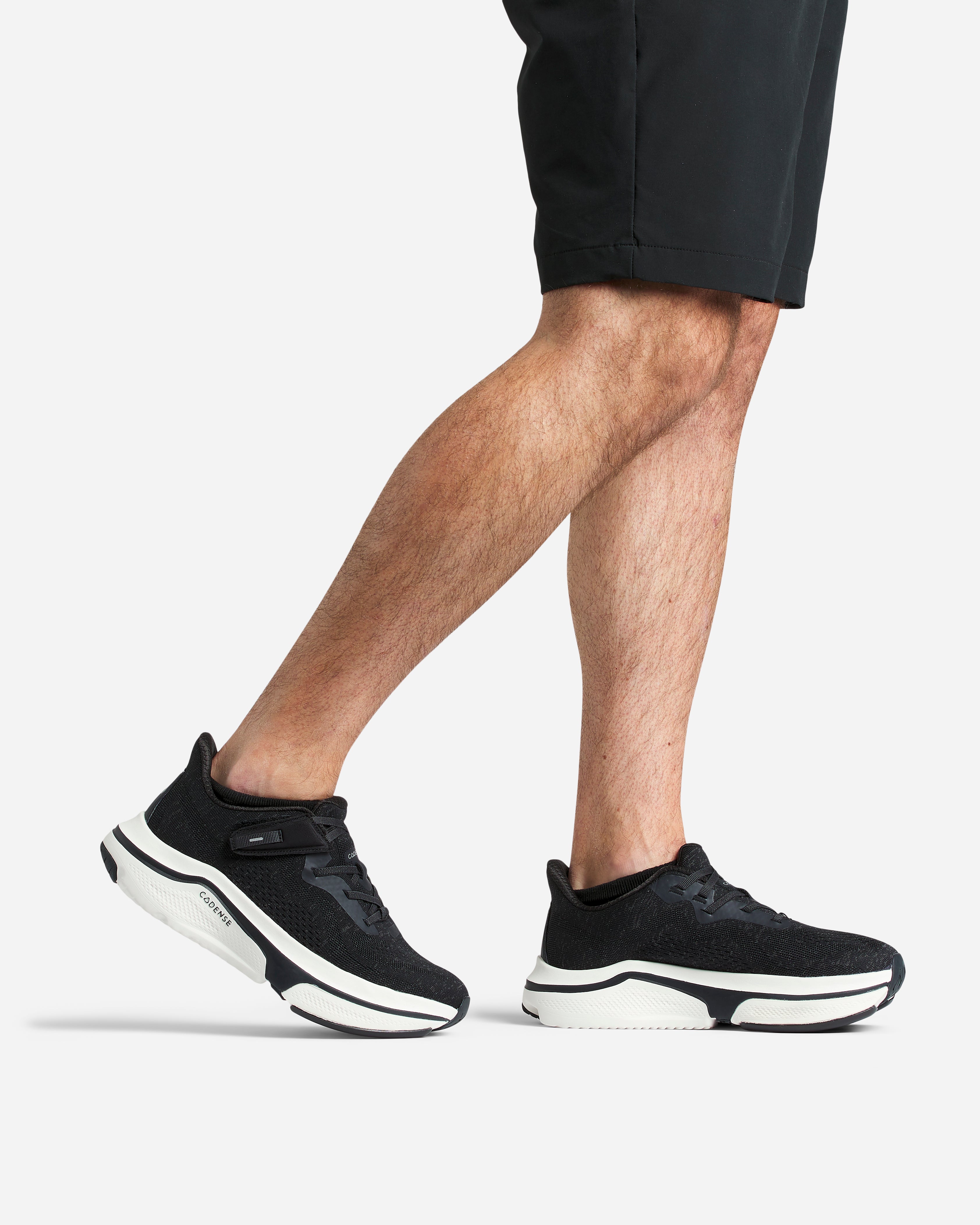
A brace provides essential support, but the trainers worn with it are equally important. Poorly fitting footwear can undermine the function of the brace entirely, whilst the right trainers amplify its benefits. Trainers designed for AFO use typically offer:
-
Extra depth to accommodate the brace without compressing the foot
-
Wide openings for easier entry when ankle mobility is limited
-
Stable, slip-resistant soles that work with the brace to improve traction
-
Secure adjustable closures that hold both the foot and the device firmly in place
Combining a well-fitted foot drop brace with appropriately designed adaptive trainers creates a foundation for safer, more comfortable movement throughout the day. Always try trainers on with the brace fitted to ensure the combination works as it should.
When to Seek Professional Guidance
If you notice any of the signs described above, speaking with a healthcare professional is an important first step. A physiotherapist, neurologist, or orthotist can evaluate the underlying cause of the foot drop and recommend the most appropriate treatment plan. In many cases this will involve a combination of targeted strengthening exercises, nerve or muscle rehabilitation, an AFO brace suited to your specific presentation, and supportive footwear.
Early intervention makes a significant difference. Addressing foot drop before compensatory habits become deeply ingrained is far easier than retraining gait patterns that have developed over months or years. It also reduces the cumulative strain on the joints and helps maintain independence for longer.
Living Confidently With Foot Drop
Foot drop can make walking more challenging, but the right combination of support and footwear makes a meaningful difference to daily life. Many people continue to live active, independent lives by combining physiotherapy, bracing, and properly fitted adaptive trainers. When each element is working well together, walking feels safer, less effortful, and far less stressful.
Take Action Before Mobility Becomes More Limited
Recognising the signs of foot drop early is key to maintaining mobility and preventing injuries. Symptoms like dragging toes, frequent tripping, foot slapping, steppage gait, or excessive fatigue during walking all indicate that extra support may be needed. A foot drop brace can lift the foot, improve walking patterns, and significantly reduce the risk of falls.
Explore Cadense adaptive trainers at cadense.co.uk to find footwear designed to work alongside braces and support safer, more stable walking every day.