Why Proper Footwear Is Crucial for Seniors to Walk Safely Every Day
TL;DR
-
Age-related changes in strength, balance, and foot structure make proper footwear one of the most effective tools for fall prevention
-
Poorly fitted or worn trainers increase fall risk through reduced traction, pressure points, muscle fatigue, and postural imbalance
-
The best trainers for seniors combine cushioned insoles, wide toe boxes, arch support, and slip-resistant soles
-
Proper fit matters as much as design, always try trainers on with your usual socks or orthotics and test on different surfaces
-
The psychological benefit of feeling secure whilst walking is just as important as the physical support trainers provide
As we age, even everyday walking can become a challenge. Changes in muscle strength, joint flexibility, balance, and foot structure can make seniors more prone to slips, trips, and falls. Falls are one of the leading causes of injury among older adults, often resulting in fractures, hospitalisation, and decreased independence. Choosing the right footwear is one of the most effective ways seniors can protect themselves whilst staying active and mobile.
Proper trainers provide more than just comfort. They offer stability, support, and traction, helping seniors maintain a confident stride. By selecting footwear specifically designed to reduce fall risk, seniors can improve balance, protect their joints, and regain confidence in their daily movements.
How Footwear Impacts Walking Safety
Wearing the wrong trainers can increase the likelihood of trips, slips, and fatigue in ways that are easy to overlook until an accident occurs. Foot pain and pressure points caused by trainers that pinch or compress the foot force compensatory movements that reduce stability over time. Smooth or worn soles increase the risk of slipping on a range of surfaces, whilst a lack of cushioning and support forces muscles and joints to work harder with every step, accelerating fatigue and instability.
Poor arch support or heel design also affects overall body alignment, making walking less steady and placing additional strain on the knees, hips, and lower back. Investing in the right trainers for seniors addresses all of these issues and creates a far safer foundation for daily movement.
Key Features of Safe Trainers for Seniors
Not all comfortable-looking trainers are genuinely safe for seniors. When choosing footwear to reduce fall risk, it is worth looking beyond the brand and evaluating the specific structural features that make a real difference to stability and comfort. The most important features to look for are:
-
Cushioned insoles that absorb shock and protect joints from repetitive impact
-
Arch support that maintains proper foot alignment and reduces strain on the ankles, knees, and hips
-
A wide toe box that allows toes to move naturally and prevents pinching or discomfort
-
Slip-resistant soles that provide traction on both indoor and outdoor surfaces
-
Adjustable closures such as laces, straps, or Velcro for a secure, customisable fit
-
Lightweight and flexible materials that reduce fatigue and allow for a more natural gait
Trainers that combine these features improve balance, reduce discomfort, and help seniors maintain safe mobility throughout the day, whether at home or outdoors.

Types of Trainers That Help Prevent Falls
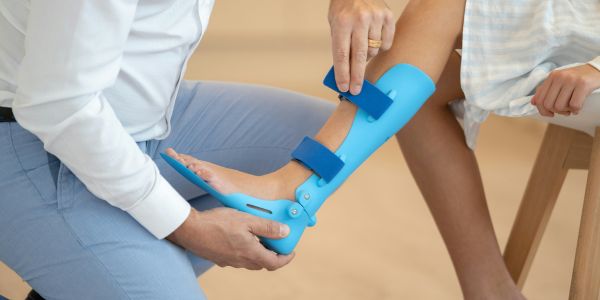
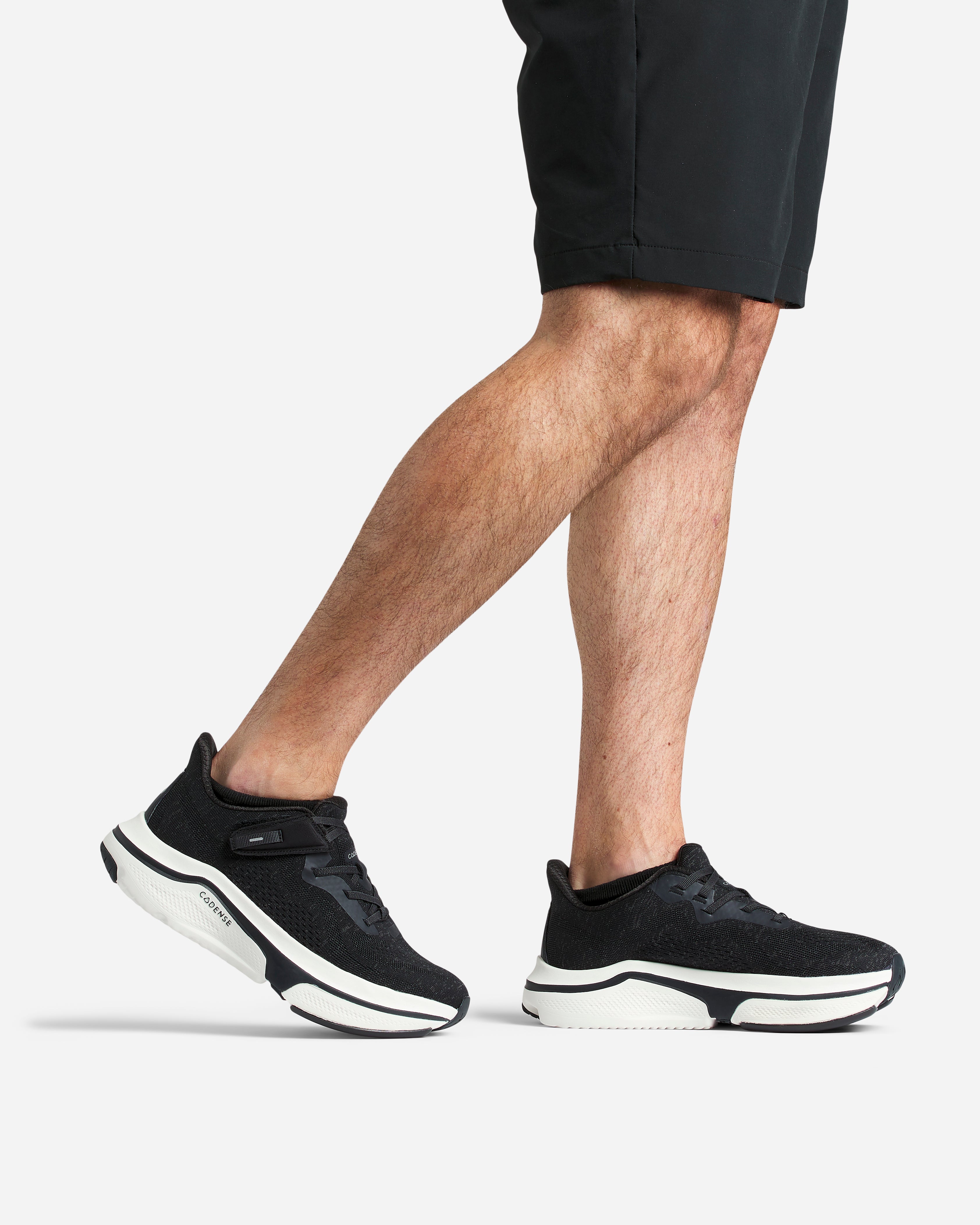
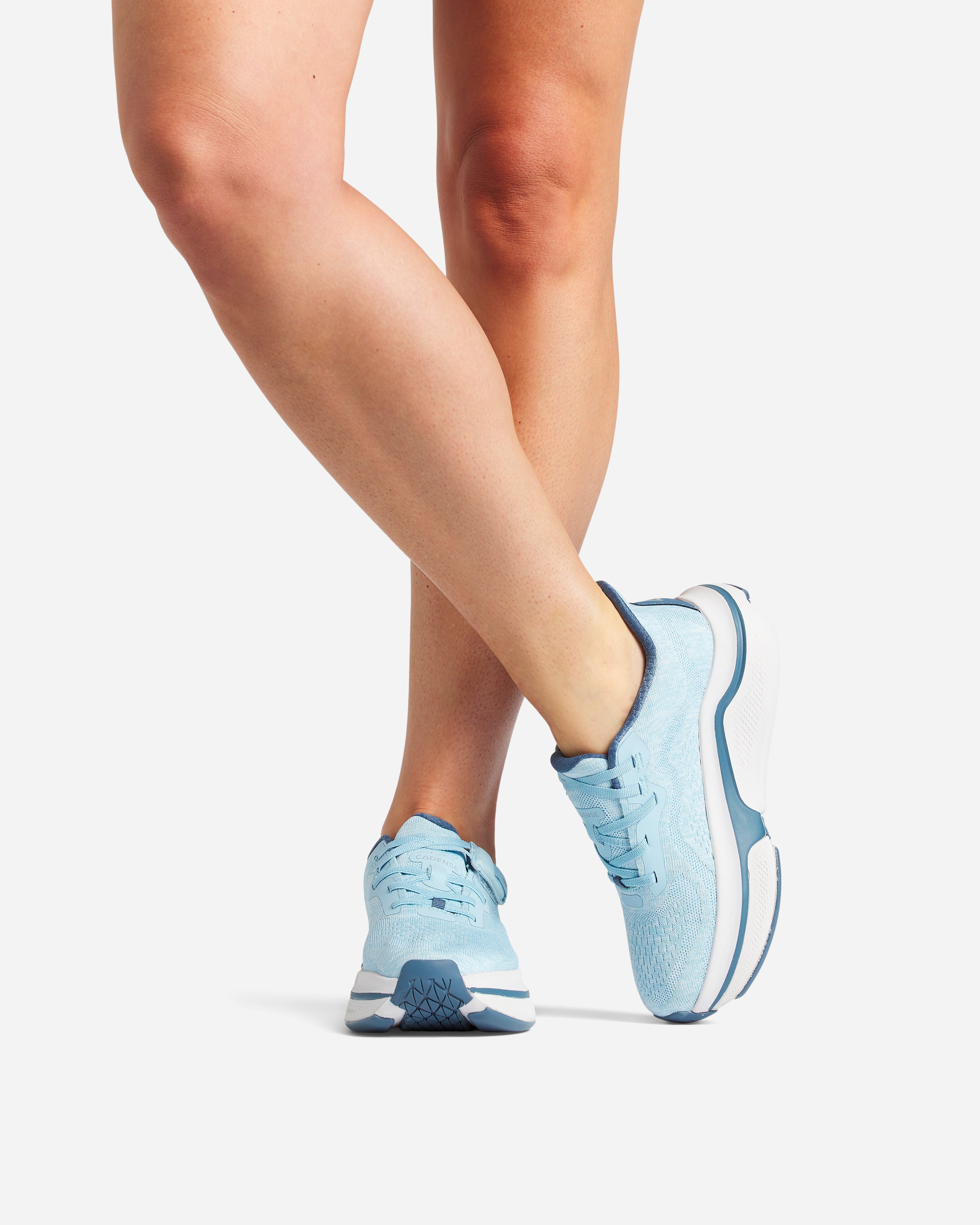
Several types of trainers are particularly effective in supporting seniors, and the right choice depends on individual needs, daily activities, and foot health. Walking trainers offer cushioning, stability, and support for everyday use and suit most seniors well as a starting point. Orthopaedic trainers go a step further, accommodating foot conditions and providing extra depth for orthotics or custom inserts. For those with limited dexterity, slip-on or easy-fasten trainers reduce the effort of putting footwear on whilst still offering a secure fit. Adaptive trainers are designed to work alongside braces or AFOs, improving safety and supporting proper gait for those managing more complex mobility needs.
Combining proper fit, adequate support, and reliable traction across any of these categories ensures the best possible safety outcome for daily walking.
How Proper Fit Improves Safety
Even the best-designed trainer will not deliver its full benefit if it does not fit correctly. Proper fit enhances stability, reduces fatigue, and prevents the compensatory movements that develop when footwear does not hold the foot securely. There are a few practical steps worth following when assessing fit:
-
Always try trainers on with the socks or orthotics you wear daily, as this significantly affects how the trainer actually fits
-
Ensure there is enough room in the toe box for natural movement without rubbing
-
Walk around indoors on both carpet and hard flooring to gauge comfort and stability before buying
-
Shop later in the day when feet are at their most swollen to avoid buying a pair that becomes too tight by the afternoon
Avoid both tight and loose extremes. Trainers that pinch cause discomfort and alter posture, whilst trainers that slide reduce ground contact and make each step less predictable. Getting the fit right is one of the simplest and most impactful things a senior can do to improve walking safety.
Additional Tips for Daily Safety
Good trainers work best as part of a broader approach to daily safety. Soles and cushioning degrade over time, often before there is any visible sign of wear, so replacing trainers regularly maintains the support and traction they were designed to provide. Checking regularly for blisters, pressure points, or areas of discomfort helps catch fit issues before they become painful problems.
Custom or over-the-counter orthotic insoles can enhance alignment and redistribute pressure in ways that complement the trainer, whilst strengthening and balance exercises improve overall stability and reduce fall risk beyond what footwear alone can achieve. A podiatrist or physiotherapist can provide tailored guidance that takes into account individual foot health, gait patterns, and mobility goals.
The Psychological Benefits of Proper Footwear
Proper footwear not only improves physical safety but also enhances confidence in a way that has real long-term consequences. Seniors who feel secure whilst walking are more likely to engage in daily activities, socialise, and remain physically active. Safe, comfortable trainers reduce the fear of falling, which is itself a documented risk factor for falls, as it leads to inactivity, muscle deconditioning, and a gradual withdrawal from the kinds of movement that keep the body strong.
Investing in supportive trainers is therefore an investment in long-term mobility and independence, not just immediate comfort. When walking feels manageable and safe, seniors are more likely to keep moving, and keeping moving is one of the most powerful things anyone can do to stay well.
Give Your Feet the Foundation They Deserve
The best trainers for seniors to prevent falls combine cushioning, stability, slip-resistant soles, and proper fit. They reduce foot pain, improve balance, and allow seniors to walk safely and confidently every day. Choosing the right pair protects joints, prevents accidents, and supports the independence that makes daily life enjoyable.
Explore Cadense adaptive trainers at cadense.co.uk to find footwear designed to keep seniors comfortable, stable, and safe whilst walking, providing the support and traction needed for everyday activities and helping seniors move with genuine confidence.