
Why Proper AFO Trainers Are Essential for Balance and Confidence
TL;DR
-
Standard trainers often fail to accommodate AFO braces, causing compression, instability, and increased fall risk
-
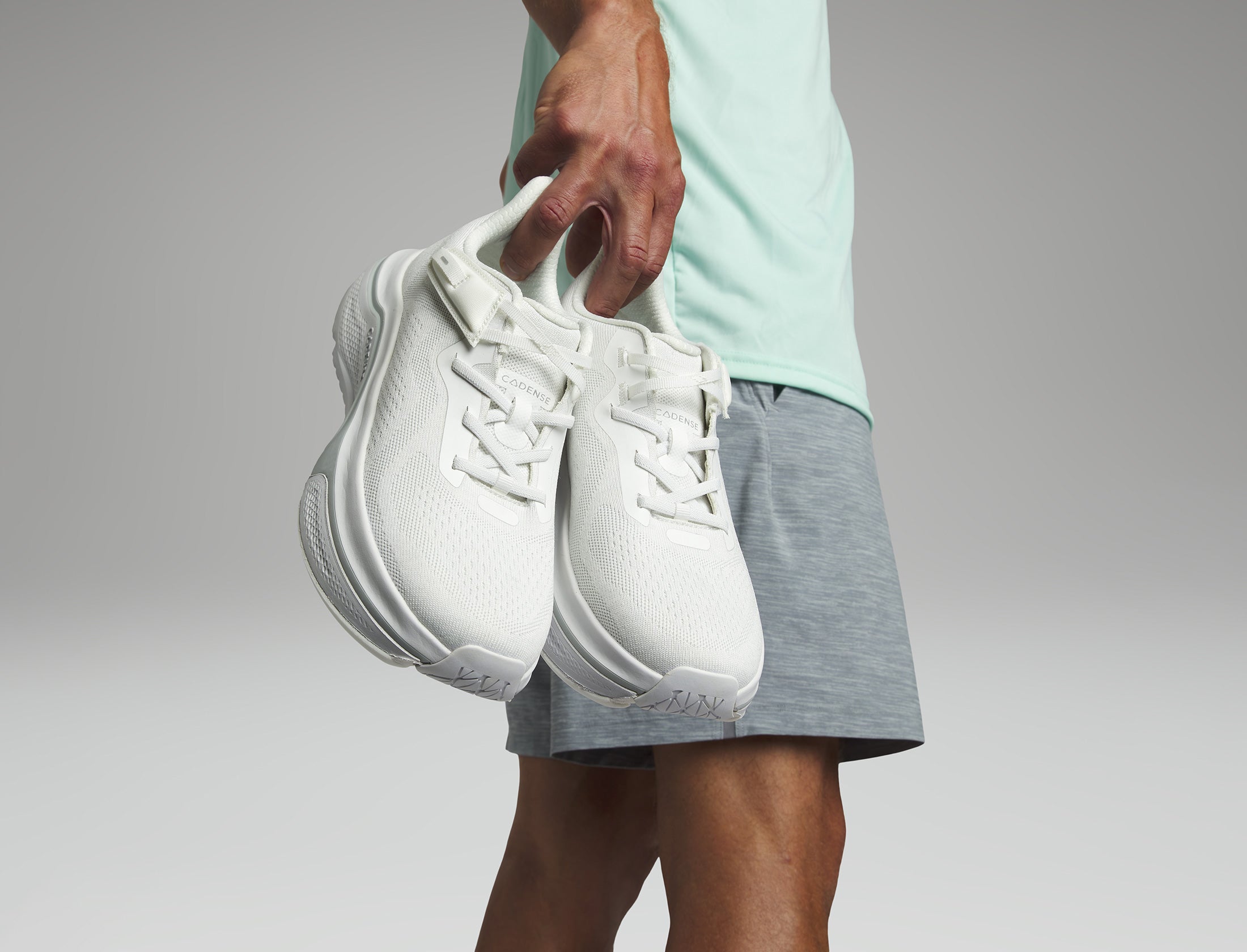
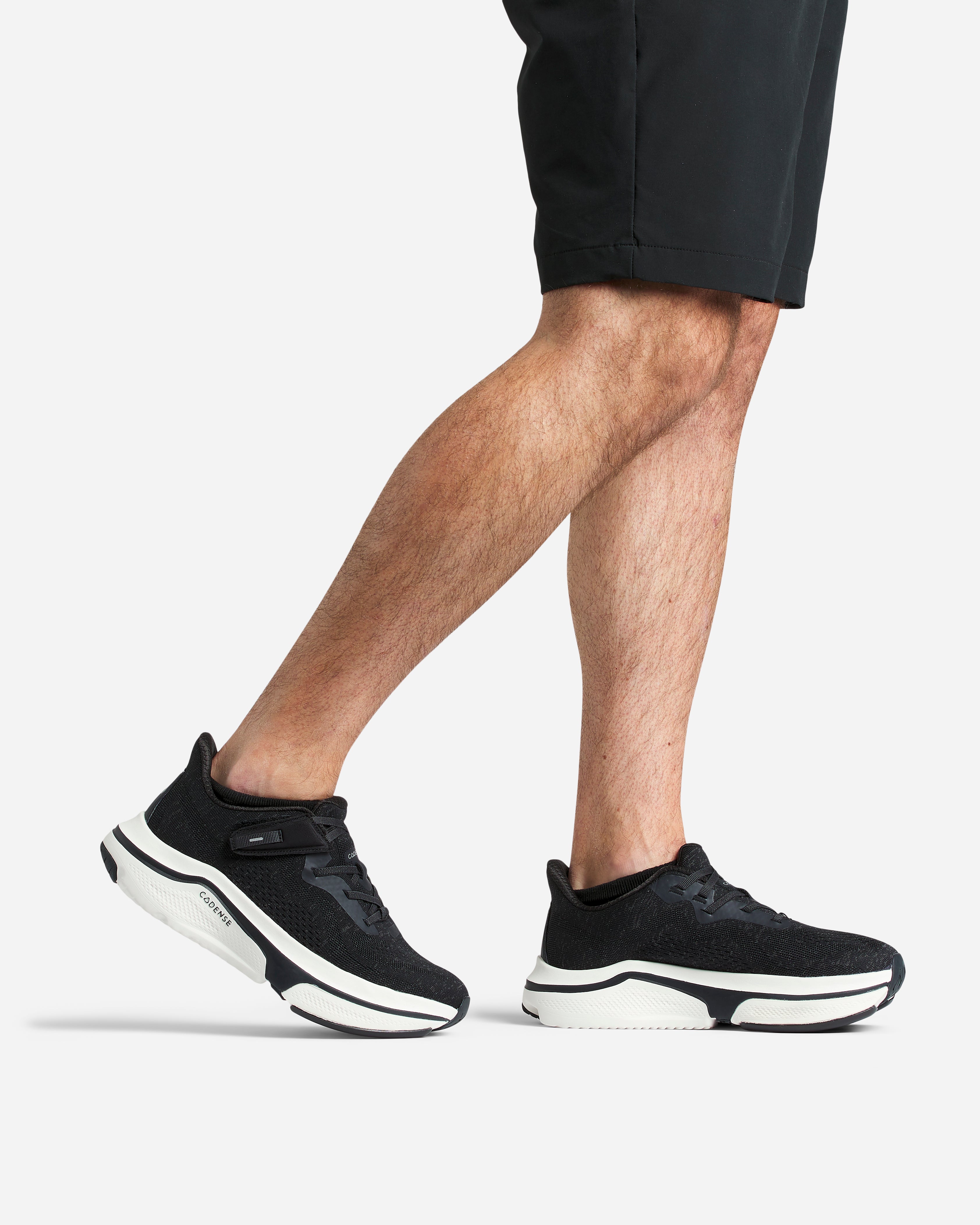
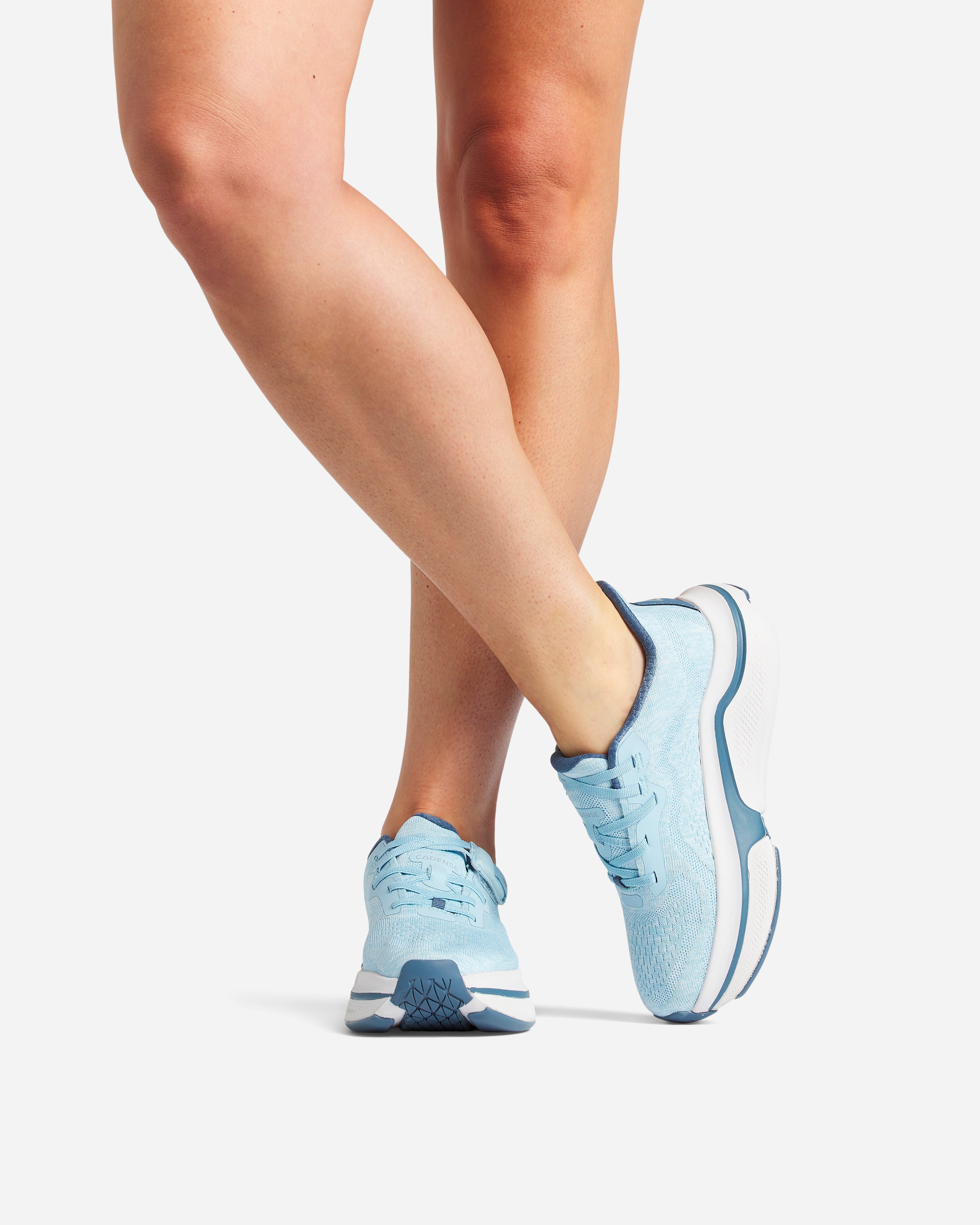
Proper AFO trainers offer extra depth, wide toe boxes, adjustable closures, and slip-resistant soles that work with the brace rather than against it
-
The right fit improves balance by distributing weight evenly, supporting alignment, and reducing fatigue from altered gait patterns
-
Wearing well-fitted AFO trainers reduces anxiety about falling and supports greater independence in daily activities
-
Combining proper AFO trainers with physiotherapy, orthotics, and regular foot checks creates the most comprehensive approach to safe daily mobility
Walking safely can be a challenge for anyone using an ankle-foot orthosis (AFO). Foot drop, muscle weakness, or nerve conditions can make lifting the front of the foot difficult, leading to trips, fatigue, and strain on the ankles, knees, and hips. Whilst regular trainers may seem sufficient, they often fail to provide the support, fit, and stability needed to walk safely with an AFO.
Proper AFO trainers are specifically designed to meet these needs, improving balance, comfort, and confidence in daily mobility. For individuals using braces, the right footwear can transform walking from a tiring, stressful activity into a safer, more natural experience. Investing in proper AFO trainers helps prevent falls, reduces discomfort, and supports overall independence.
What Makes AFO Trainers Different From Regular Trainers
AFO trainers are designed to work with braces rather than against them. The differences are structural and go well beyond simple comfort. Most standard trainers simply do not have the internal depth or width to accommodate a brace without compressing the foot, which can cause pressure points, skin irritation, and a reduction in how effectively the AFO functions.
The key features that set AFO trainers apart include:
-
Extra depth and wide toe box to house the brace without compressing the foot or ankle
-
Adjustable closures such as laces or hook-and-loop straps that secure both the foot and AFO in place
-
Reinforced heel counters that prevent lateral movement when the brace shifts inside the trainer
-
Slip-resistant outsoles for reliable traction on indoor floors, wet pavements, and uneven terrain
Supportive insoles and cushioned, lightweight soles complete the picture, absorbing impact at heel strike and reducing the cumulative strain that altered gait patterns place on the knees, hips, and lower back over time.
Why Proper Fit Matters for AFO Trainers
Even the best-designed AFO trainers will not deliver their full benefit if they do not fit correctly. An ill-fitting trainer can undermine the function of the brace itself, creating instability that would not have existed otherwise. The trainer must accommodate the AFO without pinching, shifting, or pushing the foot out of its correct position inside the brace.
When assessing fit, a few practical steps make a significant difference:
-
Always try trainers on with the AFO fitted, as the fit without the brace tells you very little about how it will feel in daily use
-
Test on both carpet and hard flooring indoors before committing to outdoor use
-
Shop in the afternoon or evening when feet are at their most swollen
Avoid both loose and tight extremes. A trainer that is too loose allows the foot and brace to shift unpredictably, whilst one that is too tight can restrict circulation and cause skin irritation around the ankle and shin. Getting this right makes walking noticeably more natural and less effortful throughout the day.
How AFO Trainers Support Balance
Balance is a central concern for anyone using an AFO. The condition that necessitates the brace has already disrupted the normal feedback loop between the foot, the ground, and the nervous system. The right trainer works alongside the AFO to restore as much of that stability as possible, rather than introducing new variables that the body has to compensate for.
A well-structured sole spreads load across the foot more evenly, reducing the pressure points that cause instability mid-step. Firm arch support and heel counters maintain alignment through the feet, ankles, knees, and hips, which reduces the compensatory movements that develop when the body tries to stabilise itself around an unreliable base. Cushioned soles also decrease muscle strain, which matters enormously over the course of a full day.
With improved balance, people using AFOs can walk more confidently both indoors and outdoors. The constant mental effort of monitoring every step begins to ease, and walking starts to feel like something that just happens rather than something that has to be carefully managed.

How AFO Trainers Enhance Confidence and Independence
Confidence in walking is often significantly reduced for individuals with foot drop or other conditions requiring an AFO. The fear of falling is not just a psychological concern. It is a documented risk factor that leads to reduced activity, muscle deconditioning, social withdrawal, and a further decline in mobility over time. Proper AFO trainers help address this cycle in a practical and direct way.
A secure fit and dependable traction minimise the risk of accidents, which in turn reduces the hypervigilance that makes every walk feel exhausting. The practical benefits include:
-
Greater ease performing daily tasks independently, from shopping to visiting family
-
A more stable foundation for practising gait exercises, reinforcing physiotherapy progress between sessions
-
Reduced fatigue that makes regular activity feel more achievable
When walking feels predictable and secure, people regain a genuine sense of freedom in their daily lives. That shift in confidence is one of the most meaningful outcomes proper footwear can deliver.
How to Choose the Right AFO Trainers
Selecting AFO trainers requires more thought than standard trainer shopping. Depth and toe box width should be the first things to check, as the trainer must accommodate the brace comfortably without compression at any point around the foot or ankle. Supportive, cushioned soles protect joints from repetitive impact, whilst closures should allow a snug fit around the brace without creating uncomfortable pressure points.
Lightweight and flexible materials promote natural foot motion and minimise the additional weight that increases fatigue on longer walks. Trying multiple pairs with the AFO fitted, ideally with guidance from a podiatrist or physiotherapist, is the most reliable way to find the right combination of depth, support, and fit for your specific brace and foot shape.
Additional Tips for Daily Safety and Foot Health
Cushioning and traction degrade gradually, often before there is any visible damage to the upper, so replacing trainers regularly is important for maintaining consistent support. It is also worth checking for blisters, pressure marks, or areas of redness around the ankle and shin after each wear, as these can indicate fit issues that need addressing before they worsen.
Custom or over-the-counter orthotics can improve alignment and pressure distribution in a way that complements both the AFO and the trainer. Combining this with physiotherapy exercises that target the ankle, lower leg, and hip musculature supports the work the brace and trainer are doing and contributes to longer-term gait improvement.
Find Your AFO Trainers and Walk With Confidence Today
Proper AFO trainers are essential for balance, safety, and confidence in daily walking. Unlike regular trainers, they accommodate braces, provide reliable traction, reduce fatigue, and support correct alignment. Choosing the right pair can significantly improve mobility, prevent falls, and allow individuals to walk comfortably and independently every day.
Explore Cadense AFO trainers at cadense.co.uk to find footwear designed specifically for balance, support, and safer walking, working with your brace to keep feet comfortable, joints protected, and movement confident.