Foot Drop Trainers vs Regular Trainers: What Makes Them Different
TL;DR
-
Foot drop causes toe dragging, altered gait, and fatigue that standard trainers are not designed to address
-
Foot drop trainers offer extra depth, wide toe boxes, adjustable closures, and slip-resistant soles that regular trainers typically lack
-
Regular trainers can worsen instability by compressing braces, limiting alignment, and reducing traction
-
The right foot drop trainers work alongside AFOs, orthotics, and physiotherapy to improve safety and reduce fall risk
-
Always try trainers on with your brace or orthotic in place, and seek guidance from a podiatrist or physiotherapist when selecting a pair
Living with foot drop can make walking a daily challenge. Difficulty lifting the front of the foot can cause trips, fatigue, and strain on the ankles, knees, and hips. Whilst regular trainers are designed for average foot support, they often do not provide the features needed to accommodate foot drop or braces like AFOs. Foot drop trainers are specifically designed to address these challenges, helping individuals maintain safer, more stable, and more comfortable walking.
Understanding the differences between foot drop trainers and regular trainers can help you choose the right footwear to protect your balance, reduce fatigue, and support long-term mobility.
What Is Foot Drop and How Does It Affect Walking?
Foot drop is a condition where lifting the front of the foot is difficult due to muscle weakness or nerve damage. It can result from stroke, nerve injury, multiple sclerosis, peripheral neuropathy, or other neurological and muscular conditions. It is not a diagnosis in itself but a symptom of an underlying issue affecting the peroneal nerve or the muscles it controls.
Foot drop affects walking in several important ways:
-
Toe dragging: the front of the foot may drag on the ground during the swing phase of walking, significantly increasing trip risk on pavements, carpets, and door thresholds
-
Altered gait: people often develop a steppage gait, lifting the knee higher than normal, or a circumduction gait, swinging the leg outward, to compensate for the inability to lift the foot
-
Reduced stability: balance can be compromised because the foot does not make controlled, predictable contact with the ground, leading to a higher risk of falls
-
Fatigue: the extra muscular effort required to walk safely with foot drop tires the legs, hips, and lower back far more quickly than normal walking would
-
Loss of confidence: over time, the unpredictability of each step can cause anxiety about walking in new environments or on unfamiliar surfaces, which further reduces activity levels and independence
Footwear plays a critical role in managing these effects. The right trainers do not cure foot drop, but they create the conditions for safer, less effortful, and more controlled movement every day.
How Foot Drop Trainers Are Different From Regular Trainers
Foot drop trainers are designed to work with the condition rather than simply cover the foot. The differences are structural and functional, not just cosmetic. Here is how they stand apart from standard footwear:
-
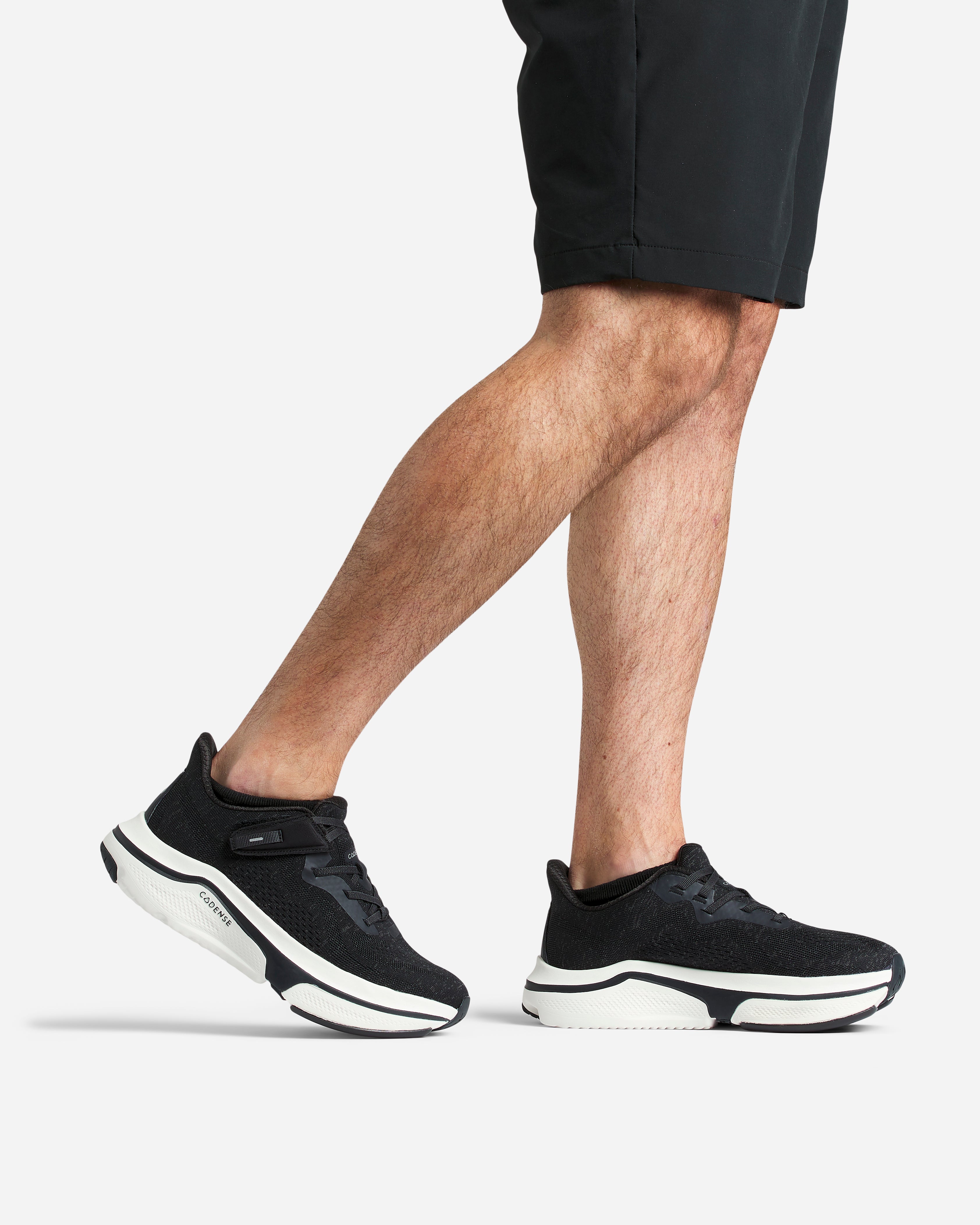
Extra depth and wide toe box: provides the internal space needed to accommodate an AFO brace or custom orthotic without compressing the foot or creating painful pressure points around the ankle
-
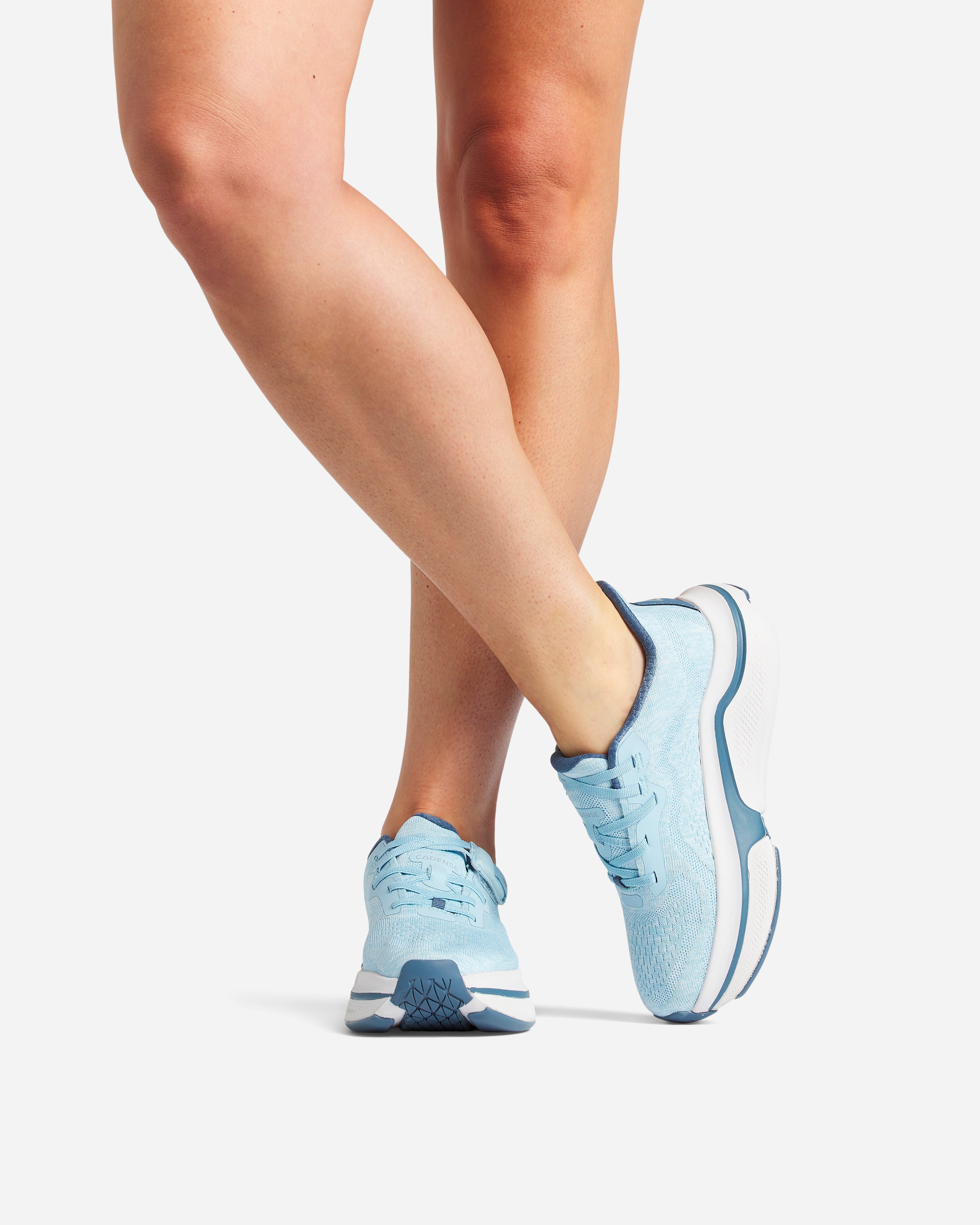
Adjustable closures: laces, hook-and-loop straps, or Velcro fasteners allow the fit to be tailored around the brace, ensuring both the foot and the device stay secure throughout the day
-
Supportive insoles and arch support: maintain proper foot alignment and reduce the cumulative strain on the ankles, knees, hips, and lower back that altered gait patterns can cause over time
-
Cushioned and lightweight soles: absorb impact at heel strike, reduce the energy cost of each step, and allow a more natural rolling motion from heel to toe despite limited dorsiflexion
-
Slip-resistant outsoles: provide reliable traction on a range of surfaces, including smooth indoor floors, wet pavements, and uneven outdoor terrain, all of which present heightened risk for someone with foot drop
-
Reinforced heel counters: the firm structure at the back of the trainer keeps the heel in place and prevents the lateral rolling that can occur when an AFO shifts inside a poorly fitting trainer
These features work together to enhance balance, improve gait efficiency, and reduce the discomfort and fatigue that foot drop causes during everyday movement.
Why Regular Trainers Fall Short for Foot Drop
Standard trainers are engineered for an average foot moving through a normal gait cycle. They are not built to accommodate the structural changes, assistive devices, or altered walking patterns associated with foot drop. Wearing them can create a range of problems that make the condition harder to manage rather than easier.
Common limitations of regular trainers for people with foot drop include:
-
Insufficient depth: most standard trainers do not have enough internal height to fit an AFO comfortably, which forces the brace to compress the foot and can cause skin irritation, pressure sores, and pain
-
Limited support: many regular trainers lack meaningful arch support, which contributes to instability and increases the strain placed on joints that are already working harder than normal
-
No adjustable fit: fixed sizing and standard lacing systems cannot adapt around the bulk of a brace, leading to poor positioning of both the foot and the device
-
Reduced traction: smooth or minimally patterned soles offer little grip, which is particularly dangerous for someone whose foot does not clear the ground reliably during walking
-
Increased fatigue: without cushioning designed to absorb the impact of an altered gait, every step places more stress on the joints, and fatigue sets in faster
Relying on regular trainers when managing foot drop is not just a comfort issue. It is a genuine safety concern that can increase fall risk, worsen compensatory movement habits, and reduce the effectiveness of any AFO or orthotic being used.

Benefits of Foot Drop Trainers in Daily Life
Choosing the right foot drop trainers has practical benefits that extend well beyond the trainer itself. Here is what a well-fitted, appropriately designed pair can do for daily life:
-
Improved safety: slip-resistant soles and a secure, stable fit significantly reduce the risk of trips, slips, and falls both indoors and outdoors
-
Enhanced gait mechanics: supporting correct foot positioning reduces the need for compensatory movements like high-stepping or leg swinging, which in turn reduces strain on the hips and lower back
-
Reduced pain and fatigue: cushioned soles absorb impact at heel strike and reduce joint strain, allowing people to walk further and for longer before fatigue sets in
-
Better brace performance: a trainer that fits correctly around an AFO allows the brace to function as it was intended, rather than shifting or compressing in ways that reduce its effectiveness
-
Greater confidence and independence: when each step feels more predictable and secure, people are more willing to engage in daily activities, leave the house, and maintain the social and physical routines that support long-term wellbeing
How to Choose the Right Foot Drop Trainers
Selecting foot drop trainers requires a more considered approach than standard trainer shopping. Here is what to focus on:
-
Fit with brace in place: always try trainers on with your AFO or orthotic fitted, as a trainer that feels fine without the brace may feel completely different with it inside
-
Toe box width and depth: ensure there is enough room to avoid pinching at the front and sides of the foot, and enough internal height for the brace to sit without causing pressure
-
Arch support and cushioning: look for trainers with firm arch support and shock-absorbing soles that will hold up over extended daily wear
-
Adjustable fit: straps or laces should allow the trainer to be tightened securely around the brace without creating pressure points on the ankle or top of the foot
-
Traction and stability: check that outsoles provide reliable grip on both smooth indoor surfaces and outdoor terrain
-
Material and weight: lightweight, breathable materials reduce fatigue and help prevent the skin irritation that can occur when wearing a brace for long periods
Seeking guidance from a podiatrist or physiotherapist before purchasing is worthwhile, particularly if the foot drop is severe or if you are transitioning between AFO types.
Additional Tips for Safer Walking With Foot Drop
-
Replace trainers regularly: worn soles lose traction and cushioning gradually, often before they look visibly damaged, so replacing them on a consistent schedule maintains the full safety benefit
-
Combine with physiotherapy: strengthening exercises for the ankle, lower leg, and hip complement proper footwear by addressing the underlying muscular weaknesses that contribute to altered gait
-
Monitor fit over time: foot shape can change with age, weight fluctuation, or changes in the condition, so reassessing trainer fit periodically ensures ongoing comfort and support
-
Consider custom orthotics: a podiatrist can prescribe insoles that improve alignment and pressure distribution in a way that works alongside the AFO and the trainer together
Take the Next Step Towards Safer, More Confident Walking
Foot drop trainers are more than just specialised footwear. They are essential tools for safe, comfortable, and confident daily movement. Unlike regular trainers, they accommodate braces, improve balance, reduce fatigue, and protect joints in ways that make a meaningful difference to independence and quality of life.
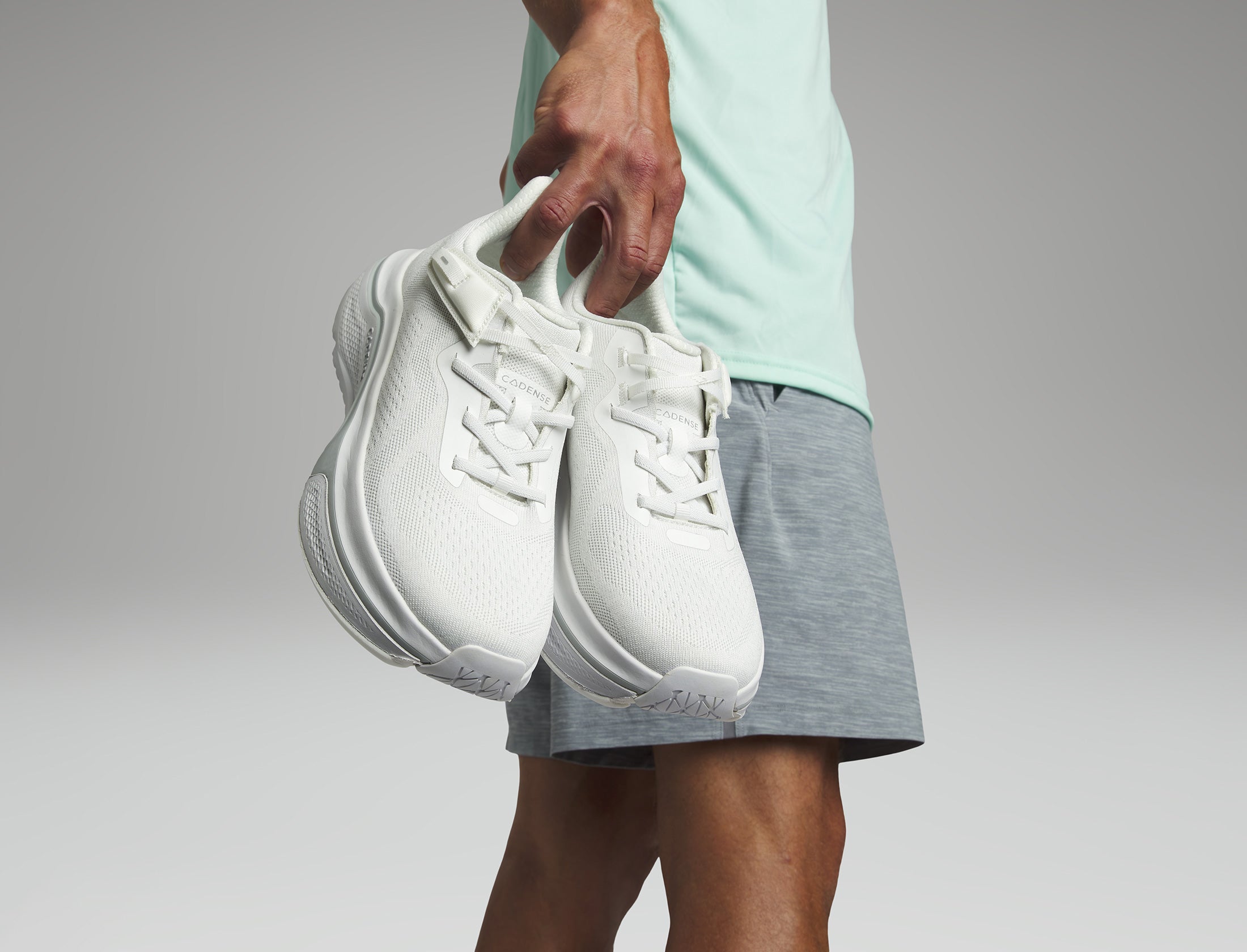
Explore Cadense adaptive trainers at cadense.co.uk to find footwear designed specifically for foot drop, offering comfort, support, and safer walking every day.