
Why Proper Trainers Are Essential for Seniors to Walk Safely Every Day
TL;DR
-
Ageing brings changes in muscle strength, balance, and foot shape that significantly increase the risk of slips, trips, and falls
-
Poorly fitted or worn trainers worsen these risks through reduced traction, pressure points, and poor alignment
-
The best trainers for seniors combine cushioned insoles, supportive arches, wide toe boxes, and slip-resistant soles
-
Orthopaedic and adaptive trainers accommodate foot conditions, orthotics, and AFO braces for more complex mobility needs
-
Proper fit, regular replacement, and professional guidance from a podiatrist or physiotherapist maximise safety and independence
As we age, walking can become more challenging. Muscle strength may decrease, balance can shift, and feet naturally change shape over time. These factors increase the risk of slips, trips, and falls, which are one of the leading causes of injury among seniors. Selecting the right footwear is one of the most important steps a senior can take to maintain mobility, reduce pain, and walk with confidence.
The right trainers provide more than just comfort. They are a practical tool for stability and safety. They support proper alignment, reduce strain on joints, and help seniors move with more natural gait patterns. With well-designed trainers, seniors can stay active, independent, and confident in their daily activities, whether walking indoors, navigating stairs, or heading outside for errands.
How Footwear Impacts Walking Safety
Poor footwear can significantly affect a senior's stability and confidence. Trainers that are worn, ill-fitting, or lacking in support can lead to discomfort, alter gait, and increase the risk of falls. The effects are often gradual and easy to overlook, which is why understanding the specific risks of inadequate footwear is so important.
Common problems seniors face with inadequate footwear include:
-
Foot pain and pressure points: trainers that pinch or compress the foot cause pain and lead to adjustments in walking posture, which can throw off balance and create compensatory gait patterns
-
Reduced traction: smooth or worn soles increase the likelihood of slips on wet, polished, or uneven surfaces both indoors and outdoors
-
Fatigue: a lack of cushioning or support forces muscles to work harder with every step, causing fatigue that compounds instability over the course of the day
-
Postural imbalance: poor arch support or heel design affects overall body alignment, placing additional strain on the ankles, knees, hips, and lower back
-
Heel slippage: trainers that are too large allow the foot to slide, making each step less predictable and increasing the risk of ankle rolling or stumbling
The right pair of trainers addresses all of these concerns, making daily walking safer, less painful, and more efficient from the first step of the day to the last.

Key Features of the Best Trainers for Seniors for Safer Walking
Not all trainers marketed as comfortable are genuinely safe for seniors. When shopping for footwear to improve daily walking safety, it is important to evaluate specific structural features rather than relying on brand name or general cushioning claims.
The most important features to look for include:
-
Cushioned insoles: shock-absorbing insoles reduce the impact on feet and joints with every step, which is particularly important for seniors managing arthritis, plantar fasciitis, or general foot sensitivity
-
Supportive arch: maintaining natural foot alignment protects the ankles, knees, and hips during walking and reduces the cumulative strain that builds over longer periods of activity
-
Wide toe box: allows toes to spread naturally, preventing blisters, bunions, and the kind of discomfort that subtly alters walking posture and disrupts balance
-
Slip-resistant soles: reliable traction on both smooth indoor floors and outdoor surfaces is one of the most direct ways footwear can reduce the risk of slips and falls
-
Adjustable closures: laces, straps, or Velcro allow a secure, customisable fit without creating pressure points, and can be adjusted throughout the day as feet naturally swell
-
Lightweight and flexible materials: trainers that are easy to lift with each step help prevent fatigue whilst maintaining the natural foot motion needed for an efficient, controlled gait
Trainers that combine several of these features provide seniors with both safety and comfort, significantly reducing the risk of accidents during daily movement.
Types of Trainers That Enhance Safety for Seniors
There is no single type of trainer that suits every senior. The right choice depends on individual foot health, daily activities, and any mobility aids or orthotics being used. Here is an overview of the main categories:
-
Walking trainers: provide consistent cushioning and stability for daily wear, with shock absorption and support for weakened joints that makes them a practical choice for most everyday activities
-
Orthopaedic trainers: designed to accommodate foot conditions such as plantar fasciitis, bunions, or arthritis, these trainers typically have deeper soles, removable insoles for custom orthotics, and reinforced heel support
-
Adaptive trainers: for seniors using AFO braces or other assistive devices, adaptive trainers are built with the extra depth and wide openings needed to accommodate these supports without compromising comfort or stability
-
Slip-on or easy-fasten trainers: Velcro or elasticated uppers reduce the effort and bending required to put trainers on, making them a practical option for those with limited hand dexterity or hip mobility, whilst still providing meaningful support
A combination of comfort, support, and proper fit ensures trainers serve as a genuine aid for safe walking rather than a source of additional discomfort or risk.
How Proper Fit Enhances Walking Safety
Even the best-designed trainers will not prevent falls if they do not fit correctly. For seniors, fit is especially important because feet continue to change shape throughout life, often becoming wider, flatter, or more sensitive with age. Many seniors are wearing trainers in a size or width that no longer reflects the current shape of their feet.
Key considerations when ensuring a proper fit include:
-
Try trainers on with socks or orthotics: wearing the same socks or inserts that will be used daily ensures the fit reflects real-world conditions rather than an idealised scenario in a shop
-
Check toe room: toes should have enough space to move and spread without rubbing against the end or sides of the trainer
-
Test the walk on different surfaces: walking indoors on both carpet and hard flooring before purchasing reveals how the trainer performs in the conditions it will actually be used in
-
Avoid tight or loose trainers: trainers that pinch cause pain and postural adjustments, whilst trainers that slide create instability and increase the risk of ankle rolling
-
Shop later in the day: feet are at their most swollen in the afternoon and evening, so trainers purchased at this time of day are less likely to feel uncomfortably tight by the end of a long day
Properly fitted trainers support balance, protect against fatigue, and allow seniors to walk longer distances with greater comfort and security.
Additional Tips for Safe Walking
Good trainers are most effective when they are part of a broader approach to walking safety. Here are some additional steps worth taking:
-
Replace trainers when worn: cushioning and sole traction degrade over time, often before the upper shows visible signs of wear, so replacing trainers regularly is important for maintaining consistent support
-
Consider orthotic inserts: custom or over-the-counter insoles can improve arch support, redistribute pressure, and provide additional cushioning tailored to specific foot conditions
-
Choose low, stable heels: even a small heel raises the centre of gravity and shifts balance forward, so low and stable is always preferable for seniors prioritising safety
-
Seek professional guidance: a podiatrist can assess foot health and recommend specific trainer features, whilst a physiotherapist can advise on footwear in the context of gait, balance, and any ongoing rehabilitation
-
Address the home environment too: combining proper trainers with simple home adjustments such as removing loose rugs, improving hallway lighting, and installing grab rails in the bathroom creates a much more comprehensive approach to fall prevention
How Proper Trainers Support Confidence and Independence
Beyond physical safety, the right trainers have a meaningful psychological impact. Seniors who feel secure and stable whilst walking are more likely to remain active, engage with their communities, and maintain the social connections that are so important for long-term wellbeing.
Fear of falling is itself a significant risk factor for falls, because it leads to reduced activity, muscle deconditioning, and increased anxiety around movement. When footwear provides a reliable, stable foundation, that fear reduces. Seniors walk with greater confidence, take on more daily activities, and experience a better quality of life overall.
Choosing trainers designed for balance and support is not just a practical decision. It is an investment in independence and quality of life.
Get the Right Trainers and Walk Safely Today
The best trainers for seniors for safer walking are more than just comfortable. They are a key tool for safety, balance, and independence. Features like cushioning, slip-resistant soles, supportive arches, and proper fit reduce foot pain, prevent falls, and allow seniors to maintain confidence in their mobility every single day.
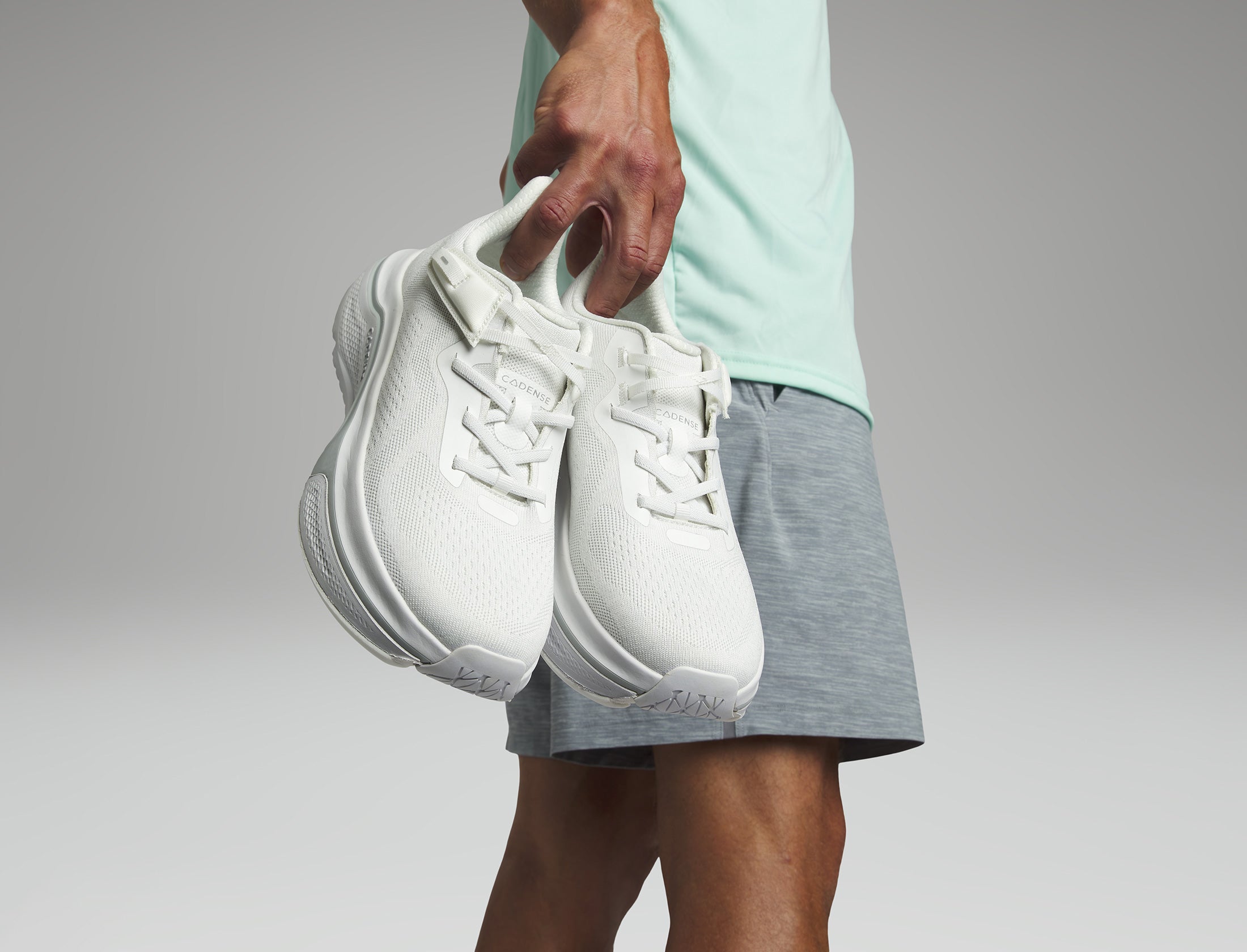
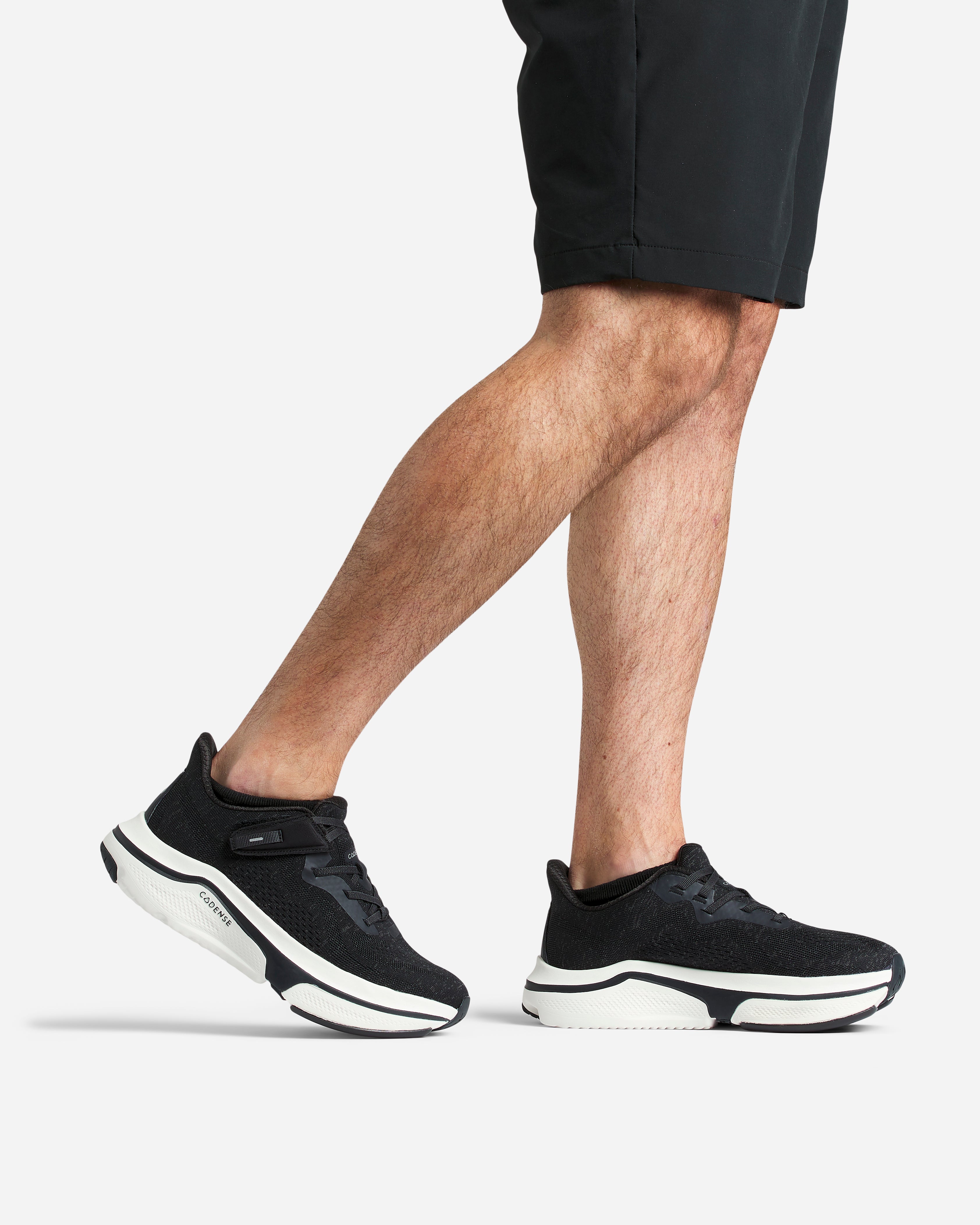
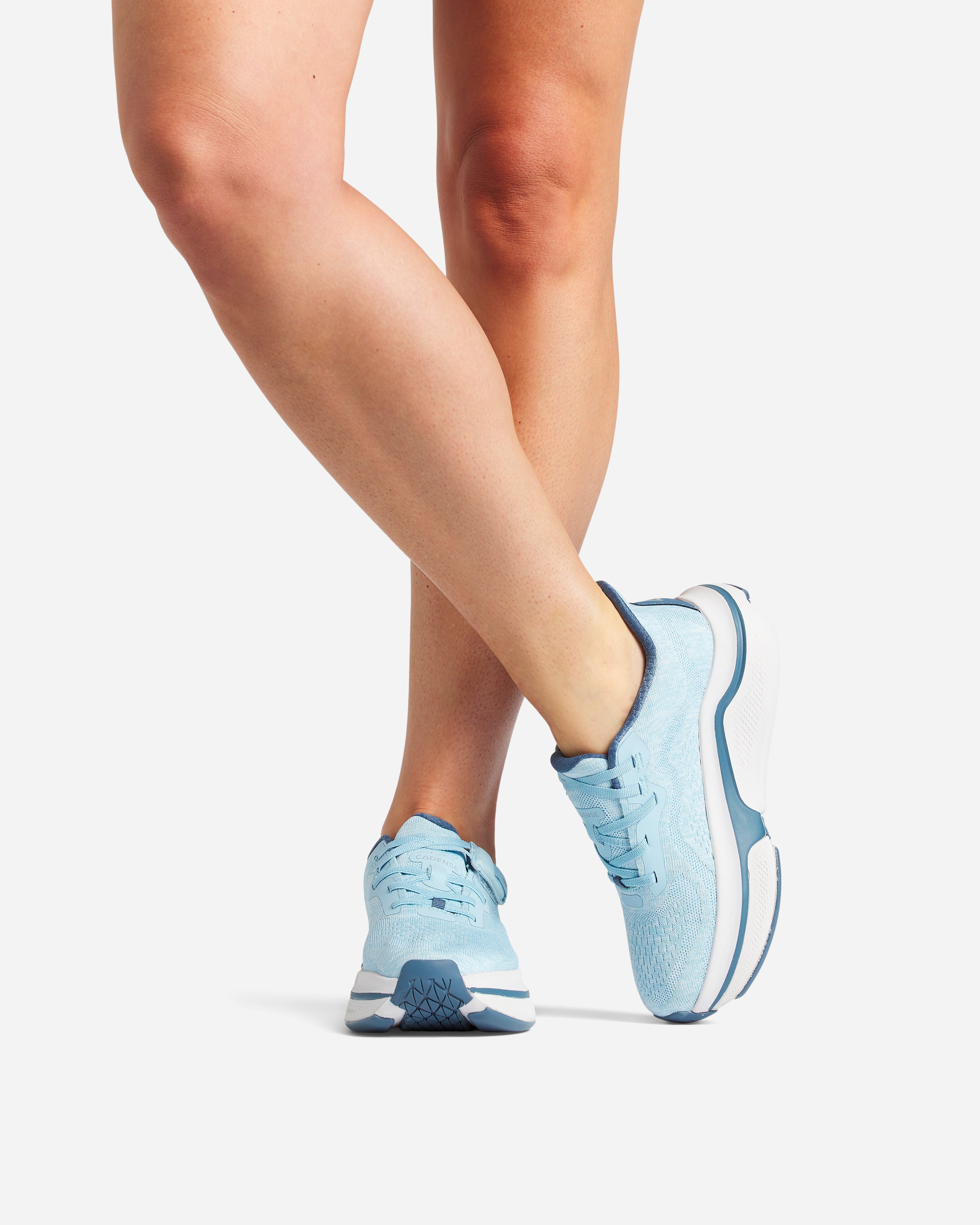
Explore Cadense adaptive trainers at cadense.co.uk, designed specifically to support sensitive feet, work with braces or orthotics, and keep seniors comfortable, stable, and safe whilst walking.