
How the Best Trainers to Prevent Falls Support Safer Walking at Any Age
If walking feels less steady than it used to, you're not alone. Changes in strength, balance, or sensation can affect people of all ages, not just seniors. Even small changes in the way you walk can increase the risk of accidents, trips, slips, and falls.
Footwear plays a bigger role in walking safety than many people realise. The right trainers can support balance, reduce fatigue, and help you move more confidently throughout the day.
How Balance and Gait Changes Increase Fall Risk
Walking relies on a coordinated effort between muscles, nerves, and joints. When one part of that system is affected, it often shows up in subtle gait changes, including:
-
Shorter or uneven steps
-
Foot dragging or reduced toe lift
-
A wider stance to feel more stable
-
Slower reaction time when adjusting to surfaces
These changes make it easier to catch a toe, lose footing, or feel unsteady, especially on stairs, uneven ground, or slick surfaces.
What Makes Trainers Helpful for Preventing Falls?
The best trainers to prevent falls aren't about stiffness or bulk. They're about supporting natural movement whilst improving stability. Key features include:
-
A wide toe box that allows toes to spread and support balance
-
Lightweight, flexible soles that encourage a natural walking pattern
-
Supportive structure that keeps the foot stable without restricting movement
-
Secure fit that reduces slipping inside the trainer
-
Easy on/off design that supports independence and reduces strain
Trainers that combine these elements help reduce accidents, trips, slips, and falls during everyday movement.
Why Poor Footwear Can Increase Walking Risks
Trainers that lack proper support can work against your body. Common issues include:
-
Narrow toe boxes that limit balance
-
Heavy or rigid soles that disrupt natural gait
-
Loose-fitting trainers that allow foot movement inside
-
Minimal support that increases fatigue
Over time, these issues can contribute to instability and make walking feel more effortful than it needs to be.

How Supportive Trainers Work With Therapy and Movement
Supportive footwear is most effective when paired with movement strategies like physical therapy. Together, they help:
-
Reinforce proper walking mechanics
-
Reduce compensatory movements that strain muscles
-
Support balance training exercises
-
Carry improvements from therapy into daily life
This combination creates a more consistent foundation for safer walking at home and outdoors.
How Cadense Trainers Support Safer Walking
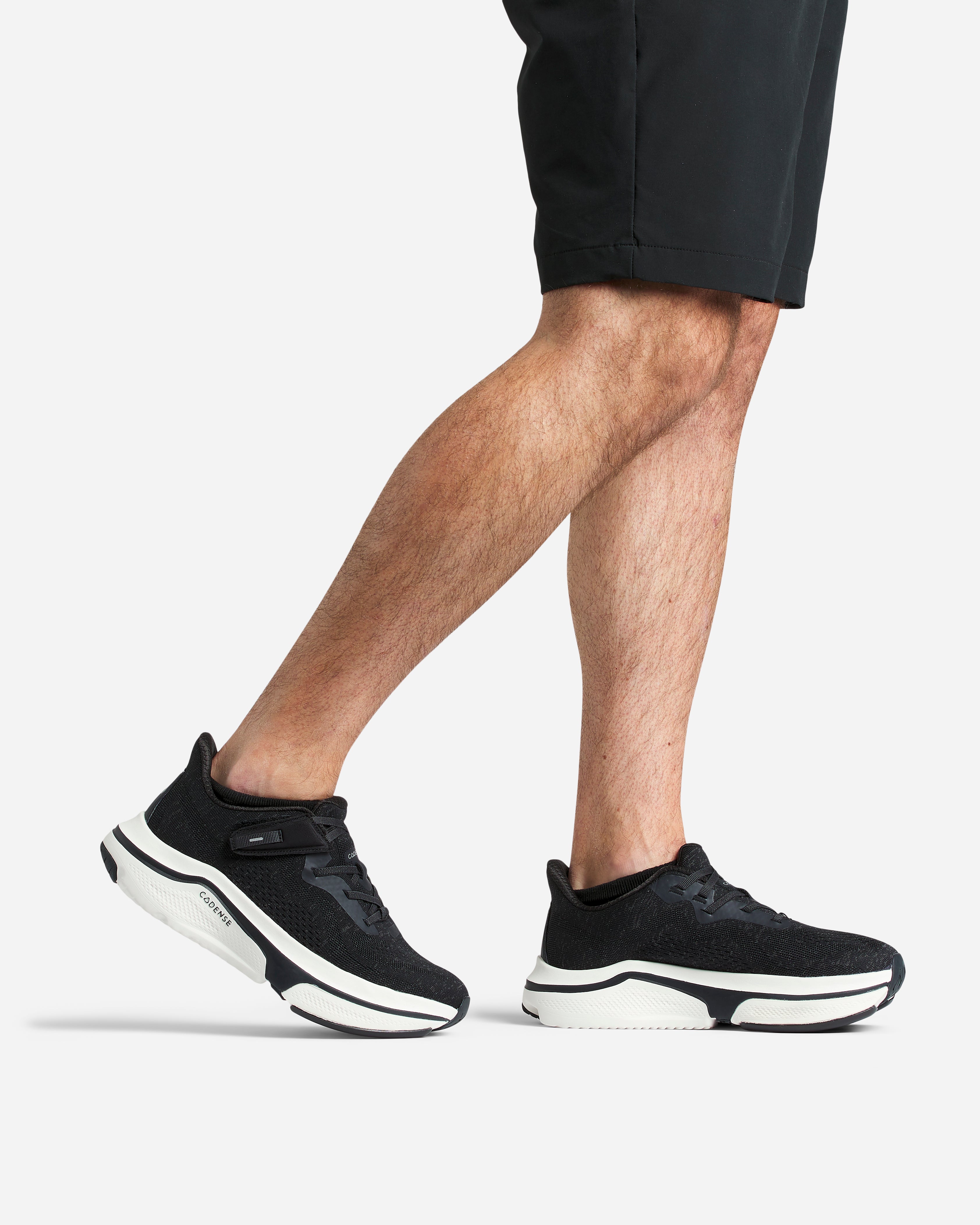
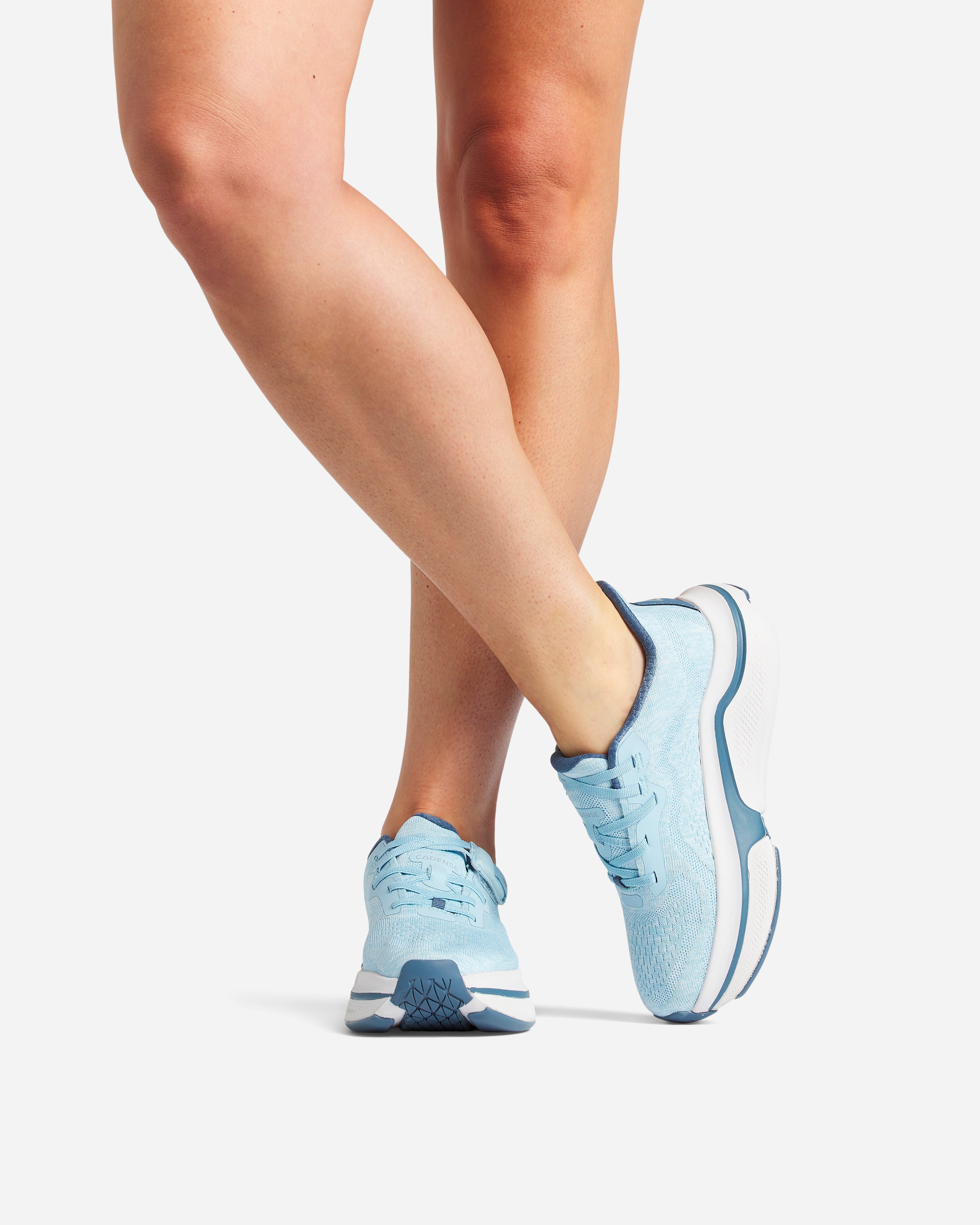
Cadense trainers are designed specifically for people facing mobility challenges, not just style preferences. They offer:
-
A wide toe box for comfort and stability
-
Lightweight, flexible soles that support natural movement
-
Patented Variable Friction Technology to improve ground contact
-
A supportive fit that helps reduce accidents, trips, slips, and falls
-
Easy on/off design that supports daily independence
These features work together to support confident, comfortable walking at any age.
Practical Tips for Improving Walking Safety
-
Wear supportive trainers consistently, even indoors
-
Address balance changes early with professional guidance
-
Keep walking surfaces clear and well-lit
-
Combine footwear with strength and balance exercises
Small adjustments can make a meaningful difference in daily mobility.
Get Trainers to Help You
The best trainers to prevent falls support safer walking by improving stability, comfort, and confidence. When footwear works with your body instead of against it, everyday movement becomes easier and more secure.
Explore Cadense adaptive trainers, designed to help reduce accidents, trips, slips, and falls whilst supporting natural movement at cadense.co.uk.