
How the Right Trainers Can Keep Your Parents Safe From Falls
TL;DR
-
Falls are a leading cause of serious injury among older adults, and choosing the right trainers is one of the most practical steps to reduce that risk
-
Key features to look for include slip-resistant soles, secure closures, cushioned midsoles, low stable heels, arch support, and a wide toe box
-
Signs your parents need new trainers include worn tread, foot pain, slipping inside the trainer, and a pattern of near-falls
-
Trainers work best as part of a broader strategy that includes clear walkways, good lighting, assistive devices, and balance exercises
-
Involve your parents in choosing their trainers, as footwear they feel comfortable and confident in is far more likely to be worn consistently
As our parents age, everyday activities like walking around the house, popping out for errands, or taking a stroll outside can become riskier. Falls are a leading cause of serious injury among older adults, often resulting in fractures, hospital visits, and a loss of independence that takes a long time to recover from. One of the most effective ways to reduce this risk is simpler than many people realise: choosing the right trainers.
For adult children concerned about safety, understanding which trainers genuinely help prevent falls, and why certain features matter, can make the process of choosing footwear for your parents far more purposeful and effective.
Why Footwear Matters for Fall Prevention
Footwear plays a more significant role in fall prevention than most people appreciate. Trainers that lack support, traction, or a proper fit can increase the risk of trips, slips, and stumbles in ways that accumulate gradually. Many seniors unknowingly wear trainers that are too loose, have worn-out soles, or were chosen for style rather than safety. The problems this creates are often subtle until they are not.
Proper footwear helps by providing a secure fit that keeps the foot aligned and reduces wobbling, supporting proper posture and walking mechanics that make each step more stable and predictable, gripping smooth or wet surfaces through slip-resistant soles, and giving parents the comfort and confidence to stay active rather than reducing their movement out of fear. By selecting trainers with these qualities, adult children can significantly reduce fall risk and help their parents maintain independence for longer.
Key Features to Look for in Fall-Preventing Trainers
When shopping for trainers for seniors, these are the features that make the most meaningful difference to safety in practice.
1. Slip-Resistant Soles
Rubber soles with textured tread provide reliable grip on hardwood, tile, and outdoor surfaces. Look for multi-directional patterns that channel water away from the sole and maintain their grip as the trainer ages, rather than smooth outsoles that offer little traction in wet or polished conditions.
2. Secure Closures
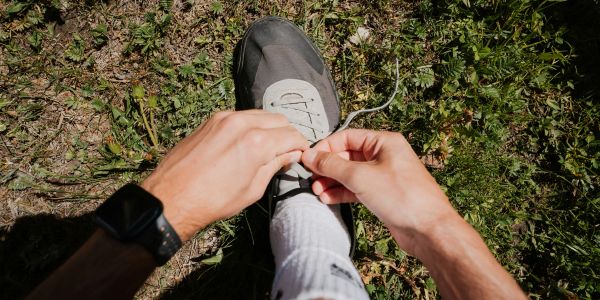
Velcro straps, hook-and-loop fasteners, or adjustable laces keep the trainer snug and prevent the foot from sliding inside during walking. For seniors with limited hand dexterity or arthritis, closures that are easy to manage independently are particularly important, as a trainer worn incorrectly provides far less protection than intended.
3. Cushioned Midsoles
Proper cushioning absorbs the impact of each step, reduces joint stress, and makes walking more comfortable for older adults managing arthritis, foot sensitivity, or general fatigue. Good cushioning also extends the amount of time seniors can spend on their feet before tiredness begins to affect their balance.
4. Low, Stable Heel
A flat or low heel keeps the foot closer to the ground, supporting balance and reducing the wobble that comes with elevated footwear. Even a small heel shifts the body's centre of gravity forward, making controlled movement harder and increasing the chance of losing balance on uneven surfaces.
5. Arch Support
Supportive arches distribute weight evenly across the foot, improving posture and reducing the cumulative strain on the ankles, knees, and hips that builds over a day of walking. Without adequate arch support, the foot pronates inward or supinates outward, both of which affect overall walking stability.
6. Roomy Toe Box
A wide toe area prevents pinching, accommodates common foot conditions like bunions or swelling, and allows the toes to spread naturally with each step. When toes are compressed, walking posture shifts in subtle ways that reduce stability and increase the likelihood of stumbling.
Types of Trainers That Help Prevent Falls
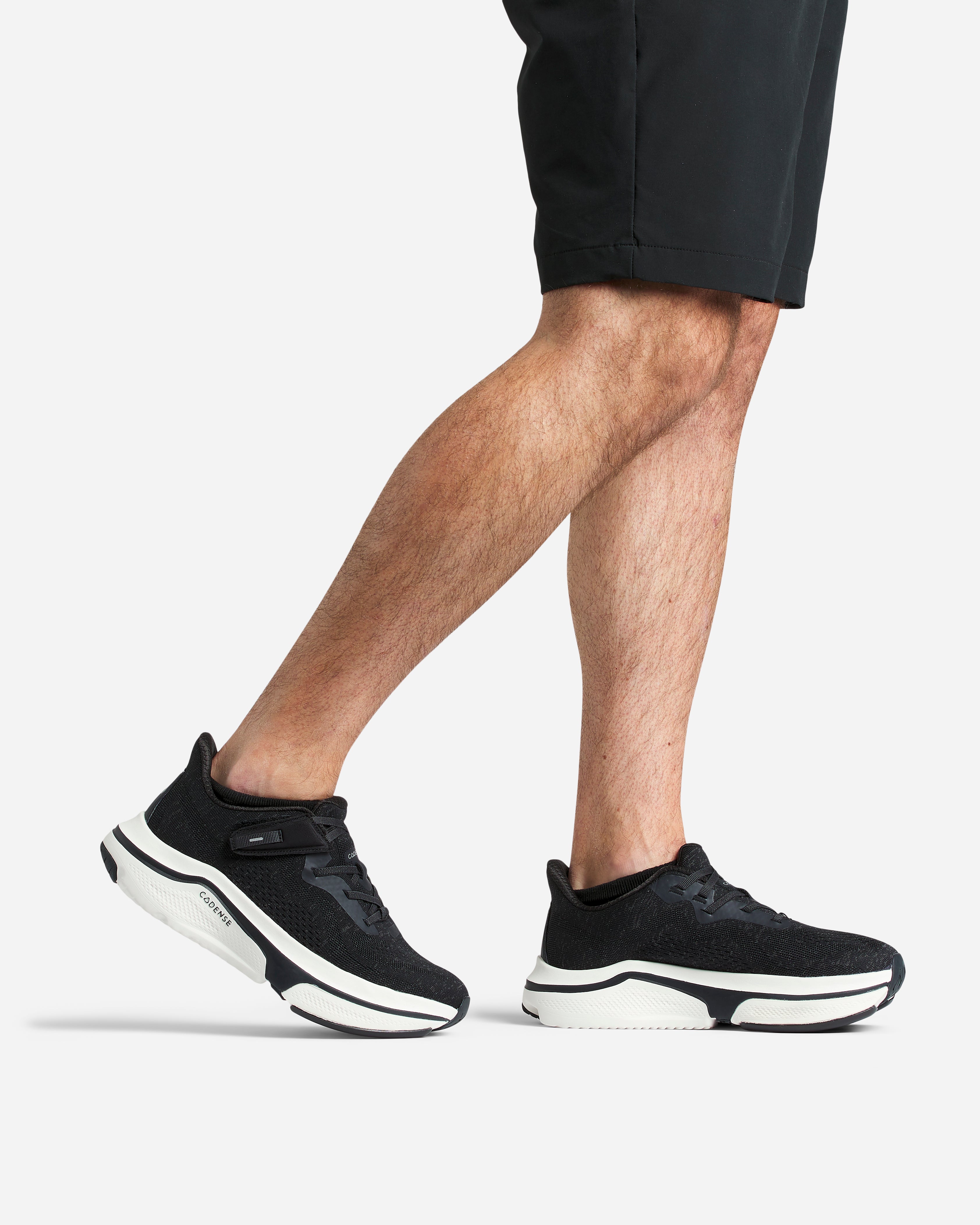
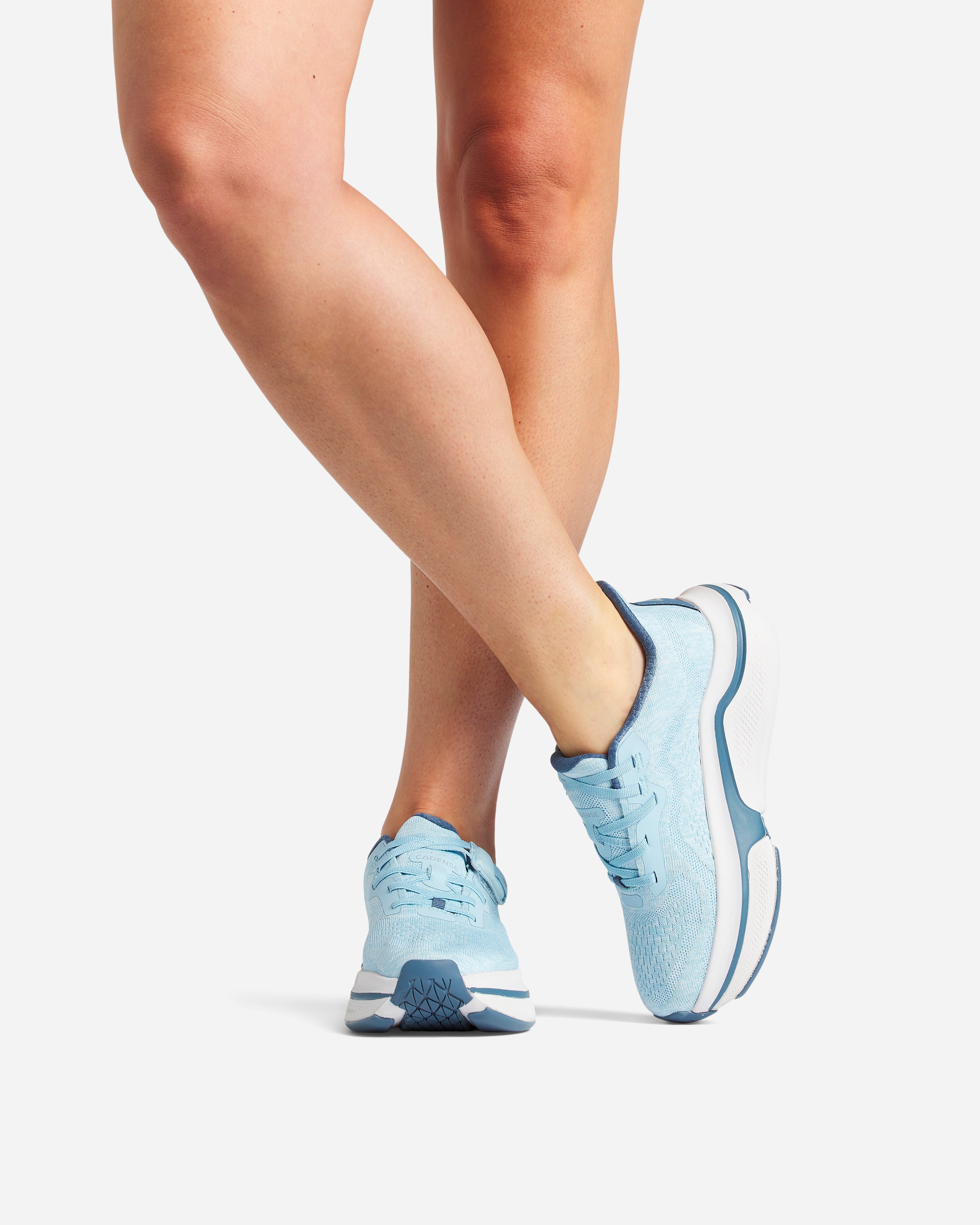
The right type of trainer depends on your parents' lifestyle, foot health, and any specific mobility needs they have. Slip-on walking trainers with elastic panels or Velcro straps are easy to put on and take off, making them a practical choice for seniors with limited dexterity or hip mobility whilst still providing a secure fit. Supportive trainers with structured cushioning, arch support, and slip-resistant soles suit more active seniors who enjoy regular walking or light exercise. Orthopaedic or adaptive trainers accommodate orthotics, AFO braces, or foot deformities without sacrificing the stability needed for safe daily movement. For parents who value a more everyday look, there are casual comfort trainers that meet the key safety criteria and work well for errands, social outings, and general wear. Extra-depth trainers are worth considering for those managing swelling or bunions, as they provide the internal room needed to stay comfortable without compromising balance or fit.

Signs Your Parents May Need New Trainers
Even well-designed trainers wear out over time, and the degradation of cushioning and traction is not always visible from the outside. It is worth watching for slipping or sliding inside the trainer, uneven or visibly worn tread on the sole, foot pain, numbness, or discomfort during or after walking, a pattern of frequent trips, stumbles, or near-falls, and trainers that no longer fit the foot comfortably. If any of these signs are present, replacing the trainers sooner rather than later is one of the simplest preventive steps you can take.
How to Pair Trainers With Other Fall Prevention Measures
Trainers are most effective when combined with other strategies to reduce fall risk at home and outdoors. Removing clutter, trailing cords, and loose rugs from walkways eliminates common trip hazards that good footwear alone cannot compensate for. Ensuring hallways, staircases, and entrances are well-lit means your parents can see obstacles before they become a problem. Handrails and grab rails in higher-risk areas like staircases and bathrooms add support where it is most needed, whilst regular balance, strength, and flexibility exercises maintain the physical capabilities that underpin safe walking over the long term.
Combining the right trainers with these measures creates a far more comprehensive approach to fall prevention than any single strategy alone.
Tips for Choosing the Right Trainers for Your Parents
Shopping for fall-prevention trainers works best when comfort, fit, and safety are given equal weight. Start by measuring your parents' feet accurately, as foot shape and width often change with age and a familiar size may no longer be the right one. Look for trainers labelled for stability, balance, or senior safety, and make sure they can accommodate any orthotics or braces your parents use. Replace worn trainers promptly rather than waiting until they look obviously damaged, as the internal cushioning and outsole grip degrade well before the upper shows signs of wear.
Involving your parents in the selection process is also important. Trainers that feel comfortable and that they genuinely like are far more likely to be worn consistently every day, which is ultimately what makes the difference between a preventive measure that works and one that sits unused in the wardrobe.
Give Your Parents the Foundation to Walk Safely Every Day
The right trainers are one of the simplest and most effective ways to help prevent falls for seniors. Supportive, stable footwear improves balance, reduces accidents, and allows your parents to maintain independence and confidence in their daily movement. Investing in the right pair is not just practical, it is one of the most meaningful things you can do to support their long-term wellbeing.
Explore Cadense adaptive trainers at cadense.co.uk to find footwear designed for seniors that combines stability, comfort, and safety, helping your parents walk confidently and securely every single day.