Article: Top Trainers That Help Prevent Falls for Parents and Older Adults

Top Trainers That Help Prevent Falls for Parents and Older Adults
TL;DR
-
Falls are one of the leading causes of serious injury among older adults, and the right footwear is one of the most overlooked preventive measures
-
Trainers that help prevent falls combine slip-resistant soles, secure closures, proper cushioning, arch support, and wide toe boxes
-
Categories to consider include slip-on walking trainers, supportive trainers, orthopaedic and adaptive options, and extra-depth designs
-
Footwear works best as part of a broader fall prevention strategy that includes clear walkways, good lighting, and regular balance exercises
-
Involve your parents in choosing their trainers to ensure they will actually wear them consistently, which is what makes the difference
As our parents age, every step they take matters. Falls are one of the leading causes of injury among older adults, often resulting in fractures, hospital visits, or a loss of independence that is difficult to recover from. Whilst home modifications and balance exercises are important, one of the simplest and most effective preventive measures is often overlooked: the right footwear.
Trainers that help prevent falls can dramatically improve stability, balance, and confidence. For adult children looking to protect their parents, understanding which features matter most and which types of trainer are designed with safety in mind makes choosing the right pair far easier.
Why Fall-Preventing Trainers Are Essential
Many older adults wear trainers that look comfortable but offer little meaningful support. Slippery soles, worn-out tread, or trainers that do not fit properly all increase the risk of trips and falls in ways that build gradually and are easy to miss. The foot slides inside a loose trainer, the sole loses grip on a smooth kitchen floor, or tired joints absorb more impact than they should after a long day on inadequately cushioned footwear.
Supportive footwear addresses these risks by stabilising the foot and ankle to reduce wobbling, providing slip-resistant traction on a range of surfaces, encouraging proper posture and walking patterns, and reducing the fatigue and discomfort that make movement feel more risky as the day goes on. When parents wear trainers designed for fall prevention, they are less likely to experience accidents, giving both them and their adult children genuine peace of mind.
Key Features to Look For
When shopping for trainers that help prevent falls, these are the features that make the most meaningful difference to safety and daily comfort.
1. Slip-Resistant Soles
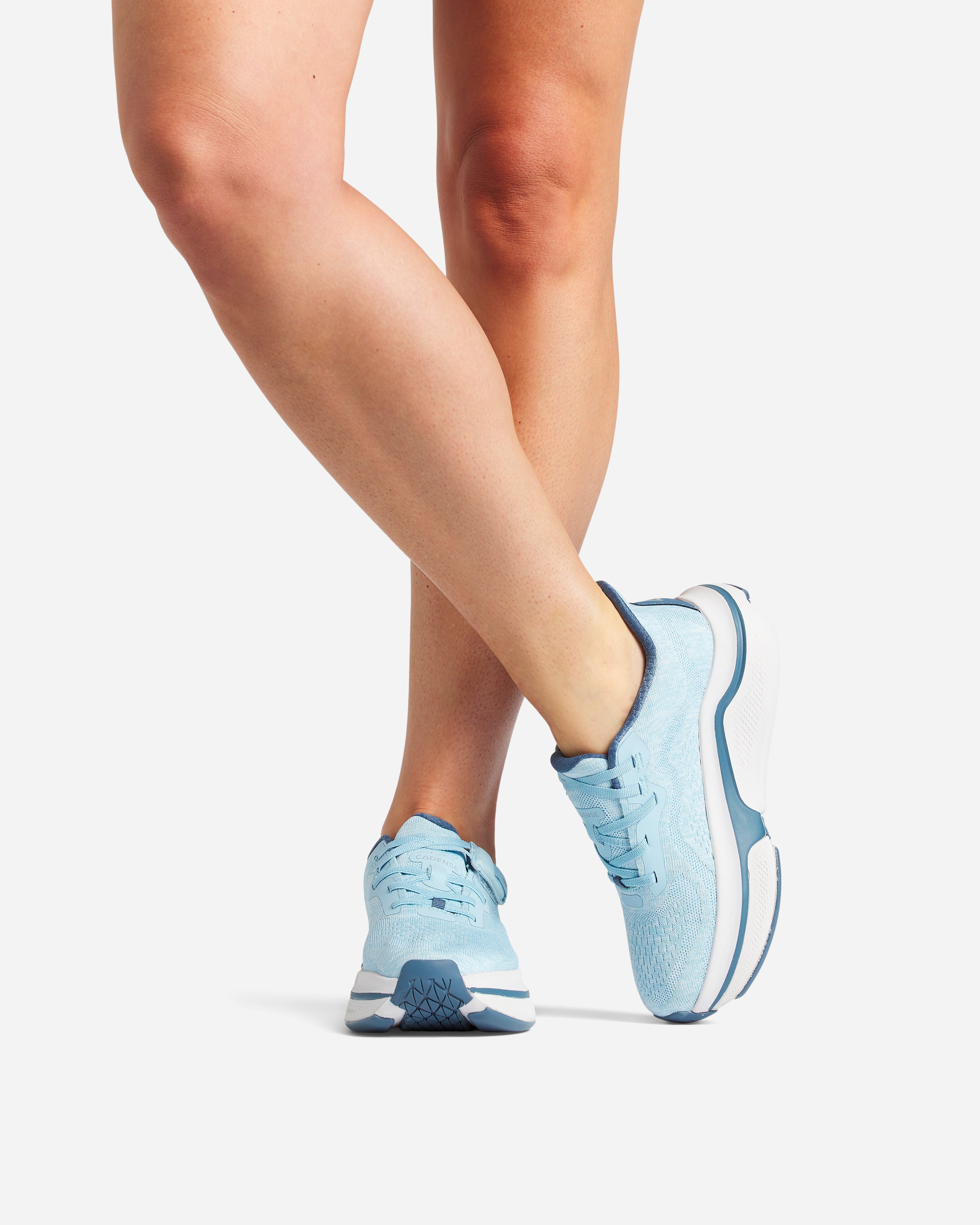
A textured rubber outsole grips floors and pavements, reducing the chance of slipping on wet or smooth surfaces. Look for multi-directional tread patterns that maintain their grip as the sole wears rather than smooth outsoles that look fine but offer little traction in practice.
2. Secure Closures
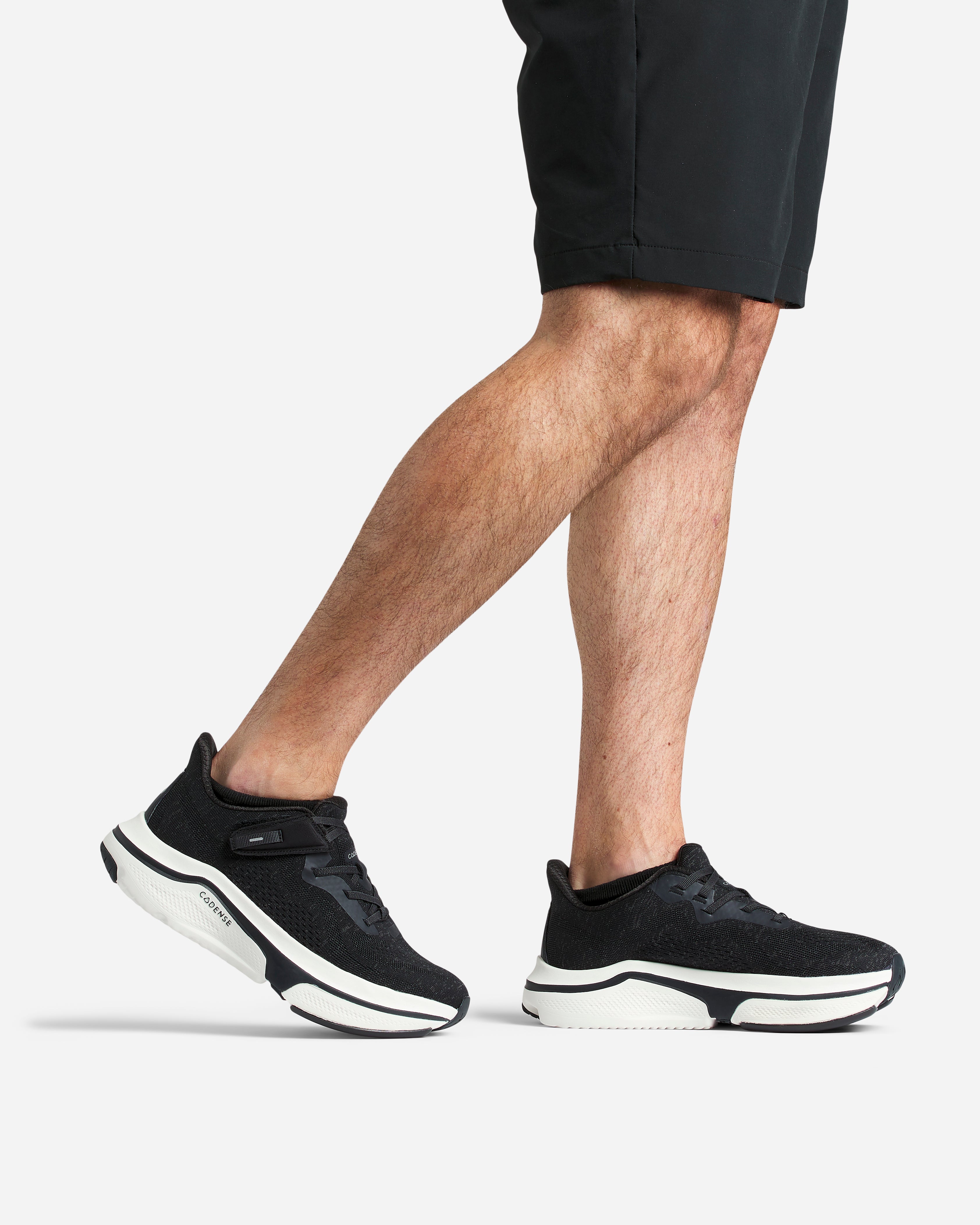
Velcro straps, adjustable laces, or hook-and-loop fasteners keep the trainer snug and prevent the foot from sliding inside during walking. This is particularly important for seniors with limited hand dexterity, as a closure that is difficult to manage properly is likely to end up worn incorrectly.
3. Proper Cushioning
Soft midsoles absorb impact, reduce joint stress, and make walking more comfortable over longer periods. For seniors with arthritis or general foot sensitivity, adequate cushioning can make the difference between a painful outing and a manageable one.
4. Stable Heel Design
A low, broad heel keeps the foot close to the ground, improving balance and making each step more predictable. Elevated or narrow heels shift the body's centre of gravity and increase the risk of losing balance, particularly on uneven surfaces.
5. Adequate Arch Support
Supportive arches help distribute weight evenly across the foot, promoting better posture and reducing the strain that accumulates in the ankles, knees, and hips over the course of a day.
6. Roomy Toe Box
A wider toe area prevents pinching, accommodates common foot conditions like bunions or swelling, and allows the toes to spread naturally. This reduces discomfort that can subtly alter walking posture and lead to instability over time.
Types of Trainers That Help Prevent Falls
There is no single trainer that suits every senior, and the right choice depends on lifestyle, foot health, and any specific mobility needs. Here are the main categories worth considering.
Slip-on walking trainers with elastic panels or Velcro straps are easy to put on and take off, making them a practical choice for seniors with limited mobility or dexterity, whilst still providing comfort and a secure fit. Supportive trainers designed with cushioning, arch support, and slip-resistant soles are well suited to more active seniors or those who enjoy light walking and exercise. Orthopaedic or adaptive trainers accommodate orthotics, AFO braces, or foot deformities whilst maintaining the balance and stability needed for safe daily movement. For seniors who prefer something that looks less clinical, there are also casual comfort trainers that meet the key safety criteria without sacrificing style, making them suitable for errands, social outings, and everyday wear. Finally, extra-depth trainers provide room for foot conditions like swelling or bunions, ensuring comfort without compromising stability.

How Trainers Fit Into a Complete Fall Prevention Strategy
Proper trainers are a critical component of fall prevention, but they work best alongside other measures rather than in isolation. Clearing walkways of clutter, loose rugs, and trailing cables removes common trip hazards at home. Ensuring hallways, staircases, and entrances are well-lit helps your parents see obstacles before they become a problem. Handrails, grab rails in the bathroom, and walking sticks provide additional support in higher-risk areas. Regular balance, strength, and flexibility exercises maintain the underlying physical capabilities that keep walking safe.
By pairing trainers that help prevent falls with these practical adjustments, adult children can create a much safer environment for their parents both at home and when they are out and about.
Tips for Choosing Trainers for Your Parents
Shopping for trainers for older adults requires attention to comfort, fit, and safety in equal measure. Start by measuring their feet properly, as feet often change shape and width with age and a familiar size may no longer be accurate. Look for trainers labelled for stability, balance, or fall prevention, and make sure they can accommodate orthotics if your parents use them. Replace worn trainers before the tread or cushioning deteriorates, as degraded support is not always visible from the outside but significantly increases fall risk.
Most importantly, involve your parents in the selection process. Trainers that feel comfortable and that they actually like the look of are far more likely to be worn every day, which is ultimately what makes fall prevention practical and sustainable.
Help Your Parents Walk Safely Every Single Day
Choosing the right trainers is one of the most effective things you can do to help prevent falls in older adults. Trainers that provide stability, cushioning, and a secure fit improve confidence, mobility, and overall safety in a way that is simple, immediate, and lasting.
Explore Cadense adaptive trainers at cadense.co.uk to find footwear specifically designed to support older adults, helping your parents walk safely, confidently, and comfortably every day.