The Best Comfortable Trainers for Seniors: Support, Cushioning, and Safety
TL;DR
-
As feet change with age, comfortable and supportive trainers become essential for safety, not just comfort
-
Key features to look for include cushioned insoles, wide toe boxes, arch support, and slip-resistant soles
-
Orthopaedic and adaptive trainers offer additional depth and structure for those with foot conditions or braces
-
A proper fit matters as much as design — always try trainers on with your usual socks or orthotics
-
Combining well-fitted trainers with professional guidance from a podiatrist or physiotherapist gives the best results
As we age, finding the right trainers becomes more than a matter of style — it's essential for comfort, stability, and safety. Seniors often face foot pain, balance challenges, and joint issues that can make walking uncomfortable or risky. Even small changes in foot structure or strength can have a noticeable impact on how confident and secure daily movement feels.
The best comfortable trainers for seniors are designed to support ageing feet, reduce pressure points, and help prevent trips and falls. Choosing the right pair can improve mobility, protect joints, and allow seniors to stay active and independent for longer.
Why Comfortable Trainers Are Important for Seniors
Comfortable trainers play a key role in everyday mobility. Feet tend to change shape with age, becoming wider, flatter, or more sensitive. Conditions like arthritis, plantar fasciitis, bunions, or foot drop can cause discomfort or pain that makes walking feel like hard work.
These changes don't just affect comfort — they affect safety. When walking is painful or unpredictable, people naturally begin to shorten their stride, shuffle their feet, or shift their weight unevenly. Over time, these compensations can increase the risk of trips, slips, and falls.
Wearing supportive, cushioned footwear can:
-
Reduce foot and joint pain during daily movement
-
Improve balance and stability with each step
-
Prevent slips, trips, and falls on indoor and outdoor surfaces
-
Increase confidence whilst walking, whether indoors or out
-
Support independence by making movement feel safer and less tiring
For seniors, investing in proper trainers is an investment in safety and quality of life.
Key Features of Comfortable Trainers for Seniors
Not all comfortable-looking trainers are actually built to support ageing feet. Many styles prioritise aesthetics or general cushioning without considering the structural needs of someone managing foot pain or balance challenges. When selecting trainers, consider these essential features:
-
Cushioned insoles — absorb shock and relieve pressure from sensitive areas, particularly the heel and ball of the foot
-
Supportive arch — maintains natural foot alignment and prevents strain on the ankles, knees, and hips
-
Wide toe box — allows toes to spread naturally, reducing pinching, pressure on bunions, and general discomfort
-
Adjustable closures — laces, straps, or Velcro ensure a secure, customisable fit that can be adjusted throughout the day as feet swell
-
Slip-resistant soles — provide traction on smooth or uneven surfaces, significantly reducing fall risk indoors and outdoors
-
Lightweight and flexible materials — allow natural movement without restricting the foot or adding unnecessary fatigue
Trainers with these features can help seniors walk longer, feel more comfortable, and maintain their independence throughout the day.

Types of Trainers That Work Best
The right type of trainer depends on a senior's lifestyle, mobility needs, and any underlying foot conditions. Here's an overview of the main options:
-
Walking trainers — offer stable soles, cushioning, and long-term comfort for everyday use on pavements, in the home, or during leisure activities
-
Orthopaedic trainers — designed to accommodate foot conditions and orthotics, with extra depth and reinforced support that goes beyond what standard footwear provides
-
Adaptive trainers — work alongside braces or supports for those with foot drop or limited mobility, ensuring devices function correctly without compromising fit or comfort
-
Slip-on or easy-fasten trainers — reduce the effort and bending required to put trainers on, making them a practical choice whilst still providing meaningful support and stability
Taking the time to identify which type best suits your daily routine makes a real difference in how much benefit the footwear provides.
How Proper Fit Makes a Difference
Even the most well-designed trainers won't deliver their full benefit if they don't fit correctly. Ill-fitting footwear is one of the most common — and most overlooked — contributors to discomfort and instability in seniors.
When trying on trainers, seniors should:
-
Always try trainers on with the socks or orthotics they normally wear, as this significantly affects how the trainer fits and feels
-
Ensure the toe box is wide enough for natural toe movement without any pinching or pressure
-
Walk around indoors on both carpet and hard floors to test comfort, grip, and balance before buying
-
Avoid trainers that pinch, rub, or feel loose at the heel — these can cause blisters, pain, or dangerous slipping
-
Shop for trainers later in the day when feet are at their most swollen, to avoid buying a pair that becomes uncomfortably tight by the afternoon
A properly fitted trainer enhances comfort, reduces fatigue, and provides the stable foundation needed for safe daily movement.
Additional Advice for Foot Health and Safety
Good trainers are most effective when combined with a broader approach to foot health and daily safety. Here are some additional steps worth considering:
-
Replace worn trainers promptly — old soles or compressed cushioning no longer provide adequate support and can quietly increase fall risk without feeling obviously worn out
-
Use orthotics if needed — custom or over-the-counter inserts can provide extra arch support, relieve pressure points, and improve overall alignment
-
Choose low, stable heels — avoid high or unstable heels, which shift the body's centre of gravity and make balance harder to maintain
-
Seek professional guidance — a podiatrist or physiotherapist can recommend trainers based on your specific foot condition, gait pattern, and mobility goals
-
Keep walkways clear — removing loose rugs, improving lighting in hallways, and installing grab rails in bathrooms all work alongside good footwear to reduce fall risk at home
Combining well-fitted trainers with these adjustments gives seniors the strongest possible foundation for safe and comfortable daily movement.
Don't Wait — Give Your Feet the Support They Deserve
The best comfortable trainers for seniors combine cushioning, support, and slip-resistant safety to protect feet, improve walking, and reduce the risk of falls. Investing in proper footwear helps seniors stay active, independent, and confident every single day — and the difference the right pair makes can be felt from the very first step.
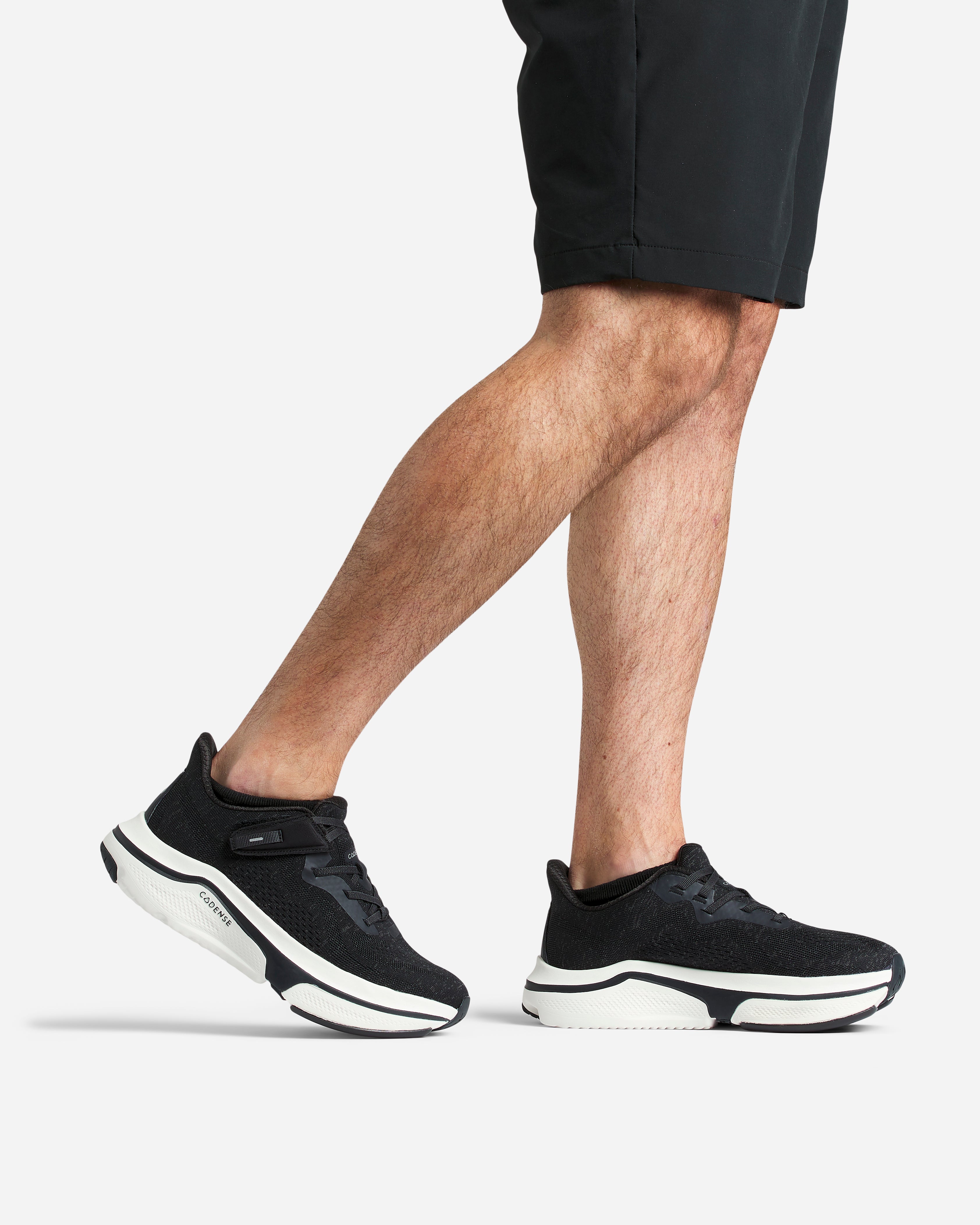
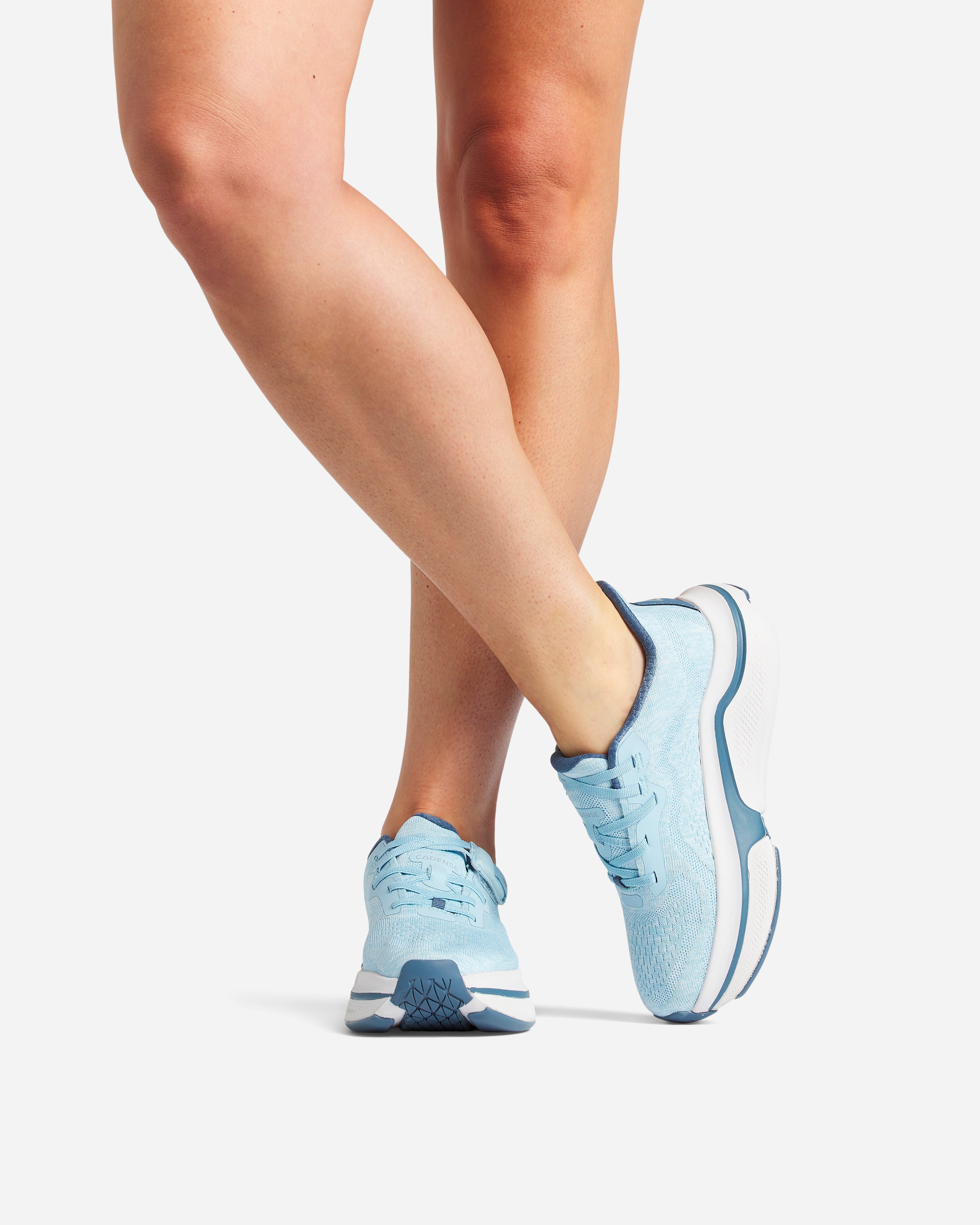
Explore Cadense adaptive footwear at cadense.co.uk to find trainers that support sensitive feet, work with braces or orthotics, and keep seniors comfortable, stable, and safe whilst walking.