What Makes Trainers Designed for Foot Drop Different From Regular Footwear
Living with foot drop can make walking unpredictable. Your foot may drag, slap, or feel unstable with each step. Many people rely on braces, orthotics, or therapy to manage the condition, but trainers play an equally important role. Wearing footwear that isn't designed to work with foot drop can increase fatigue, reduce stability, and make daily walking more challenging.
Trainers designed for foot drop are built differently from regular footwear. They are made to support braces and orthotics, accommodate limited ankle motion, and reduce the risk of trips, slips, and falls. Understanding these differences can help you choose footwear that supports safer and more comfortable walking.
Why Can't Regular Trainers Fully Support Foot Drop?
Regular trainers are made for average foot motion and general comfort. They rarely account for the needs of someone with foot drop, such as:
-
Limited ankle dorsiflexion (lifting the front of the foot)
-
Increased risk of tripping due to dragging toes
-
The need for extra space to fit braces or orthotics
Wearing standard trainers with a brace or orthotic can lead to rubbing, heel slippage, or improper alignment. Over time, these issues may cause discomfort, fatigue, or even an increased risk of accidents.
How Do Trainers Designed for Foot Drop Help?
Trainers designed for foot drop are engineered to complement the condition rather than ignore it. They work in combination with braces and orthotics to provide stability, comfort, and smoother movement.
Some key ways they differ from regular trainers include:
-
Extra depth and width — offers space for braces and orthotics without crowding the foot
-
Adjustable closures — laces or straps secure the foot and brace in place
-
Firm heel support — reduces side-to-side movement and helps maintain balance
-
Stable, flexible soles — encourage a natural stride whilst keeping the foot steady
-
Easy on/off design — helps people with limited mobility or dexterity wear trainers independently
These features ensure that braces and orthotics function as intended, improving overall walking safety.

What Features Should You Look for in Foot Drop Trainers?
When evaluating trainers for foot drop, it helps to focus on specific design elements. Features that consistently support mobility include:
-
Wide toe box — prevents compression of the forefoot and toes, accommodating foot irregularities
-
Removable insoles — allow orthotics to fit comfortably inside the trainer
-
Lightweight construction — reduces fatigue during long walks
-
Firm but slightly flexible sole — balances support with a natural gait
-
Secure heel cup — keeps the foot aligned and prevents slipping
These design elements work together to reduce the strain of walking, maintain stability, and provide a more predictable gait.
How Foot Drop Trainers Work With Braces and Orthotics
Braces like ankle-foot orthoses (AFOs) help keep the foot in the correct position during walking. Orthotics improve alignment and distribute pressure. Trainers designed for foot drop create a supportive environment where both braces and orthotics can function at their best.
Without proper footwear, the brace may shift, rub, or fail to support the foot adequately. A trainer that fits well with your brace:
-
Keeps the brace in place for consistent ankle support
-
Allows the orthotic to sit flat and stable inside the trainer
-
Encourages smoother heel-to-toe motion for safer walking
-
Reduces friction, pressure points, and potential skin irritation
These benefits make daily walking safer, more comfortable, and less fatiguing.
Who Benefits Most From Foot Drop Trainers?
Foot drop trainers are not just for people currently experiencing severe mobility challenges. They can help anyone with:
-
Weak ankle muscles or reduced dorsiflexion
-
Braces or orthotics for walking support
-
Balance concerns that increase the risk of trips, slips, or falls
-
Conditions like multiple sclerosis, stroke recovery, neuropathy, or cerebral palsy
By pairing the right trainers with support devices, people can move more confidently and maintain independence in daily activities.
Why Fit Matters More Than Style
Buying a trainer one or two sizes too large to fit a brace may seem like a simple solution, but it can reduce stability and create heel slippage. The best trainer for foot drop fits the length of the foot correctly whilst providing additional width or depth where needed.
Always try on trainers with your brace and orthotic in place. A trainer that fits well in this scenario will keep the foot aligned, support proper gait mechanics, and reduce the risk of trips and falls.
Long-Term Comfort and Stability
Foot drop is often a long-term condition. Trainers designed for it are built for consistent use, not just occasional wear. Features like padded collars, breathable materials, and supportive midsoles help prevent discomfort and fatigue during extended walks.
With properly designed footwear, braces, and orthotics, walking becomes less tiring, more stable, and safer over time.
Find the Best Trainers for You
Foot drop requires a comprehensive approach: therapy, braces, orthotics, and supportive footwear all work together. Trainers designed for foot drop are different from regular footwear because they create the right environment for these devices to function effectively.
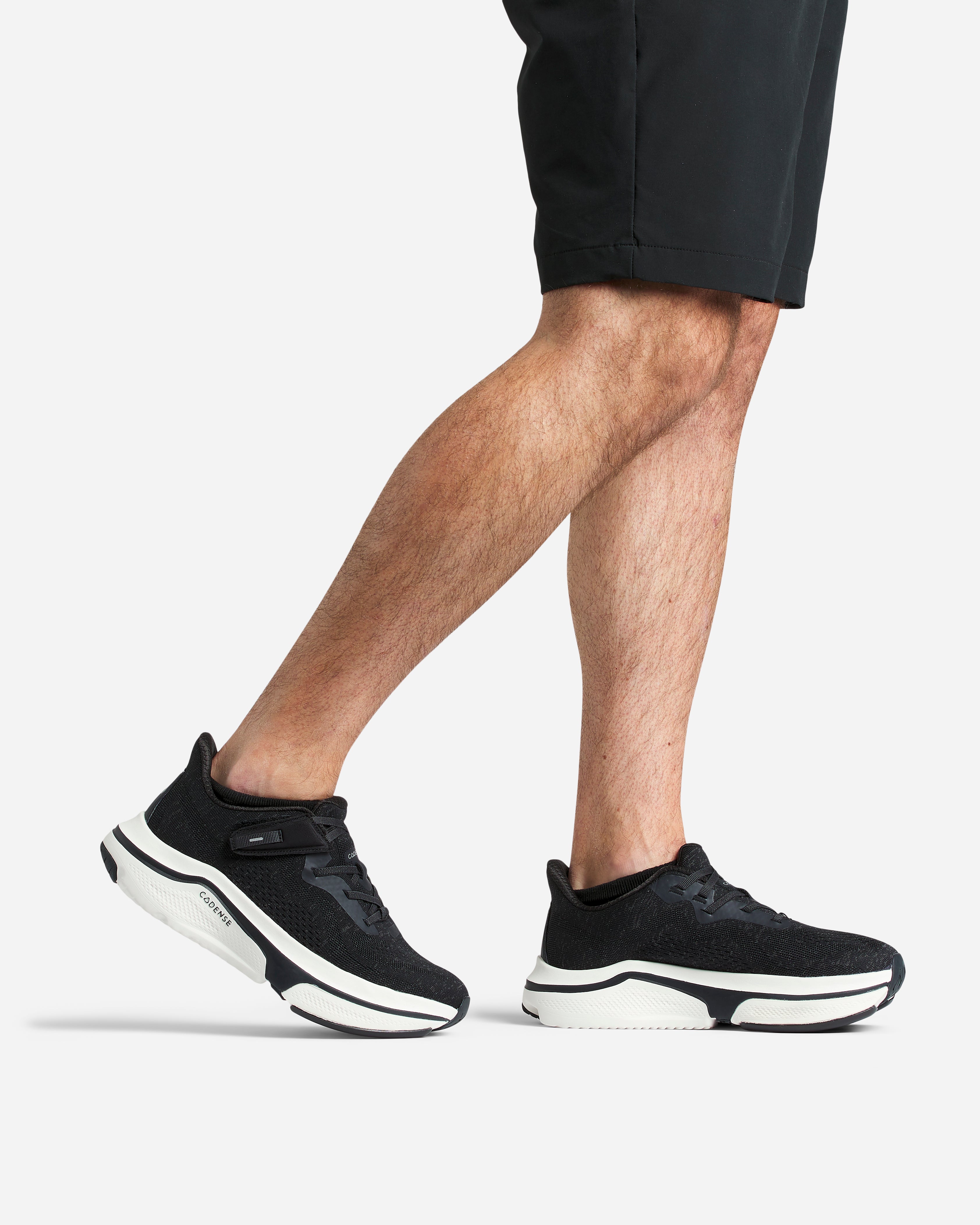
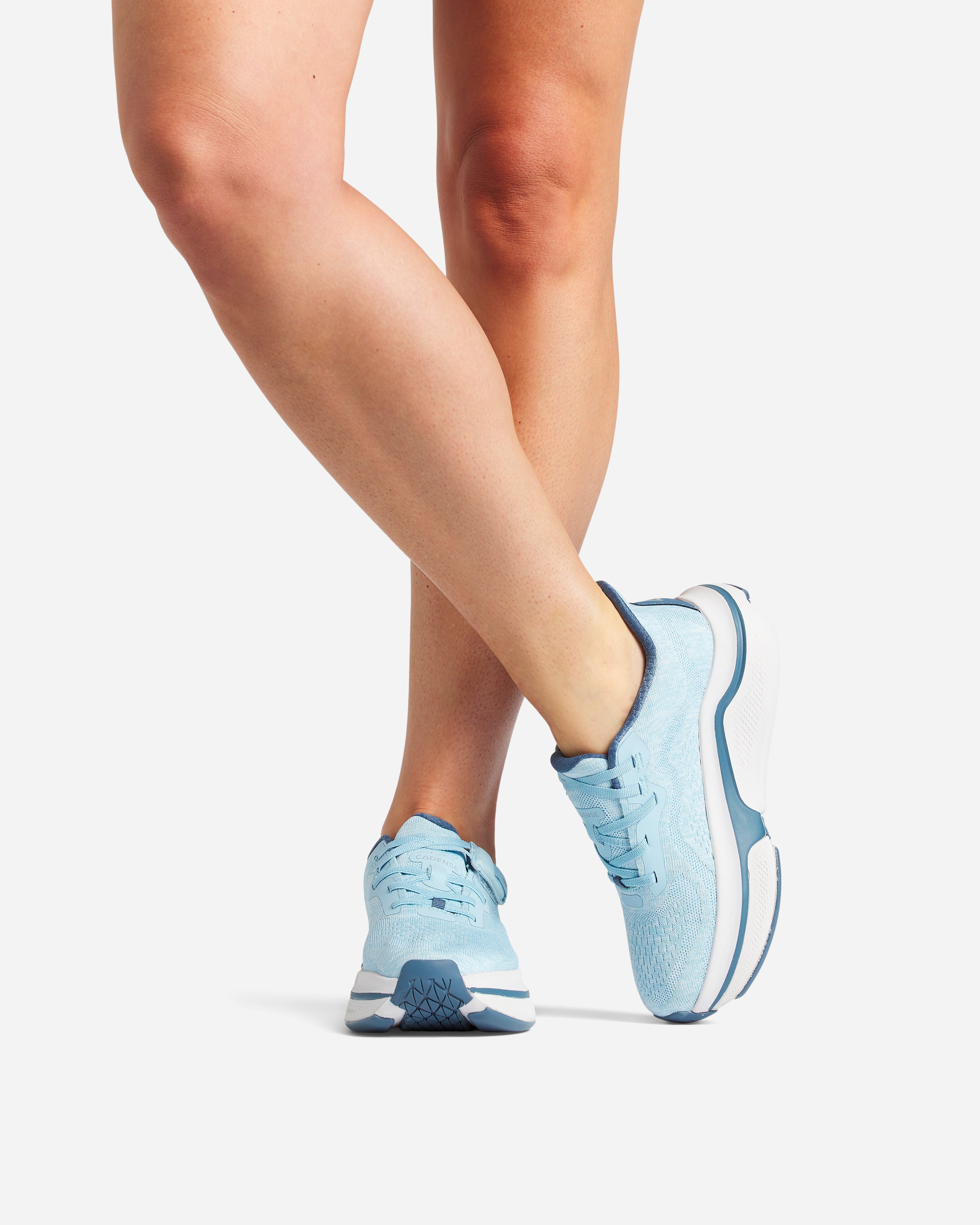
Explore Cadense adaptive trainers for foot drop at cadense.co.uk to find footwear built for comfort, stability, and safer walking every day.