
News
How the Best Trainer for Foot Drop Works With Braces and Orthotics
Foot drop changes the way people walk. Instead of a smooth heel-to-toe motion, the front of the foot may drag or slap the ground, increasing the risk of trips and falls. For many people, braces lik...
Read more
Key Features to Look for in Safe Walking Trainers for Seniors
Walking should feel steady, comfortable, and predictable. For many seniors, though, it doesn't always feel that way. You may notice that your steps feel shorter, your balance feels less reliable, o...
Read more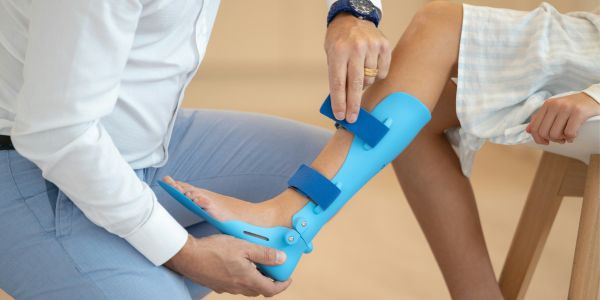
Are There Special Trainers for Drop Foot That Work With Braces and Therapy?
Living with drop foot can make walking a very difficult experience. Lifting the front of the foot may be hard, and you might notice your toes catching on uneven surfaces, fatigue when walking longe...
Read more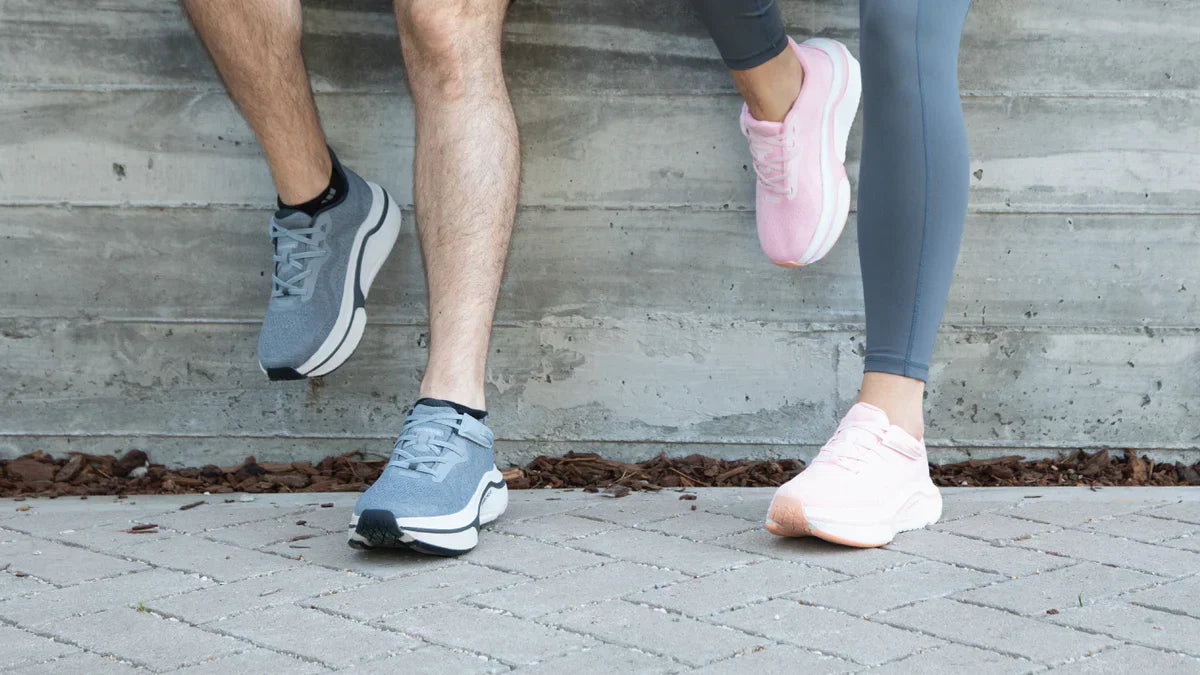
Finding Cadense Trainers for Foot Drop: Tips for Choosing the Right Pair
Foot drop can make walking very hard. You may catch your toes on rugs or uneven surfaces, feel unsteady on stairs, or tire more quickly when walking longer distances. These challenges can limit ind...
Read more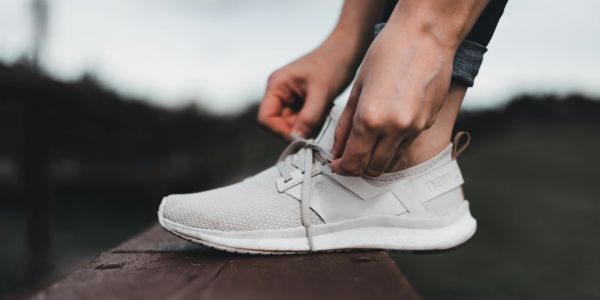
How the Best Trainers for Foot Drop Help Reduce Trips, Slips, and Falls
Living with foot drop can make everyday walking feel uncertain. You may find yourself catching your toes, feeling unsteady on uneven surfaces, or worrying about losing balance when you least expect...
Read more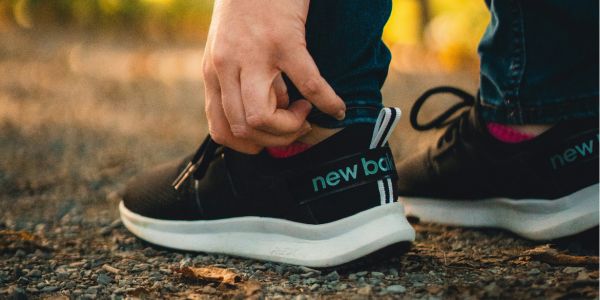
How Trainers That Help Prevent Falls Support Balance and Safer Walking
Maintaining the ability to walk safely is one of the most significant factors in preserving independence as we age or manage mobility challenges. It's not just about getting from point A to point B...
Read more
Why Supportive Trainers Are Essential for Seniors to Stay Steady on Their Feet
For many of us, the "fear of falling" eventually becomes a quiet, persistent background noise in our daily lives. It changes how we navigate the kitchen, which stairs we choose to climb, and how of...
Read more
Key Features to Look for in Trainers to Help Prevent Falls and Trips
Walking is something most of us take for granted until the moment it feels precarious. Whether due to ageing, injury, or neurological conditions, a reduction in balance, strength, or sensation can ...
Read more
Flexible vs Rigid AFO for Foot Drop: Which Option Supports Better Mobility?
TL;DR Foot drop makes lifting the front of your foot difficult, increasing the risk of trips, slips, and falls An ankle-foot orthosis (AFO) helps manage foot drop by supporting the foot and imp...
Read more
How the Best Trainers to Prevent Falls Support Safer Walking at Any Age
If walking feels less steady than it used to, you're not alone. Changes in strength, balance, or sensation can affect people of all ages, not just seniors. Even small changes in the way you walk ca...
Read more